History
Exploring African History Beyond the Textbook
Great Zimbabwe, Lalibela, Timbuktu, Aksum. The sites are not obscure. What is worth knowing is how hard some scholarship worked to explain them away.
- Category History
- Reviewed 28 July 2026
- Sources 4
- Length 2 min read
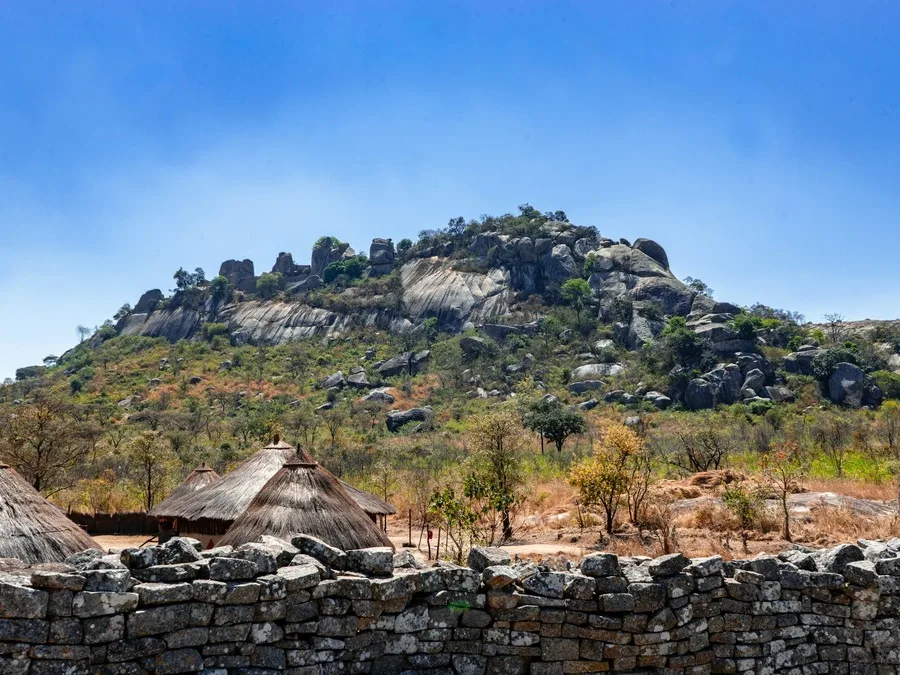
Credit Ajeet Panesar, via Unsplash
There is a version of African history that begins with European arrival and treats everything before it as prologue. It is still the version most travelers were taught, and the sites that contradict it are not hidden, obscure or newly discovered. They are on the UNESCO World Heritage list.
What makes them worth writing about is not only what they are. It is the record of how strenuously they were misattributed.
Great Zimbabwe
A city of dry-stone walls in the southern highlands, built without mortar, some of them more than five meters high. It gave the modern country its name. For decades, colonial-era commentary attributed it to Phoenicians, to Arabs, to almost anyone other than the Shona-speaking people whose ancestors built it, and the Rhodesian government of the twentieth century actively discouraged archaeologists from saying otherwise.
Standing inside the Great Enclosure, the striking thing is not the scale. It is how obviously local the construction is, and therefore how much effort the alternative explanations required.
The historiography is not a footnote to these places. At several of them it is the most interesting thing on the site.
Lalibela
Eleven churches in the Ethiopian highlands, cut downward into solid rock rather than built up from it: roofs at ground level, the buildings excavated below. They are not ruins. They are in continuous liturgical use, which is the part visitors tend not to expect. You are walking through an active place of worship, and should dress and behave accordingly.
Timbuktu and Aksum
Timbuktu’s reputation in English is as a byword for remoteness, which is an accident of idiom and tells you nothing. It was a center of scholarship and manuscript production, and the survival of those manuscripts, through conflict, through smuggling operations to move them to safety, is a continuing story rather than a closed one.
Aksum, in northern Ethiopia, has carved stelae and the remains of a state that minted its own coinage and traded across the Red Sea. Both sites sit in regions that have seen recent conflict; access changes, and anyone planning to visit should check current conditions rather than trusting an article.
How to read a site
Two questions are worth carrying. Who was this attributed to before it was attributed correctly, and who is telling you about it now? Site guides, national museums and international listings frequently emphasize different things, and the gaps between them are usually where the argument lives.