Culture
Nigeria Culture and Etiquette Guide
Nigeria has eight UNESCO-inscribed traditions. One of them is a divination system that the African diaspora carried across the Atlantic and still uses.
- Country Nigeria
- Category Culture
- Reviewed 20 August 2026
- Sources 4
- Length 2 min read
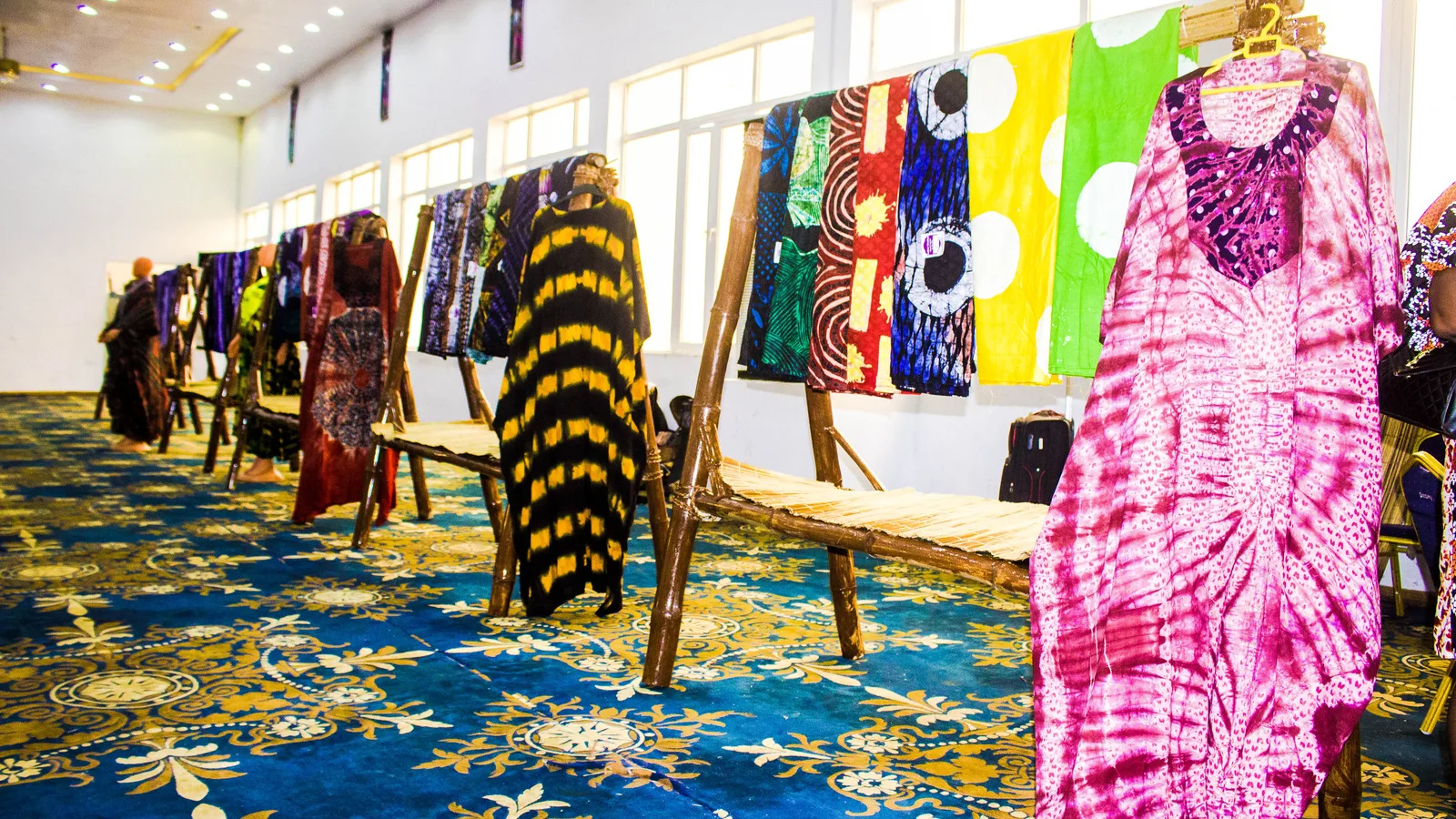
Credit Tunde Akangbe, CC BY-SA 4.0, via Wikimedia Commons
Nigeria has eight elements on UNESCO's Representative List of Intangible Cultural Heritage, and none on the Urgent Safeguarding List. Between them they cover divination, masquerade, theater, a fishing festival, midwifery and a royal procession.
Two of them do particular work in understanding the country and its reach.
Getting the ordinary things right
- Nigeria has hundreds of languages. English is official; Hausa, Yoruba and Igbo are the largest of the rest.
- Greetings matter and are not rushed. Age and seniority are acknowledged in how you greet.
- Dress modestly. The country is religiously diverse and conservative dress is the safer default in most of it.
- Ask before photographing people, and never photograph government buildings, military installations or airports. That can lead to arrest.
- During Ramadan in states that observe it, do not eat, drink, smoke or chew gum in public in daylight, including in cars and taxis.
Sources
- UNESCO: Ifa divination system
- UNESCO: Oral heritage of Gelede
- UNESCO: intangible heritage elements in Nigeria
- UK FCDO: Nigeria safety and security
The eight inscribed elements and the descriptions of Ifa and Gelede are from their UNESCO inscriptions and the Nigeria state page on the intangible heritage register. The photography and Ramadan guidance is from the FCDO safety and security page. All read on 20 August 2026.