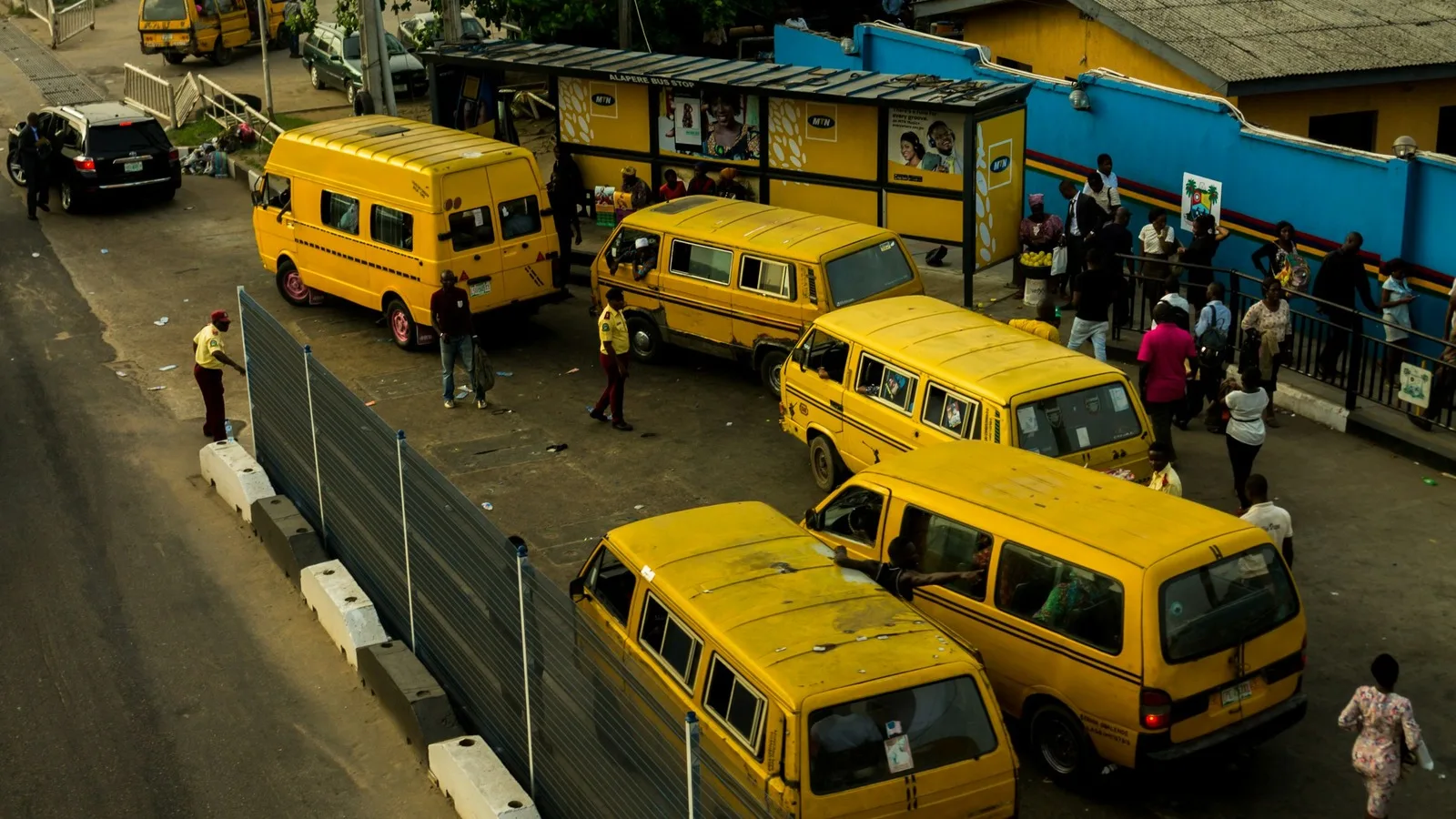
Two World Heritage sites, and only one of them in a state travel advice will let you reach
RegionWest Africa
CountryNigeria
TypeCountry
Reviewed11 August 2026
Sources3
Length5 min read
Credit Dami Akinbode, Unsplash
Why Nigeria
Nigeria ratified the World Heritage Convention in 1974 and has two properties inscribed under it, both cultural. That number is a record of what has been nominated and accepted, not a measure of what is there.
The two are as unalike as two sites in one country can be. One is a forest on the edge of a city in the south west, still in daily religious use. The other is a terraced hill settlement on the Cameroon border in the north east, built by people who smelted their own iron.
The Osun sacred grove
A century ago every Yoruba town had a sacred grove. Most have been abandoned or have shrunk to almost nothing. Osun-Osogbo, on the edge of Osogbo, the capital of Osun State, about 250 kilometers from Lagos, is the largest to survive and is still revered.
The forest is among the last remnants of primary high forest in southern Nigeria, and the river Osun runs through it, the spiritual home of the goddess of fertility who gives the town its name. Inside are forty shrines, two palaces, five sacred places and nine worship points along the banks. It is also a working pharmacy: over 400 plant species grow there, more than 200 of them with known medicinal use.
Sukur
Sukur is a hilltop settlement in Madagali, in Adamawa state, on the border with Cameroon, about 290 kilometers from Yola. It stands at 1,045 meters and covers a little under 2,000 hectares, and its recorded history of iron smelting, trade and political institutions goes back to the sixteenth century.
The landscape is the monument: terraced farmland, dry stone structures and paved walkways, with the palace of the Hidi, the political and spiritual head of the community, on the hill above the villages. UNESCO notes two things about the terraces that are not found elsewhere, the paved tracks running through them and their spiritual content, including sacred trees. The disused shaft furnaces still stand near the houses of the people who owned them, because iron here was a matter of social relationships as much as of metal.
Food
Jollof rice is cooked in tomato and pepper until the grains take the color, and the argument about who makes it best is a regional sport with Ghana and Senegal. Egusi, ground melon seed thickened with leafy greens and meat or fish, is eaten with a swallow: pounded yam, eba or fufu, taken by hand. Suya is thin beef rubbed with a groundnut and chilli spice mix and grilled over wood at the roadside after dark.
Practical orientation
English is the official language and Hausa, Yoruba and Igbo are the largest of the many others; Nigerian Pidgin does a great deal of the everyday work. The currency is the naira. Distances are large and domestic flights do most of the long-haul work.
Entry requirements vary by nationality and change. The Nigeria Immigration Service is the authority on them, your own government is the authority on security guidance, and this page is neither.
These are the authoritative references for the heritage this page discusses; each was checked at source on 11 August 2026. Practical details (entry rules, health guidance, opening times) change constantly. The bodies listed here are authoritative and this page is not.