Ghana Packing List
- Country Ghana
- Guide Packing
- Reviewed 16 August 2026
- Length 1 min read
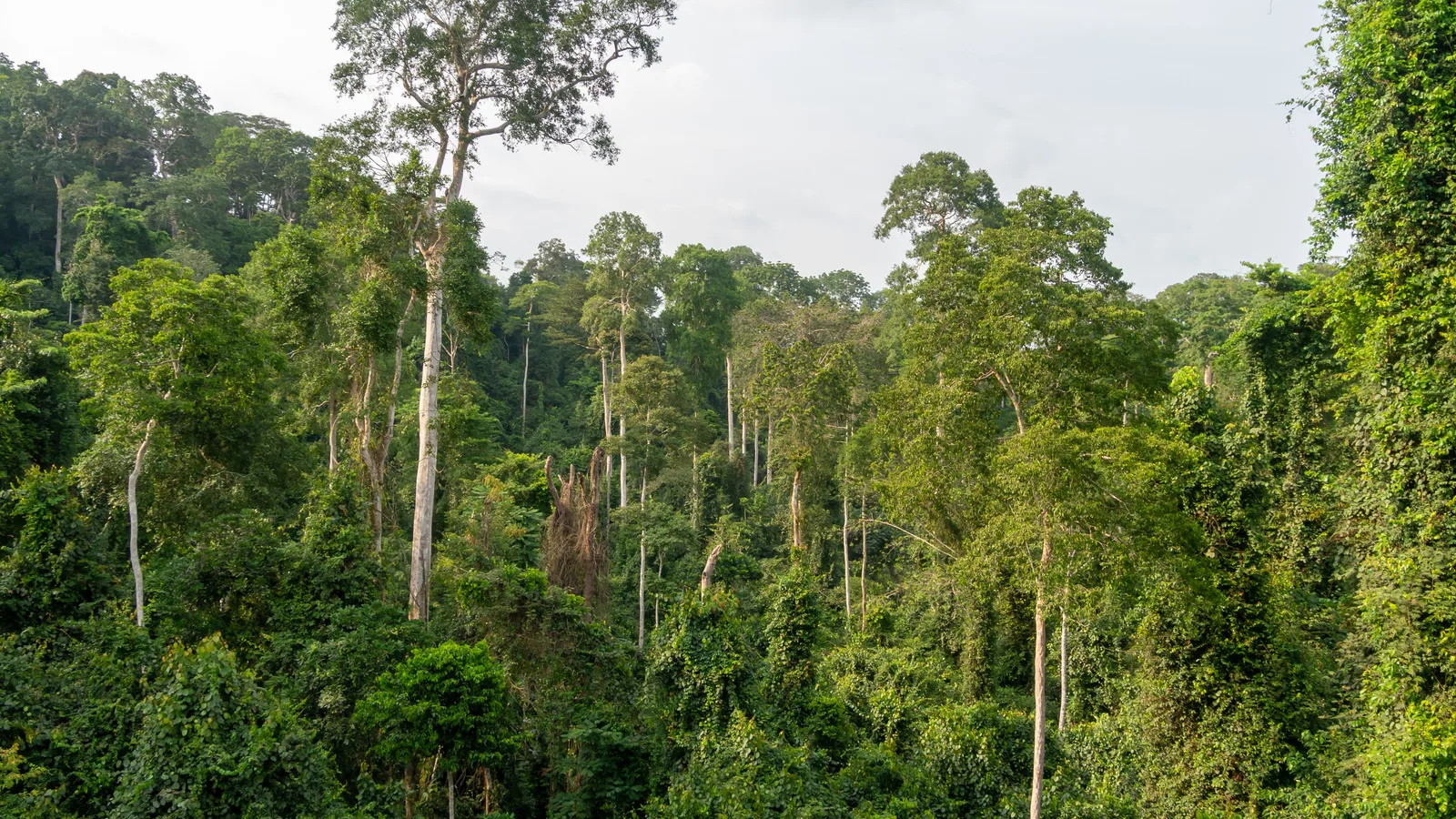
Credit Matti Blume, CC BY-SA 4.0, via Wikimedia Commons
Last reviewed 16 August 2026
Ghana asks for less than most packing lists suggest and more than most travelers expect in two specific areas: sun and humidity in the south, and dust in the dry season. Almost everything else can be bought in Accra.
Clothing
Ghanaians dress well and notice. Beachwear belongs on a beach, and a little care with what you wear reads as respect in exactly the places you most want it to.
- Loose cotton and linen rather than synthetics, which are unpleasant in humidity
- Long sleeves and long trousers for evenings, which help against mosquitoes
- Something that covers shoulders and knees for heritage sites, churches and mosques
- A light rain layer if you are traveling in either wet season
- Closed shoes you can walk broken pavement in, and sandals for everything else
- A hat with a brim, and a scarf that doubles as dust protection in harmattan
Health and toiletries
- Malaria prophylaxis as prescribed, in its original packaging
- Insect repellent containing DEET or picaridin, plus a plug in or a net if you are unsure of rooms
- High factor sunscreen, which is expensive and less available than you would like
- Rehydration salts, which weigh nothing and matter on a bad day
- Any prescription medicine in its labeled box, with a copy of the prescription
- A small first aid kit including blister plasters
Documents
- Passport valid six months beyond arrival, plus a photocopy kept separately
- Your yellow fever certificate, which is a condition of entry and not optional
- Printed visa confirmation and accommodation details, in case a phone is not to hand
- Travel insurance documents including the medical evacuation cover
- Some cash in a hard currency, in clean and undamaged notes
Electronics
- A UK style three pin plug adapter, which is the standard fitted in Ghana
- A power bank, because outages are normal rather than exceptional
- An unlocked phone if you intend to buy a local SIM
- A camera you are willing to ask permission with
What to leave at home
Leave the drone unless you have written permission arranged in advance, because flying one without it causes real trouble at exactly the sites you would want to film. Leave military pattern camouflage clothing, which is restricted in a number of West African countries and attracts attention nobody enjoys.
Leave anything you would be distraught to lose, leave the bulk of your jewelry, and leave the assumption that you will need to bring toiletries for the whole trip. Accra and Kumasi have supermarkets and pharmacies. Sunscreen and specific prescription medicines are the exceptions worth carrying in.