Travel Planning
Best Time to Visit Ghana
Ghana has two wet seasons in the south, one in the north and a dust laden harmattan between them. A month by month reading of when to go.
- Country Ghana
- Category Travel Planning
- Reviewed 16 August 2026
- Sources 4
- Length 2 min read
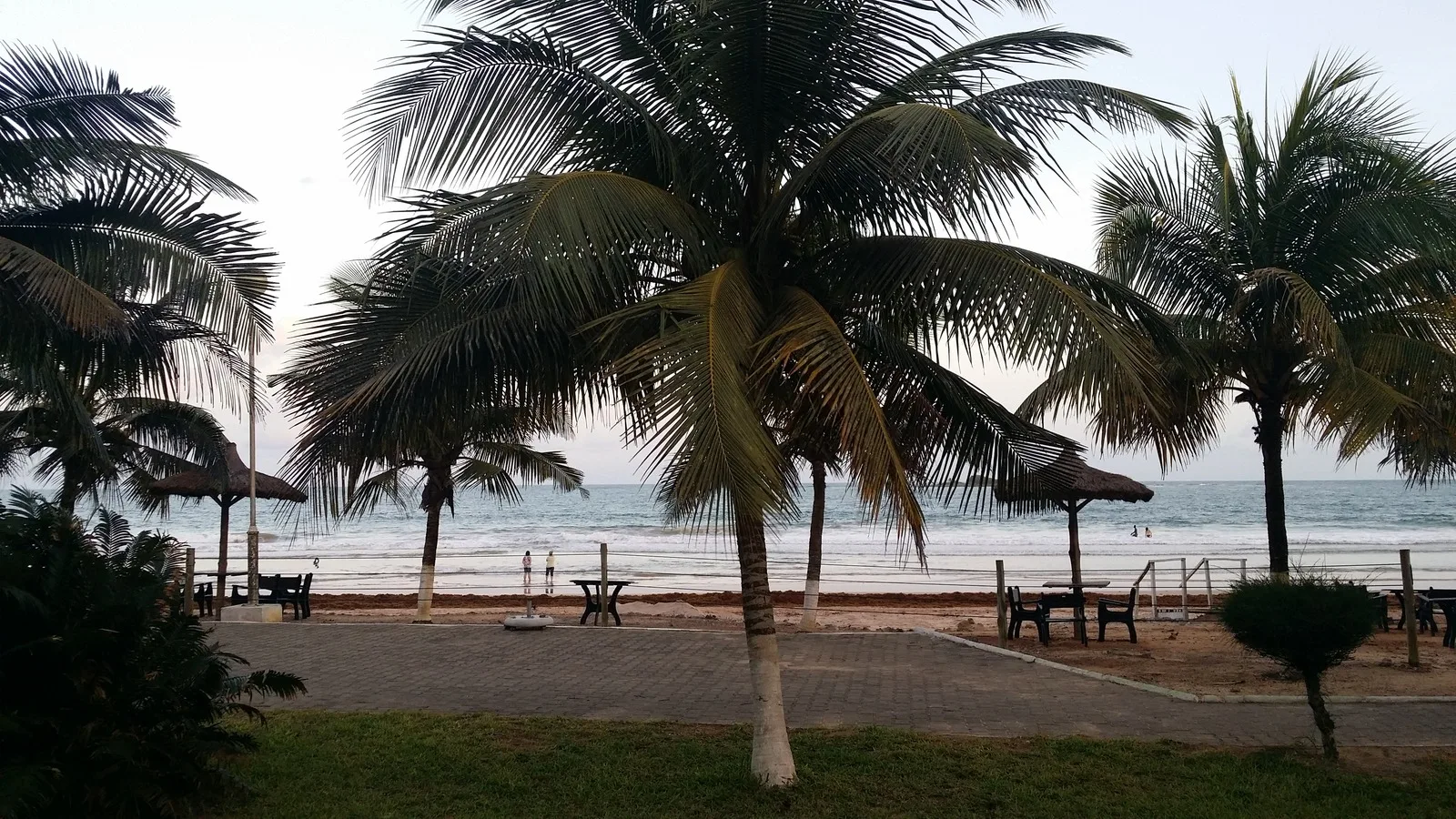
Credit Tom Lubbe, CC BY-SA 3.0, via Wikimedia Commons
There is no closed season in Ghana. There are seasons that suit different trips, and one weather phenomenon that surprises visitors more than any amount of rain does.
Season by season
The south, which is where the coastal castles, Accra and Kumasi are, has two rainy seasons. The major rains run through roughly April to July and the minor rains return for a shorter spell around September and October. Between and after them the weather is dry and hot.
The north has a single rainy season instead, broadly May to September, and a longer and more emphatic dry season on either side of it. The practical consequence is that the country does not have one weather report. A week that is wet in Cape Coast can be dry in Tamale.
Then there is the harmattan, which runs from about December into February and is the thing nobody warns you about. A dry wind carries Saharan dust south across the country, the temperature drops at night, the humidity falls away and the light turns flat and yellow. It is a relief after the humidity and it is hard on eyes, throats and photographs.
Month by month
Rain in Ghana usually means a heavy fall for part of the day rather than gray drizzle all of it. It rearranges a day. It rarely cancels one.
- December to February: dry, cooler nights, harmattan haze, the most popular window
- March: hot and increasingly humid before the rains arrive, and quieter for it
- April to July: the major rains in the south, greenest landscapes, heavy afternoon downpours
- August: a relative lull in the south between the two wet seasons, and busy with festivals
- September to October: the minor rains, shorter and less disruptive than the major ones
- November: the rains ease, the dust has not yet arrived, and this is arguably the sweet spot
Events worth planning around
If a festival matters to you, build the trip around it rather than hoping. Aboakyer falls on the first Saturday in May at Winneba. Homowo, the Ga festival that hoots at hunger, falls in the second half of the year in and around Accra. Akwasidae is observed at the Manhyia Palace in Kumasi every six weeks on a Sunday, which makes it the one major Asante occasion a short visit can usually catch.
Two coastal considerations. The castles are busiest around the emancipation commemorations and the diaspora travel season around the turn of the year, and busy changes the experience of those particular sites considerably. Book accommodation in Cape Coast early for those periods.
When to avoid
Avoid the peak of the major rains if your route depends on unpaved roads in the north or on tight connections, because that is when a road becomes a negotiation. Avoid the height of harmattan if you have asthma or another respiratory condition, or plan around it with medication.
And be wary of the last ten days of December on the coast if you want quiet. It is a wonderful time to be in Ghana and it is not a restful one.
Sources
- Ghana Meteorological Agency: forecasts and seasonal outlooks
- Ghana Tourism Authority: the current events calendar
- Ghana Tourism Authority: the Aboakyer festival at Winneba
- UK FCDO: Ghana travel advice
Seasonal patterns described here are general. For an actual forecast, or the seasonal outlook in a given year, the Ghana Meteorological Agency is the national authority.