Uganda Visa and Entry Requirements
- Country Uganda
- Guide Visa and Entry
- Reviewed 18 August 2026
- Length 3 min read
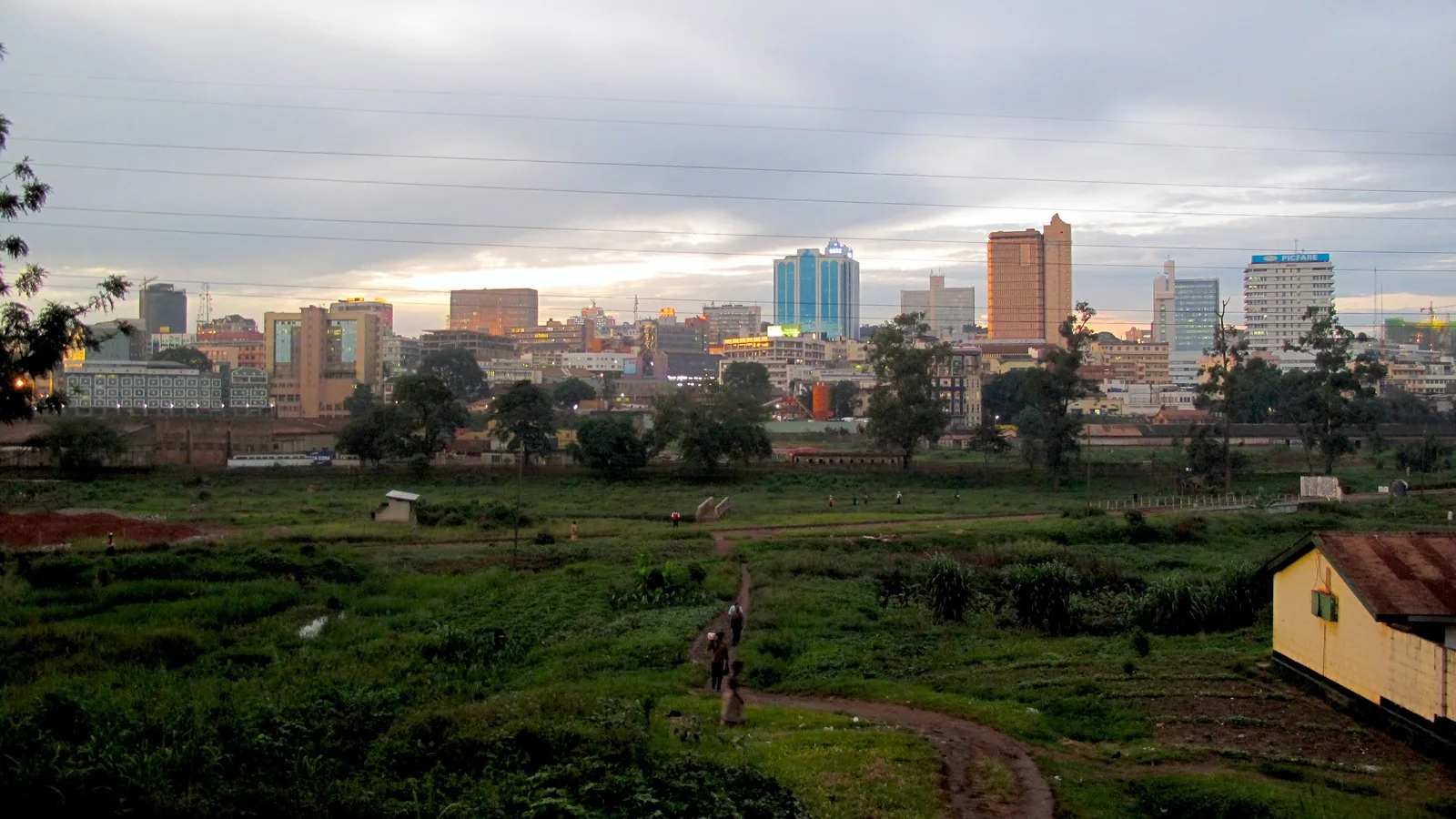
Credit Todd Huffman, CC BY 2.0, via Wikimedia Commons
Last reviewed 18 August 2026
Uganda asks for more paperwork in advance than its neighbors and less improvisation at the border. Almost everything that goes wrong here goes wrong before departure.
The visa must be arranged before you fly
You need a visa to enter Uganda and you apply for it online. There is no equivalent of the free visa on arrival that Rwanda extends to Commonwealth citizens, even though Uganda is also a Commonwealth country.
You attach the required documents to the application. The immigration authorities then email you a letter of authorization carrying a barcode, and you must print it and present it on arrival. Border officials issue the actual visa against that letter. You can also take the letter to a Ugandan embassy and have the visa issued there instead.
The failure mode is obvious once stated and catches people every year: a letter sitting unprinted in an inbox, on a phone with a flat battery, at an immigration desk.
The East African Tourist Visa, if your trip is not only Uganda
There is a regional alternative worth knowing about. The East African Tourist Visa costs 100 US dollars, is applied for online, and allows multiple entries into Kenya, Rwanda and Uganda over 90 days.
For anyone combining gorillas in Uganda or Rwanda with the Kenyan coast or the Rift, it is usually both cheaper and simpler than three separate visas, and it removes the question of what happens when you cross a border and come back.
Yellow fever is not conditional here
To enter Uganda you must have a certificate proving yellow fever vaccination. This is not the common arrangement where a certificate is required only if you are arriving from a country with transmission risk, which is how Rwanda handles it. Uganda requires it of everyone.
You may be asked to submit the certificate with the visa application, and you must bring the physical certificate and be able to present it at immigration. A photograph of it is not the document.
Your passport must have an expiry date at least six months after the date you arrive.
The border that is closed, and the screening that is not
In response to an Ebola outbreak, the Ugandan National Task Force announced a closure of the border with the Democratic Republic of the Congo, with limited exceptions for authorized response, humanitarian and security personnel.
Rwanda responded to the same regional outbreak differently, by denying entry to anyone who has been in the DRC in the previous 30 days. Either way, an itinerary that crosses between Uganda and the DRC does not currently work, and one that crosses between Uganda and Rwanda needs checking against both sets of rules.
Expect health screening: passenger locator forms on arrival and departure, and temperature checks including at airports. Some countries apply heightened screening to travelers arriving from Uganda, so check the rules of wherever you go next.
At Entebbe
One small rule that surprises people meeting family or being met: at Entebbe International Airport only passengers holding tickets are allowed inside the terminal building. Anyone coming to meet you waits outside. Agree where, before you land, rather than by phone in an arrivals hall you cannot both stand in.
Before you fly
- Visa applied for online, and the letter of authorization PRINTED
- Whether the East African Tourist Visa fits your route better than a single visa
- A yellow fever certificate, the physical one, for everyone traveling
- Passport valid at least six months from your arrival date
- Confirmation that nothing in your itinerary crosses the DRC border
- An agreed meeting point OUTSIDE the Entebbe terminal building