Travel Planning
Best Time to Visit Botswana
The flood that makes the Okavango worth seeing arrives in the middle of the dry season, which inverts everything you know about African seasons.
- Country Botswana
- Category Travel Planning
- Reviewed 18 August 2026
- Sources 4
- Length 2 min read
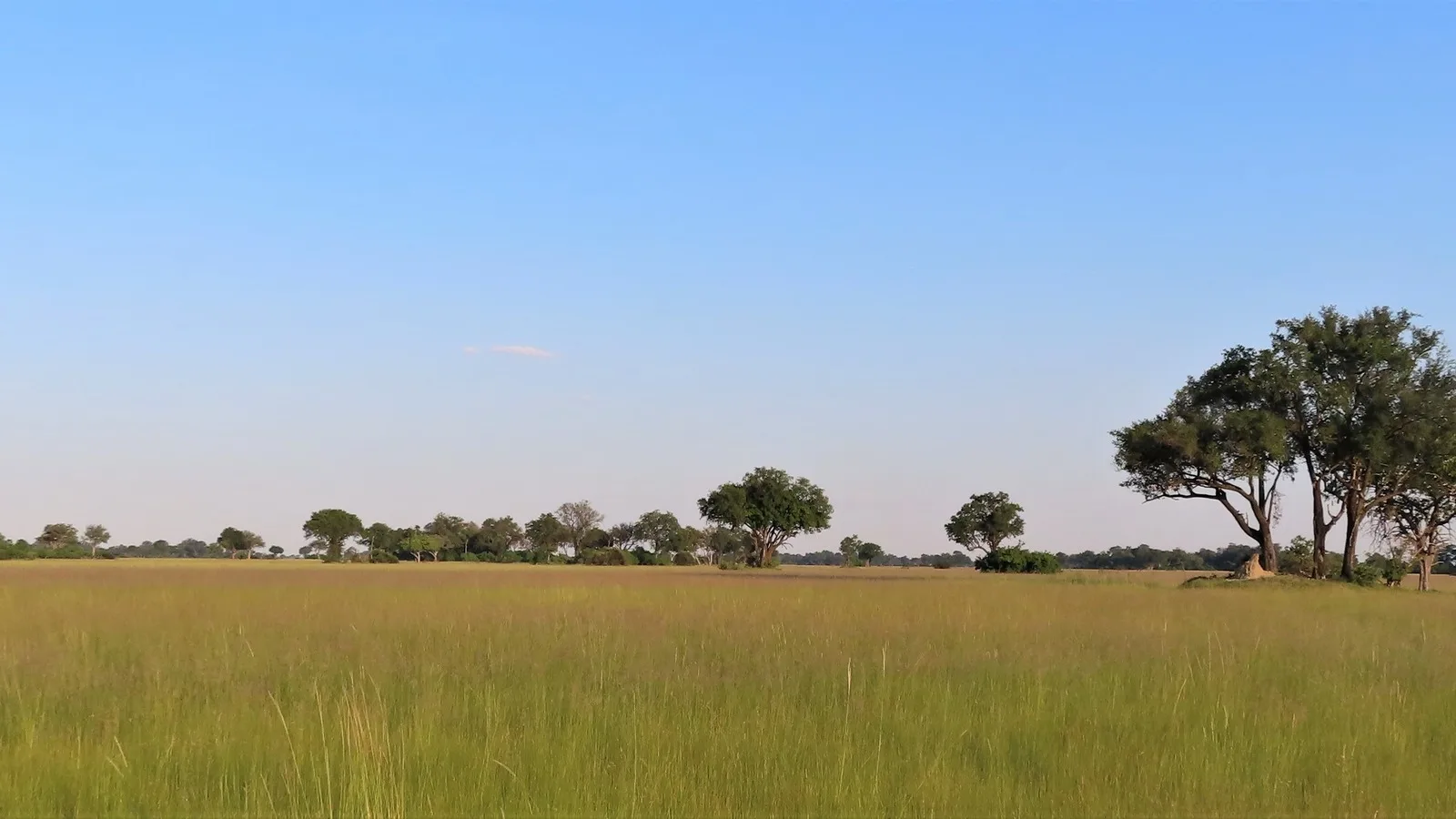
Credit Cosal, CC BY-SA 4.0, via Wikimedia Commons
Almost everywhere in southern Africa, water arrives with rain. In Botswana it does not, and once you understand why, the whole calendar for this country falls into place.
The flood comes from another country
The Okavango River rises in the Angolan highlands, more than a thousand kilometers away, and takes months to travel down and spread across the sand. UNESCO’s inscription puts the consequence plainly: the annual flooding occurs during the dry season, and the delta’s plants and animals have synchronized their biological cycles to it.
So the delta is at its fullest around June and July, when Botswana itself has had no rain for months and the surrounding Kalahari is at its driest. The water in the pictures is Angolan rain that fell last summer.
The dry season, June to October
This is the classic window and it earns the reputation. The delta is in flood, mokoro channels are navigable, and away from the water the country is drying hard, so animals concentrate at whatever is left. Game viewing improves through those months and peaks at the end of them.
The trade is the temperature. June and July nights get close to freezing and a dawn game drive in an open vehicle is genuinely cold. By October the days are punishing in the other direction.
The green season, November to March
The rains arrive, the Kalahari turns green, the migrant birds come and the zebra move. Animals disperse because water is everywhere, so game viewing is harder and the reward is a country most visitors never see: newborn animals, thunderstorms across the pans and almost nobody else there.
Rates fall accordingly, and some camps close. The constraint is the road: heavy rain brings flash flooding and road conditions across the country can become unsafe, which affects transfers and can affect border crossings.
The pans have their own calendar
Makgadikgadi runs opposite to the delta. In the dry months the pans are a bare white crust, which is the landscape people photograph and the season for quad bikes and walking out onto them. After the rains they hold water, the flamingos breed and the zebra migration crosses.
You cannot see both versions on one trip. Decide which one you came for.
Choosing a month
- June to August for the delta in flood, at its coldest before dawn
- August to October for the strongest game viewing, and the hottest afternoons
- November to March for green landscape, newborn animals and low prices
- The dry months for a white salt pan, the wet months for flamingos and zebra
- Ask whether a camp is open in the month you want before you build a route
- Expect to fly at least one leg whatever the season
Sources
- UNESCO World Heritage Centre: the Okavango Delta, inscription 1432
- UNESCO World Heritage Centre: Botswana, its inscribed properties and its Tentative List
- UK FCDO: Botswana safety and security
- Botswana Tourism Organisation: the national tourism authority
Flood timing is a natural event rather than a schedule and varies year to year.