Heritage
Brandberg: Visitor and Heritage Guide
Namibia’s highest mountain holds one of the densest bodies of rock art in the world, and its most famous figure was misnamed twice.
- Country Namibia
- Category Heritage
- Reviewed 18 August 2026
- Sources 3
- Length 2 min read
Credit Pavel Spindler, CC BY 3.0, via Wikimedia Commons
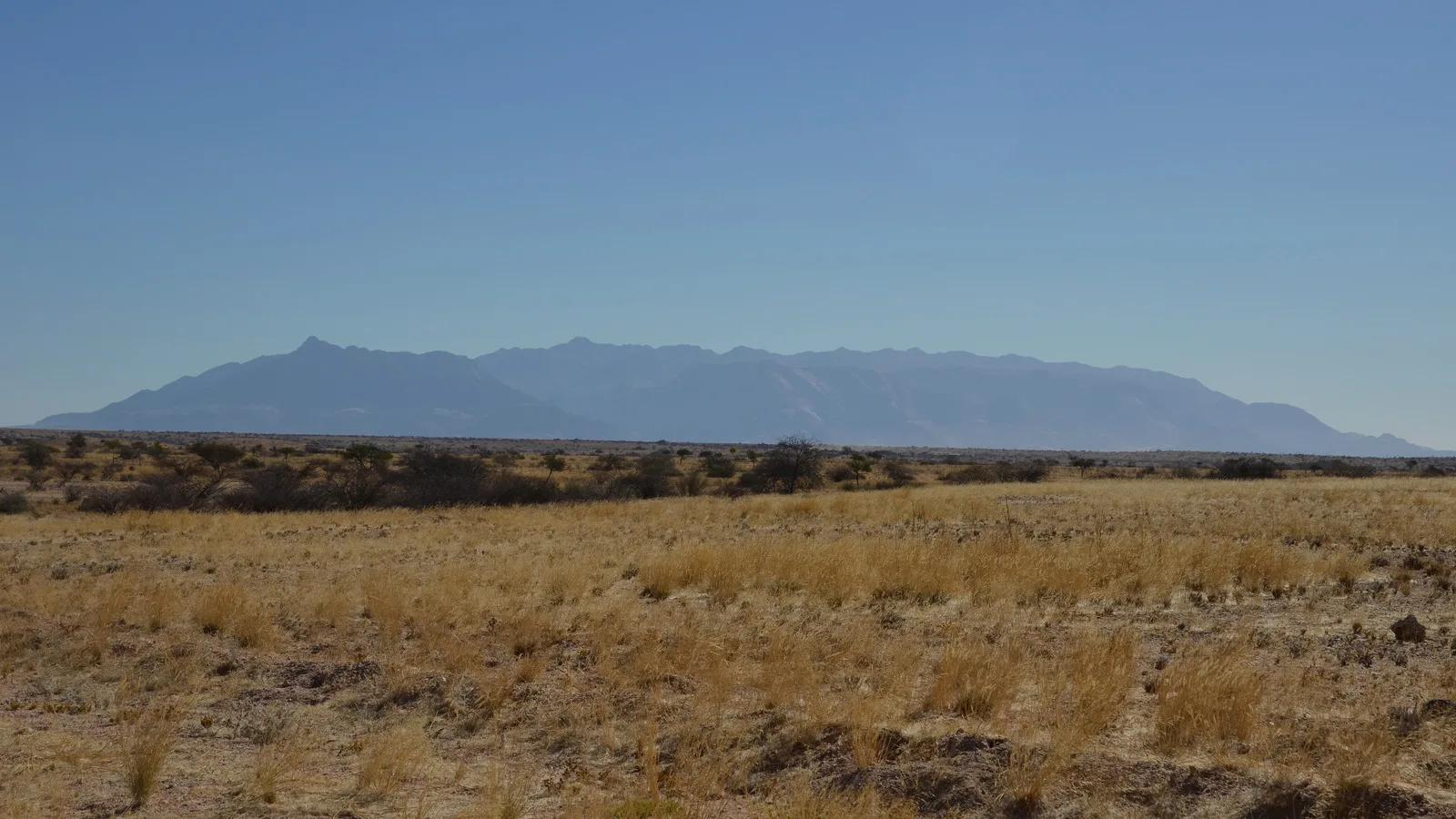
Brandberg rises out of the Damaraland plain as a single granite mass, visible from a very long way off, and it is the highest point in Namibia. It is also a gallery, and the most famous painting in it has been misunderstood for most of the time Europeans have known about it.
Its status, stated precisely
The Brandberg National Monument Area has been on Namibia’s Tentative List for World Heritage since 2002. It is not inscribed. Namibia’s two inscribed properties are Twyfelfontein, in 2007, and the Namib Sand Sea, in 2013.
The Fish River Canyon and the Welwitschia Plains joined the Tentative List in the same year and are also frequently and wrongly described as World Heritage Sites. A Tentative List entry is a state saying it intends to nominate, which is an earlier and much weaker status.
The White Lady, who is neither
The best known painting on the mountain is in the Maack Shelter in the Tsisab ravine and is universally called the White Lady. The name comes from Abbé Henri Breuil, who interpreted the figure in the mid twentieth century as a European or Mediterranean woman, and read Mediterranean influence into southern African art on that basis.
The interpretation is rejected by specialists today. The figure is generally understood as male, and as a local subject painted by local people, most likely a figure connected to San ritual practice. The name has stuck to a reading that has not.
It is worth knowing before you walk up, because the story of the painting is also a story about who gets believed about African art.
Visiting
The walk to the Maack Shelter takes a couple of hours there and back over rock and loose ground in a ravine that is extremely hot for most of the day. Guides are required. Go early, carry considerably more water than feels necessary, and wear shoes with grip.
The White Lady is one panel among thousands. Estimates of the number of paintings on the massif run into the tens of thousands across many shelters, most of which are not on any visitor route.
And the name
Brandberg means burnt mountain in Afrikaans, for the color the granite turns in late light. The Damara name is Daureb and the Herero name is Omukuruvaro. As at Twyfelfontein, the name most maps carry is the most recent one.
Visiting Brandberg
- On the Tentative List since 2002, and not inscribed
- The White Lady is neither white nor a lady, and the name records a rejected reading
- A guide is required and the walk is a couple of hours over hot rock
- Carry much more water than you expect to need, and wear shoes with grip
- Start early, because the ravine holds heat
Sources
- UNESCO World Heritage Centre: Namibia, its inscribed properties and its Tentative List
- Namibia Ministry of Environment, Forestry and Tourism
- Visit Namibia: the national tourism site
The Tentative List status and dates were read from the World Heritage Centre’s record of Namibia’s submissions.