Heritage
Namibia and Diaspora Reconnection
The first genocide of the twentieth century happened in Namibia, and more than a century later the question of what is owed is still open.
- Country Namibia
- Category Heritage
- Reviewed 18 August 2026
- Sources 3
- Length 3 min read
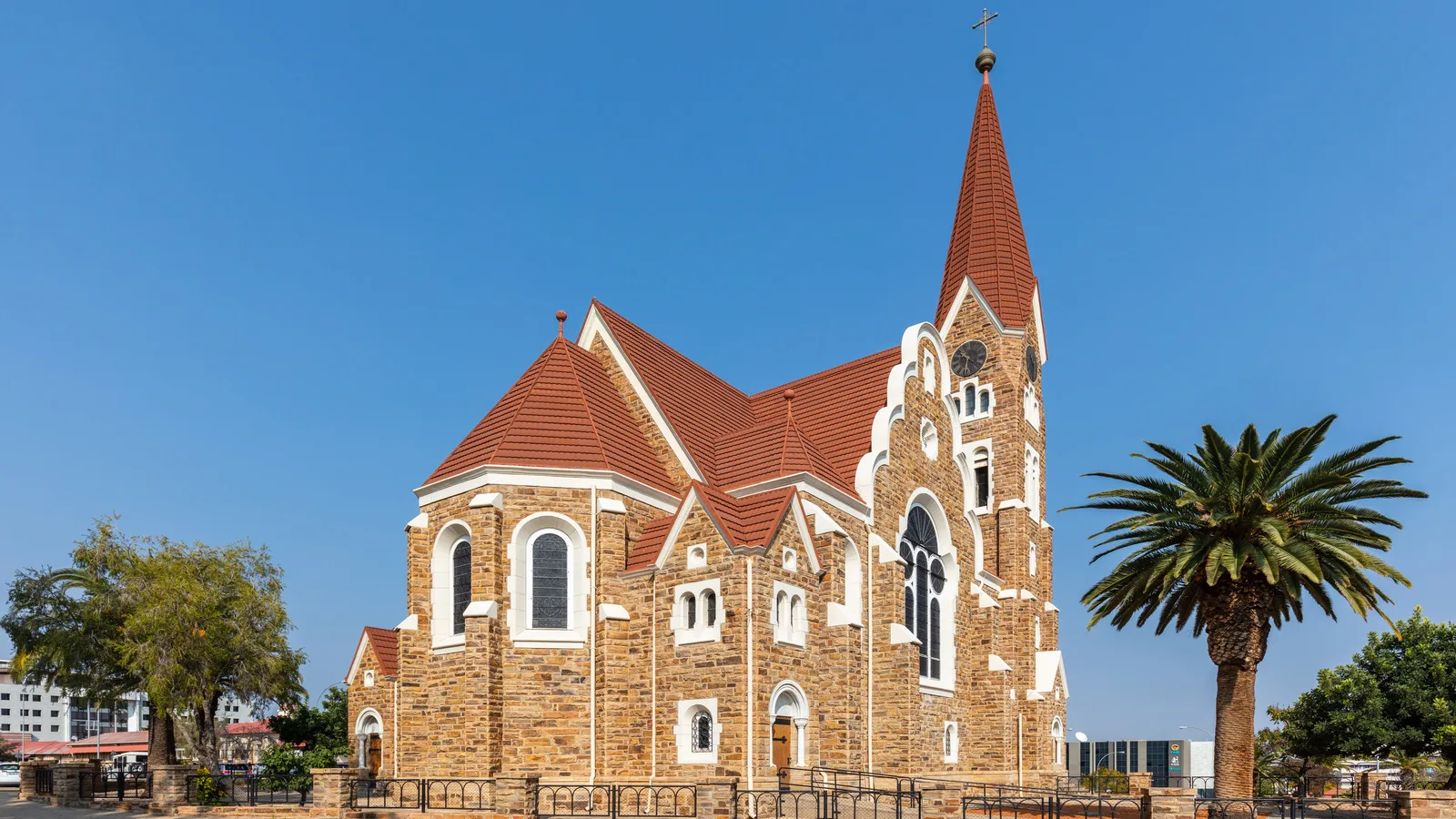
Credit Diego Delso, CC BY-SA 4.0, via Wikimedia Commons
This is the hardest page in this cluster to write and the most necessary. Namibia’s defining historical subject is not a trade route or a kingdom. It is an extermination campaign, it is widely described as the first genocide of the twentieth century, and it is not a settled matter of history.
What happened
Between 1904 and 1908, German colonial forces in what was then German South West Africa waged war on the Herero and the Nama. The campaign included an extermination order, the driving of people into the Omaheke desert, and concentration camps at Swakopmund, Lüderitz and elsewhere. A very large proportion of both peoples died.
Property was expropriated, communities were broken and land was transferred. The distribution of land and cattle in Namibia today still carries the shape of it, which is the reason this is a present tense subject rather than a historical one.
Why it is not settled
Germany has acknowledged the events as genocide and has negotiated with the Namibian state over reparations and development funding. Descendant communities, including Herero and Nama traditional authorities, have contested both the process and the outcome, arguing that an agreement negotiated between two governments cannot settle a claim that belongs to the descendants of the people it was done to.
This publication reports that the dispute exists and is live. It does not adjudicate it. Anyone writing that the matter is closed is taking a side.
Where you encounter it
Not, mostly, at a memorial. Namibia’s colonial architecture is its most visible archive: the Christuskirche in Windhoek, the German quarter of Swakopmund, the buildings at Lüderitz. They are photographed as charming, and they were built in the years this history was made.
There is a genocide memorial in Windhoek and an Independence Memorial Museum. There are graves at Swakopmund. Herero Day at Okahandja each August is the commemoration the community holds for itself.
Herero dress, the long Victorian style gown and the horn shaped headdress worn by Herero women, is often photographed as folklore by visitors. It is an adaptation of the clothing of the missionaries and settlers of that period, worn deliberately. Knowing that changes what the photograph means, and it is a reason to ask before taking one.
What this page will not do
It will not suggest that a DNA test points at a Namibian village. It will not offer the genocide as an itinerary item. It will not describe Herero or Himba communities as a cultural experience to be booked, and it will not tell you that a settlement has closed the question.
What it will say is that arriving informed, and being willing to be told about this by the people whose history it is, is worth more than any tour.
Approaching it honestly
- Read about the 1904 to 1908 genocide before you arrive
- Understand the reparations question as live and contested, not closed
- Look at colonial architecture as an archive rather than as charm
- Treat Herero Day as a commemoration you may attend, not an event you have booked
- Ask before photographing anyone, and understand what Herero dress is before you do
Sources
- UNESCO World Heritage Centre: Namibia, its inscribed properties and its Tentative List
- Visit Namibia: the national tourism site
- UK FCDO: Namibia travel advice
This page reports that the reparations question is contested and does not resolve it.