Heritage
Gedi: Visitor and Heritage Guide
A Swahili city of the tenth to seventeenth centuries, abandoned and swallowed by forest. Inscribed only in 2024, and still barely visited.
- Country Kenya
- Category Heritage
- Reviewed 16 August 2026
- Sources 3
- Length 2 min read
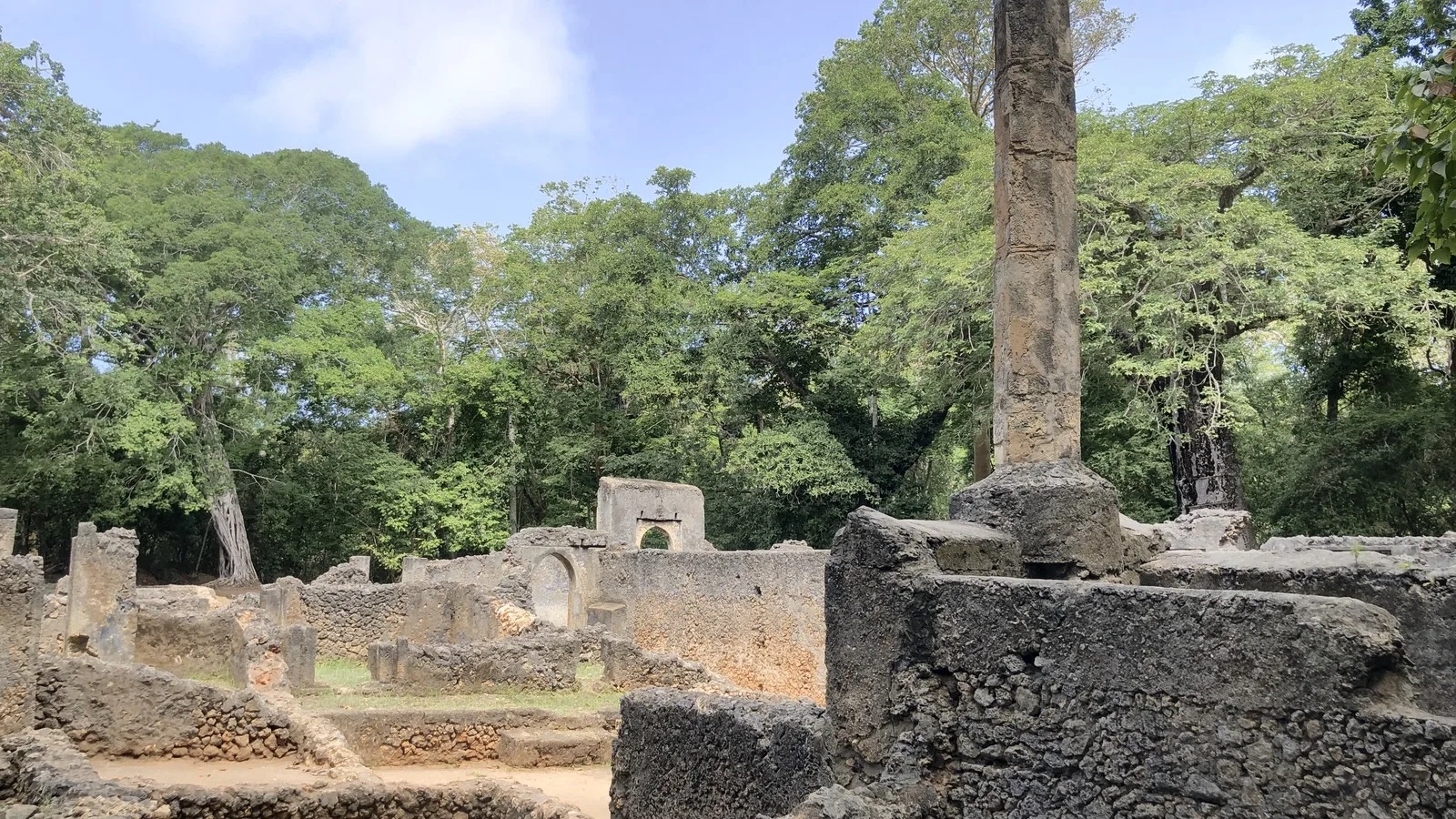
Credit LutzBruno, CC BY-SA 4.0, via Wikimedia Commons
Gedi is a walled town in a coastal forest near Watamu, roofless and quiet, that almost nobody outside Kenya had heard of until UNESCO inscribed it in 2024. It is the best thing on this coast that is not yet crowded.
History
UNESCO describes Gedi as one of the most important and densely populated Swahili cities on the East African coast between the tenth and seventeenth centuries, and particularly between the fifteenth and seventeenth. It sat within a network of trade and cultural exchange crossing the Indian Ocean, linking African coastal and inland centers with ports around the Arabian Sea and Southern Asia.
Then it was abandoned. Why is not settled, and the honest answer is that scholarship has proposed several explanations and confirmed none of them. What is certain is the consequence: because Gedi was left, its ruins demonstrate Swahili architecture and town planning more clearly than a town that kept being rebuilt ever could.
Because Gedi was abandoned, its surviving ruins strongly demonstrate the characteristics of Swahili architecture and town planning.UNESCO World Heritage Centre, on the Historic Town and Archaeological Site of Gedi
What you will see
The town is defined by two rings of irregularly running walls, and inside them the plan survives: streets, houses, tombs, a palace complex and the Grand Mosque. The building material is coral rag with coral and earth mortar and wood, which is the same technology that built Lamu and Mombasa.
The detail most visitors remember is the water. Gedi had a sophisticated water management system, and the wells and drains are still legible. The other is the forest: the site sits inside a remnant of coastal forest that has grown through and over the town, and the trees are part of the experience rather than a backdrop to it.
Getting there
Gedi is inland from Watamu on the Kenyan coast, an easy drive from Watamu or Malindi and a longer one from Mombasa. Most visitors come as a half day from a coastal hotel, and it combines naturally with the beach it sits behind.
It is administered by the National Museums of Kenya, which has a site museum. Take a guide: the plan of a ruined town is hard to read alone, and the guides here are genuinely good on what is known and honest about what is not. Bring water, repellent and closed shoes; the paths are sand and root.
Visiting respectfully
- This is an archaeological site and a burial ground: do not climb on walls or tombs
- Nothing is to be picked up, moved or taken away, including potsherds and coral fragments
- Parts of the surrounding forest are sacred to local communities, so stay on the paths
- Ask before photographing staff, guides or anyone at prayer
- Go early or late: the forest is humid and the middle of the day is hard work
Sources
- UNESCO World Heritage Centre: the Historic Town and Archaeological Site of Gedi
- UNESCO World Heritage Centre: the eight properties inscribed in Kenya
- National Museums of Kenya: custodian of the national heritage sites
Every date and description is UNESCO’s own wording for inscription 1720, added to the World Heritage List in 2024. The site is in the care of the National Museums of Kenya, which publishes opening hours and fees.