Heritage
Kenya and Diaspora Reconnection
Kenya is not West Africa, and its diaspora story is an Indian Ocean one. What return travel here actually means, and what it does not.
- Country Kenya
- Category Heritage
- Reviewed 16 August 2026
- Sources 4
- Length 3 min read
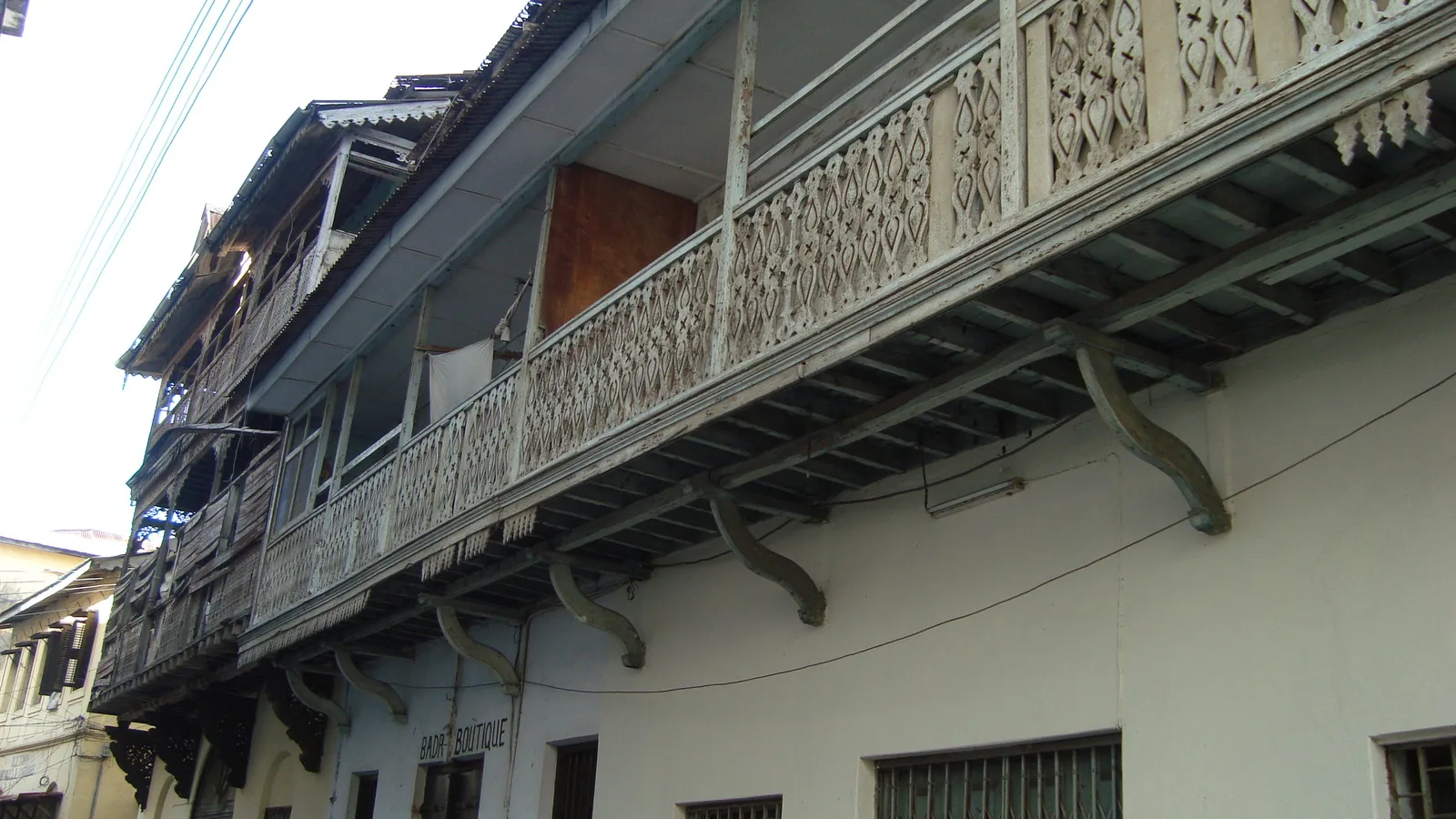
Credit Zahra Abdulmajid, CC BY-SA 3.0, via Wikimedia Commons
This page needs to begin by saying what it is not. Kenya is not Ghana, Senegal or Benin. It was not a significant departure point of the transatlantic slave trade, it has no equivalent of the door of no return, and traveling here in search of that history means traveling to the wrong coast.
What Kenya has instead is a different and much less discussed set of connections, and they are worth understanding on their own terms rather than as a substitute.
The Indian Ocean world
For a thousand years the East African coast was one edge of a trading world that ran on the monsoon, connecting it to Arabia, Persia, India and beyond. UNESCO describes Gedi as part of a network "that crossed the Indian Ocean, linking African coastal and inland centers with ports around the Arabian Sea and Southern Asia", and Lamu as shaped by interaction between Bantu, Arab, Persian, Indian and European peoples.
Swahili civilization is what that produced: an African culture, language and architecture formed in exchange rather than in isolation. The carved doors, the coral stone houses and the loan words in Swahili are the surviving evidence of a cosmopolitanism that predates European arrival by centuries.
The parts that are harder
That same trade included the trafficking of enslaved East Africans, across the Indian Ocean and within the region, over a long period and continuing later than the transatlantic trade did. It is far less memorialized than the Atlantic story, there is no equivalent circuit of interpretive sites, and a visitor looking for one will not find it here.
Fort Jesus marks the other intrusion. UNESCO describes it as testimony to "the first successful attempt by Western civilization to rule the Indian ocean trade routes, which, until then had remained under Eastern influence". The fort is the moment the sea changed hands, and it is the most legible single object on this coast for understanding why.
The interchange of cultural values and influences between and among peoples of African, Arab, Turkish, Persian and European origin.UNESCO World Heritage Centre, on what Fort Jesus bears witness to
The contemporary diaspora
There is also a living Kenyan diaspora, substantial and recent, in the United Kingdom, the United States, the Gulf and across East Africa, and a steady traffic of return: people coming back for family, for burial, for business, for good. For many travelers of Kenyan descent that, rather than any historical circuit, is what a journey here is.
Kenya has no equivalent of a Year of Return program and offers no comparable route to residence on the basis of African descent. If citizenship or long stay is your interest, take advice from Kenyan authorities rather than from an itinerary, because the provisions are ordinary immigration law and they change.
Where to go, and what it will and will not give you
- Lamu Old Town: a living Swahili town, continuously inhabited for over seven hundred years
- Gedi: the same civilization, abandoned, and legible because of it
- Fort Jesus and Mombasa Old Town: the European intrusion, and the Indian Ocean city it took
- The National Museums of Kenya, which holds and interprets these sites
- Not a transatlantic memorial circuit. That history is real, and it is on the other coast
Sources
- UNESCO World Heritage Centre: the Historic Town and Archaeological Site of Gedi
- UNESCO World Heritage Centre: Lamu Old Town
- UNESCO World Heritage Centre: Fort Jesus, Mombasa
- National Museums of Kenya: custodian of the national heritage sites
The quotations and the descriptions of the Indian Ocean trading world are UNESCO’s own wording for the three inscribed properties this cluster covers. Immigration and residence provisions are set by Kenyan authorities and are deliberately not stated here.