Culture
Kenya Culture and Etiquette Guide
Greetings are not optional in Kenya, and the coast has its own rules. What to say, what to wear, and when not to take the photograph.
- Country Kenya
- Category Culture
- Reviewed 16 August 2026
- Sources 3
- Length 3 min read
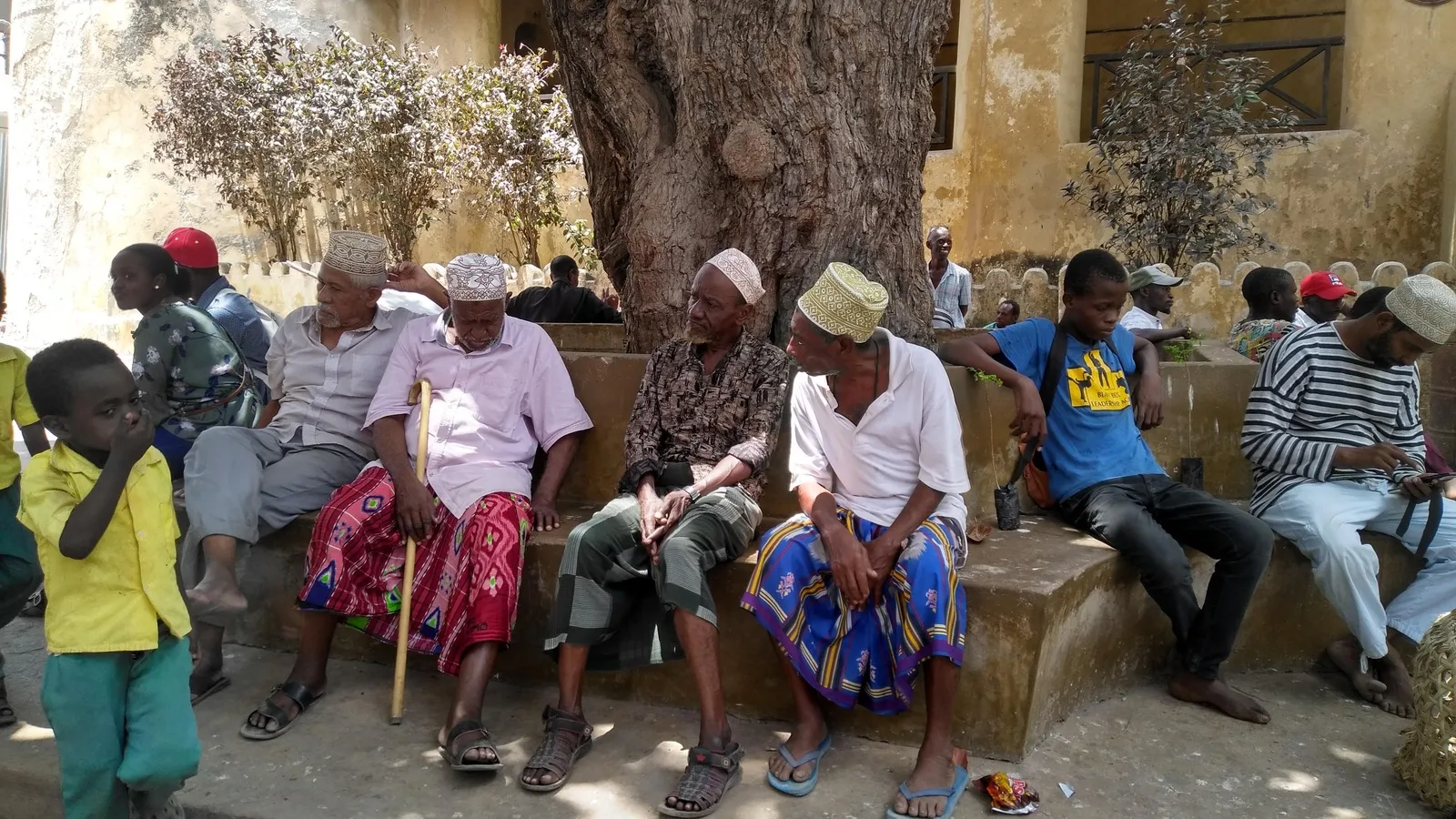
Credit Ahmedshayo14, CC BY-SA 4.0, via Wikimedia Commons
Kenya is easy to travel in and easy to be slightly rude in without noticing. Almost all of it comes down to two things: greeting people properly before you want something, and understanding that the coast is more conservative than Nairobi.
Greetings
Greeting is not a formality here, it is the transaction that precedes every other transaction. Walking up to someone and asking a question without a greeting reads as brusque in a way it does not in London or New York. Say hello, ask how they are, wait for the answer.
Swahili does most of the work. Jambo is the greeting tourists are taught; habari, meaning news, is what people actually say, answered with nzuri. Karibu is welcome, and you will hear it constantly. Asante is thank you and asante sana is thank you very much.
Handshakes are normal and often lasting, held through the first exchange. Age is respected: greet the eldest person present first. Using the right hand, or both, for giving and receiving matters, particularly on the coast.
Dress
- Nairobi is a cosmopolitan city and dresses accordingly, though smartly
- The coast is largely Muslim: cover shoulders and knees in Lamu, Mombasa Old Town and villages
- Beachwear is for the beach and the hotel, not the town behind it
- Kenyans dress well and notice. Scruffiness reads as disrespect rather than as informality
- For safari, practical and neutral is the convention, not a costume
Photography
Ask before photographing anyone, and accept a refusal without negotiating it. This matters most in exactly the places a camera is most tempting: Maasai and Samburu communities, coastal towns, markets. A payment is often expected for a posed portrait, and it is better to agree that openly beforehand than to be surprised afterwards.
Do not photograph government buildings, military or police personnel or installations, or airports. That is not a cultural nicety, it is a law that is enforced. And do not photograph people in distress or in poverty as scenery.
Religion, custom and conversation
Kenya is largely Christian inland and largely Muslim on the coast, and religion is publicly present in both. Remove shoes at a mosque, dress appropriately at either, and do not wander into a service as a spectator. Ramadan changes the rhythm of the coast entirely: eating and drinking in the street during daylight is best avoided.
The baraza, the stone bench built into the front of a Swahili house, is not street furniture. It is where men sit and talk, and it is a social institution rather than a place to rest your bag.
Two conversational notes. Kenyan politics is discussed openly and by outsiders best listened to rather than joined. And homosexuality is criminalized in Kenya, which LGBT travelers should know before they go rather than after; your own government publishes current advice on that.
Language
Kenya has two official languages, Swahili and English, and English is widely spoken in cities, in the tourist trade and in business. You can travel the country without a word of Swahili, and you should not.
Ten words of Swahili changes how you are received to a degree that is out of all proportion to the effort. Beyond the two official languages there are more than forty others in daily use, and asking someone which is theirs is a better question than assuming.
Sources
- UNESCO World Heritage Centre: Lamu Old Town
- National Museums of Kenya: custodian of the national heritage sites
- UK FCDO: Kenya travel advice
The description of Lamu as a close-knit society and a center of Islamic and Swahili learning is UNESCO’s. For current advice on local laws and customs, including those affecting LGBT travelers, read your own government’s guidance rather than this page.