Heritage
Island of Saint-Louis: Visitor and Heritage Guide
It was the capital of Senegal for eighty-five years, the capital of French West Africa before that, and the birthplace of the national dish.
- Country Senegal
- Category Heritage
- Reviewed 20 August 2026
- Sources 3
- Length 2 min read
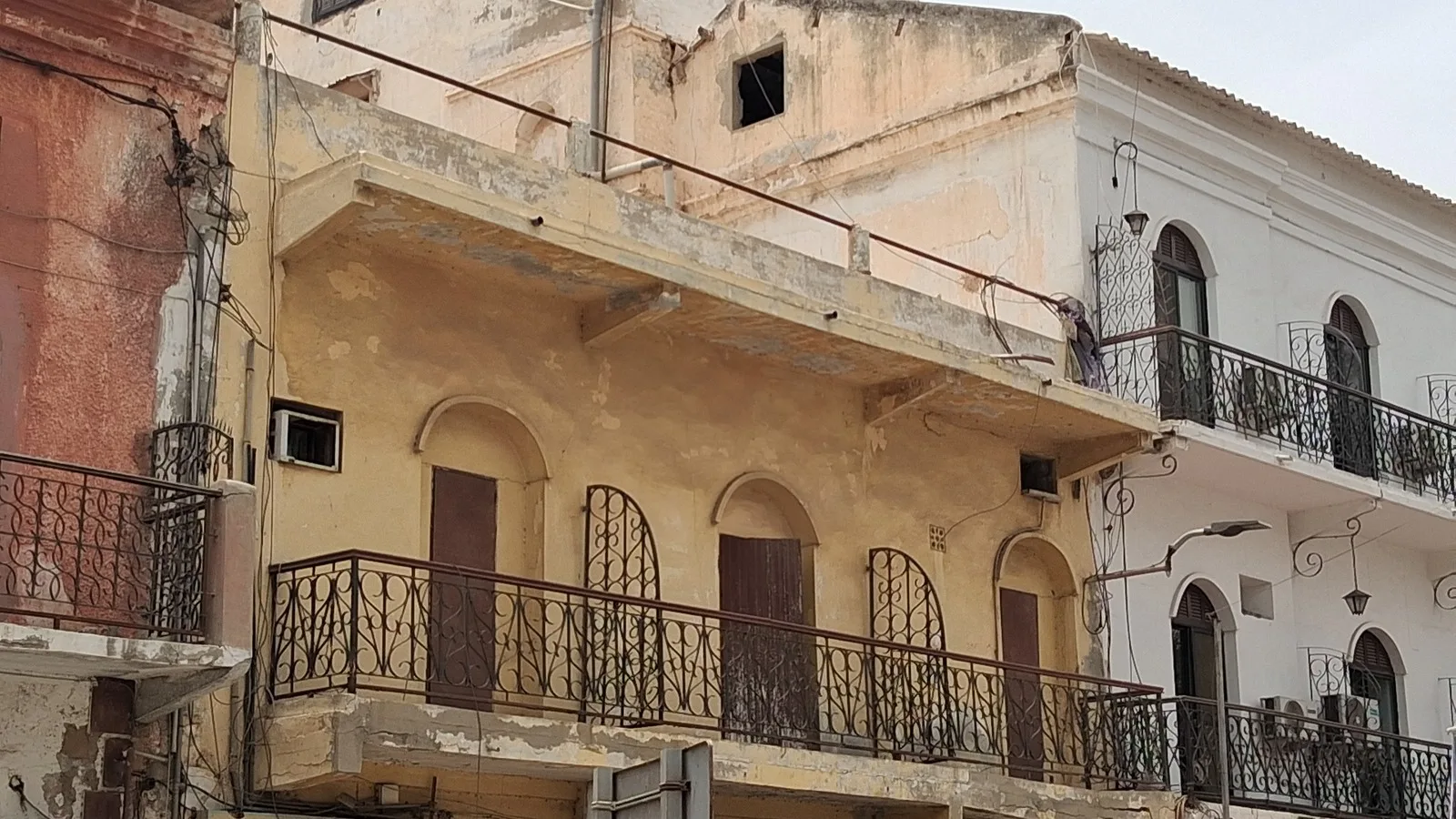
Credit Adjoajo, CC BY-SA 3.0, via Wikimedia Commons
Saint-Louis sits on an island at the mouth of the Senegal River. It was founded as a French colonial settlement in the seventeenth century, urbanized in the mid-nineteenth, and inscribed on the World Heritage List in 2000 under criteria (ii) and (iv), with a minor boundary modification inscribed in 2007.
UNESCO attributes its distinctive appearance to four things together: the island position, the regular town plan, the system of quays and the characteristic colonial architecture.
Visiting
- The historic core is the island itself, and it is walkable.
- The colonial architecture is the point, so allow time to look up.
- Eat ceebu jën here if the itinerary allows it.
- Djoudj National Bird Sanctuary is in the same river delta.
Sources
- UNESCO: Island of Saint-Louis
- UNESCO: Ceebu jën, a culinary art of Senegal
- UNESCO: World Heritage properties in Senegal
The inscription, criteria, boundary modification, founding, capital dates and trading history are from the UNESCO listing for the Island of Saint-Louis, ref 956. The origin of ceebu jën is from its own UNESCO inscription. Both read on 20 August 2026.