Culture
Senegal Culture and Etiquette Guide
Three of Senegal's living traditions are inscribed by UNESCO, and one of them is a meal. Culture here is practiced, not displayed.
- Country Senegal
- Category Culture
- Reviewed 20 August 2026
- Sources 4
- Length 2 min read
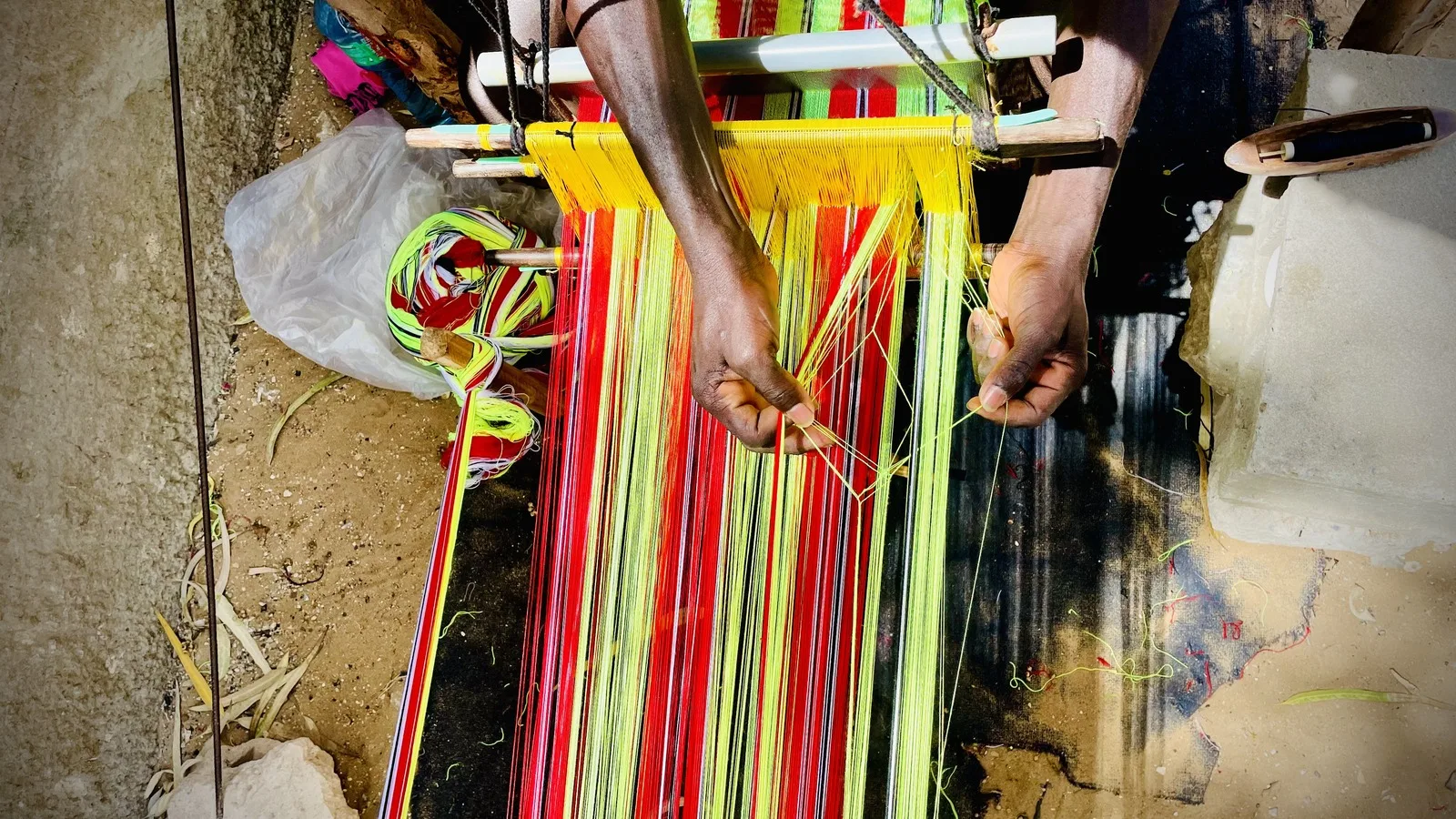
Credit Wuzyprod, CC BY-SA 4.0, via Wikimedia Commons
Senegal has three elements on UNESCO's Representative List of Intangible Cultural Heritage, and none on the Urgent Safeguarding List. That combination says something: these are traditions in current use rather than traditions being rescued.
The three are an initiation rite, a divination ceremony and a dish. Between them they cover most of what a visitor will actually encounter.
Getting the ordinary things right
- Dress modestly. Senegal is a majority Muslim country and covering shoulders and knees is the easy default.
- Greetings are not perfunctory. Allow time for them and return them fully.
- Use the right hand for eating, giving and receiving.
- Ask before photographing people, and accept no as an answer.
- Do not photograph a ceremony you have been allowed to watch without asking whether photography is welcome.
- Drunkenness is considered offensive even where alcohol is served.
Sources
- UNESCO: Xooy, a divination ceremony among the Serer
- UNESCO: Kankurang, Manding initiatory rite
- UNESCO: intangible heritage elements in Senegal
- UK FCDO: Senegal safety and security
The three inscribed elements and their descriptions are from their UNESCO inscription pages and the Senegal state page on the intangible heritage register. The note on alcohol is from the FCDO safety and security page. All read on 20 August 2026.