Travel Planning
Best Time to Visit Kenya
Kenya has two rainy seasons, two dry ones and a coast that ignores the highlands. A month by month reading of when to go and why.
- Country Kenya
- Category Travel Planning
- Reviewed 16 August 2026
- Sources 3
- Length 3 min read
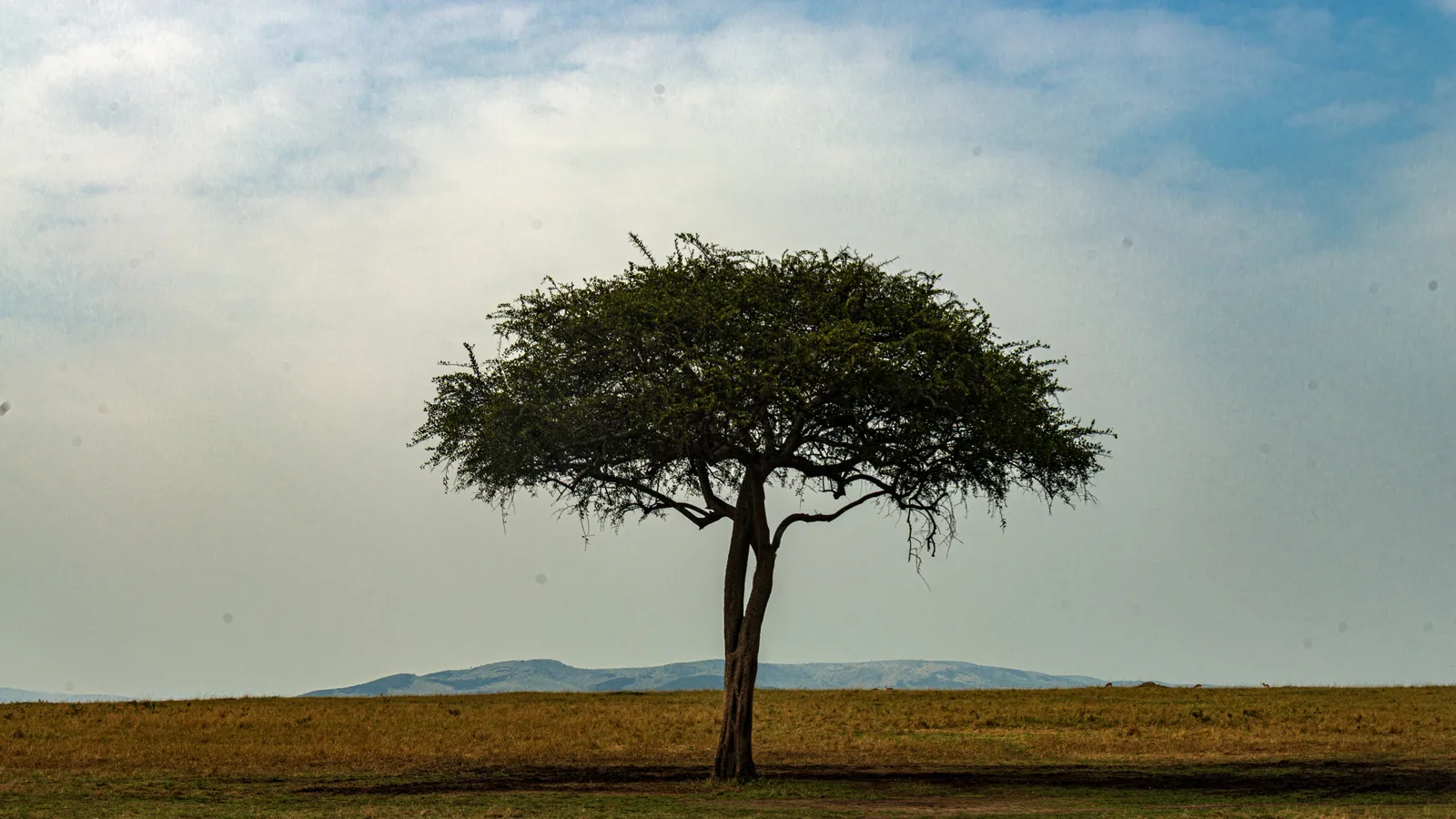
Credit Daniel Case, CC BY-SA 4.0, via Wikimedia Commons
Kenya does not have one climate. It has a coast at sea level, a capital at eighteen hundred meters, a desert north and a mountain with ice on it, and a calendar that behaves differently in each. What follows is when to go. For what the seasons do to a safari, and why the migration is not a date, read What to Know Before Visiting Kenya, which makes that argument properly.
Season by season
Two rainy seasons, unevenly matched. The long rains run through roughly late March to May, and are the wettest and quietest time of year. The short rains return for a lighter spell around late October to December, and disrupt far less than their name suggests.
Between them are the two dry seasons. January and February are hot and clear. June to September is dry and noticeably cooler, and it is the peak season for a reason: the grass is short, the animals are concentrated near water, and the light is good.
Altitude matters more than latitude here. Nairobi and the highlands are temperate and genuinely cold at dawn; the coast is hot and humid year round; the north is arid and hot whatever the calendar says. A single day can span all three.
Month by month
Rain in Kenya usually means a heavy fall for part of the day rather than gray drizzle all of it. In the long rains it can genuinely rearrange a route, because unpaved park roads turn. In the short rains it rarely does.
- January and February: hot, dry and clear, with good game viewing and high season prices
- March: hot and increasingly humid as the long rains build, and quieter for it
- April and May: the long rains, greenest landscapes, lowest prices, some camps closed
- June to September: the cool dry season, peak safari months, book far ahead
- October to early December: the short rains, brief afternoon storms, good value
- Late December: dry, festive and expensive, with the coast at its busiest
Events worth planning around
If a festival matters to you, build the trip around it rather than hoping. Lamu holds its Maulidi festival, which UNESCO notes it has hosted since the nineteenth century, and its cultural festival, and both fill the island’s limited accommodation. Because Maulidi follows the Islamic lunar calendar, it moves through the solar year and cannot be pinned to a month in advance.
The other consideration is not a festival at all: the school holidays and the turn of the year fill the coast, and the cool dry season fills the parks. If the point of your trip is quiet, the shoulder weeks either side of the long rains are where it lives.
When to avoid
Avoid the height of the long rains if your route depends on unpaved roads or on tight connections between camps, and check whether the camp you want is even open, because a number close. Avoid late December on the coast if you want it to yourself.
And avoid choosing purely on weather. The difference between a good Kenyan trip and a disappointing one is more often the operator, the route and how long you allow than the month you picked.
Sources
- Kenya Meteorological Department: forecasts and seasonal outlooks
- UNESCO World Heritage Centre: Lamu Old Town
- UK FCDO: Kenya travel advice
The seasonal pattern described here is general. For an actual forecast, or the seasonal outlook in a given year, the Kenya Meteorological Department is the national authority.