Kenya Packing List
- Country Kenya
- Guide Packing
- Reviewed 16 August 2026
- Length 2 min read
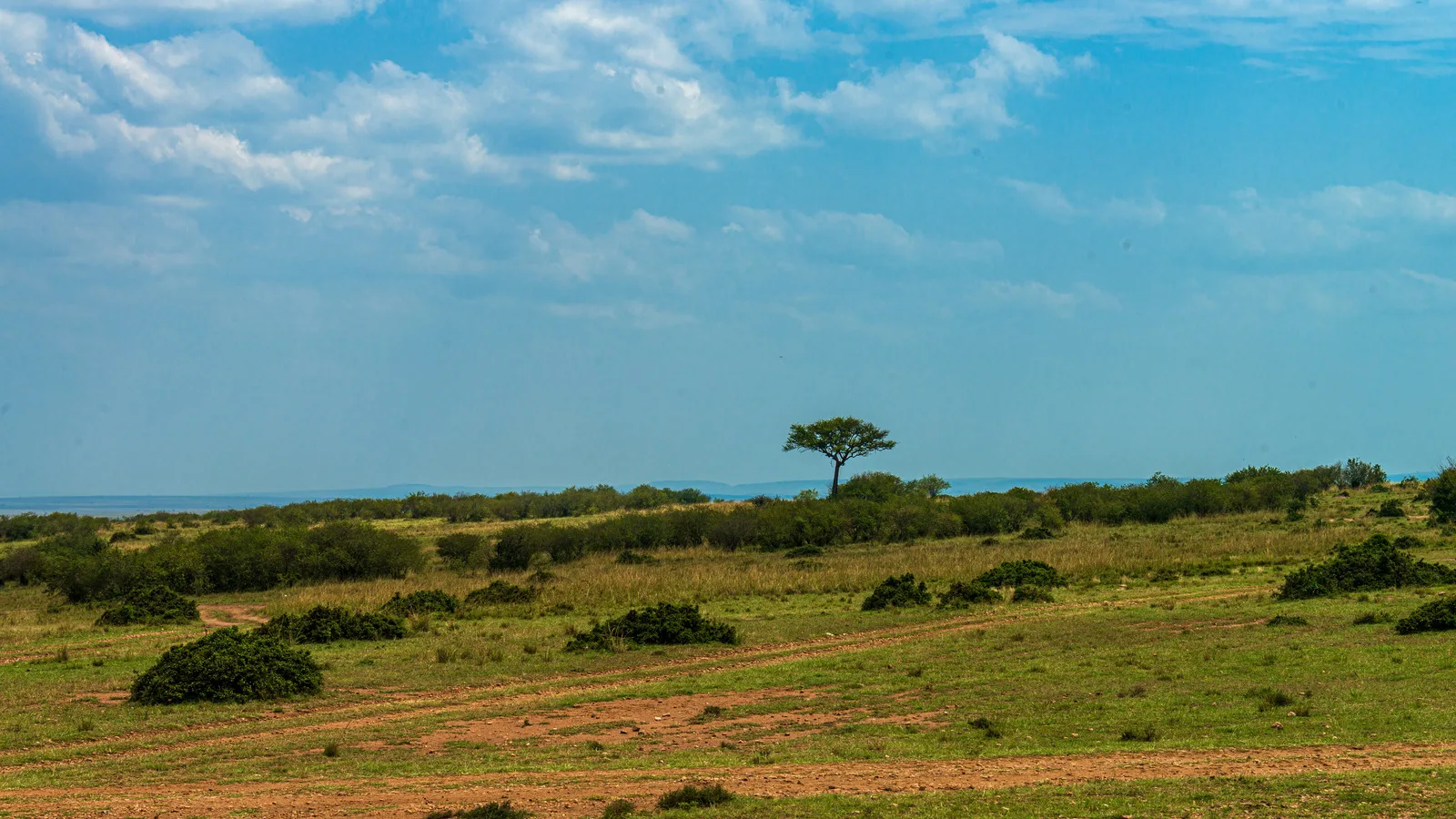
Credit Daniel Case, CC BY-SA 4.0, via Wikimedia Commons
Last reviewed 16 August 2026
Kenya catches people out on temperature. Visitors pack for the equator and then spend a morning in the Mara at dawn, or an evening in Nairobi at 1,800 meters, wondering where their warm layer is. The coast is another climate again.
Clothing
On the coast, and in Lamu and Mombasa Old Town in particular, dress is a courtesy rather than a rule. Beachwear belongs on a beach.
- Layers rather than heavy items, because a day can span 10C at dawn and 30C by noon
- A genuinely warm fleece or jacket for early game drives and the highlands
- Neutral colors for safari, which is about not standing out rather than fashion
- Long sleeves and trousers for dusk, which help against mosquitoes
- Something modest for the coast and for towns: shoulders and knees covered away from a beach
- A hat with a brim, sunglasses, and a scarf that doubles as dust protection
- Closed shoes for walking, sandals for the coast
Health and toiletries
- Malaria prophylaxis as prescribed, in its original packaging
- Insect repellent with DEET or picaridin, and a net if you are unsure of your rooms
- High factor sunscreen, which is dearer and less available than you would like
- Rehydration salts, which weigh nothing and matter on a bad day
- Any prescription medicine in its labeled box, with a copy of the prescription
- Basic first aid including blister plasters and something for an upset stomach
Documents
- Passport valid six months beyond arrival, with at least two blank pages
- Your Electronic Travel Authorisation approval, printed as well as on a phone
- A yellow fever certificate if your route brings you from a transmission risk country
- Travel insurance documents, including the medical evacuation cover
- Photocopies of everything, kept separately from the originals
Electronics
- A UK style three pin plug adapter, which is the standard fitted in Kenya
- A power bank, because outages happen and vehicle charging is not guaranteed
- An unlocked phone if you intend to buy a local SIM
- Binoculars, which matter more than a long lens for most people
- Spare camera batteries, and a dust blower if you change lenses in a vehicle
The luggage limit that decides the bag
If any leg of your trip is on a light aircraft between airstrips, and on a great many Kenyan itineraries one is, the binding limit is not the international carrier’s. Those operators impose their own allowance and, more importantly, require a soft sided bag that can be packed into an irregular hold.
Confirm the figure and the bag type with the operator flying you, not with the airline that brought you to Nairobi. This is the single most common packing mistake on a Kenyan trip and the one that is hardest to fix once you have arrived.
What to leave at home
Leave the drone. Importing one into Kenya without prior approval from the Civil Aviation Authority is illegal, and this is enforced at the airport. Leave military pattern camouflage clothing, which is restricted for civilians in Kenya and in several neighboring countries.
Leave single use plastic bags: Kenya banned them, and the ban is real. Leave anything you would be distraught to lose, and leave the assumption that you must carry a trip’s worth of toiletries. Nairobi and Mombasa have supermarkets and pharmacies.