Heritage
Rock-Hewn Churches of Lalibela: Visitor and Heritage Guide
Eleven churches cut down into living rock, and the most significant heritage site in Ethiopia. It is also in a region closed to all travel.
- Country Ethiopia
- Category Heritage
- Reviewed 20 August 2026
- Sources 4
- Length 2 min read
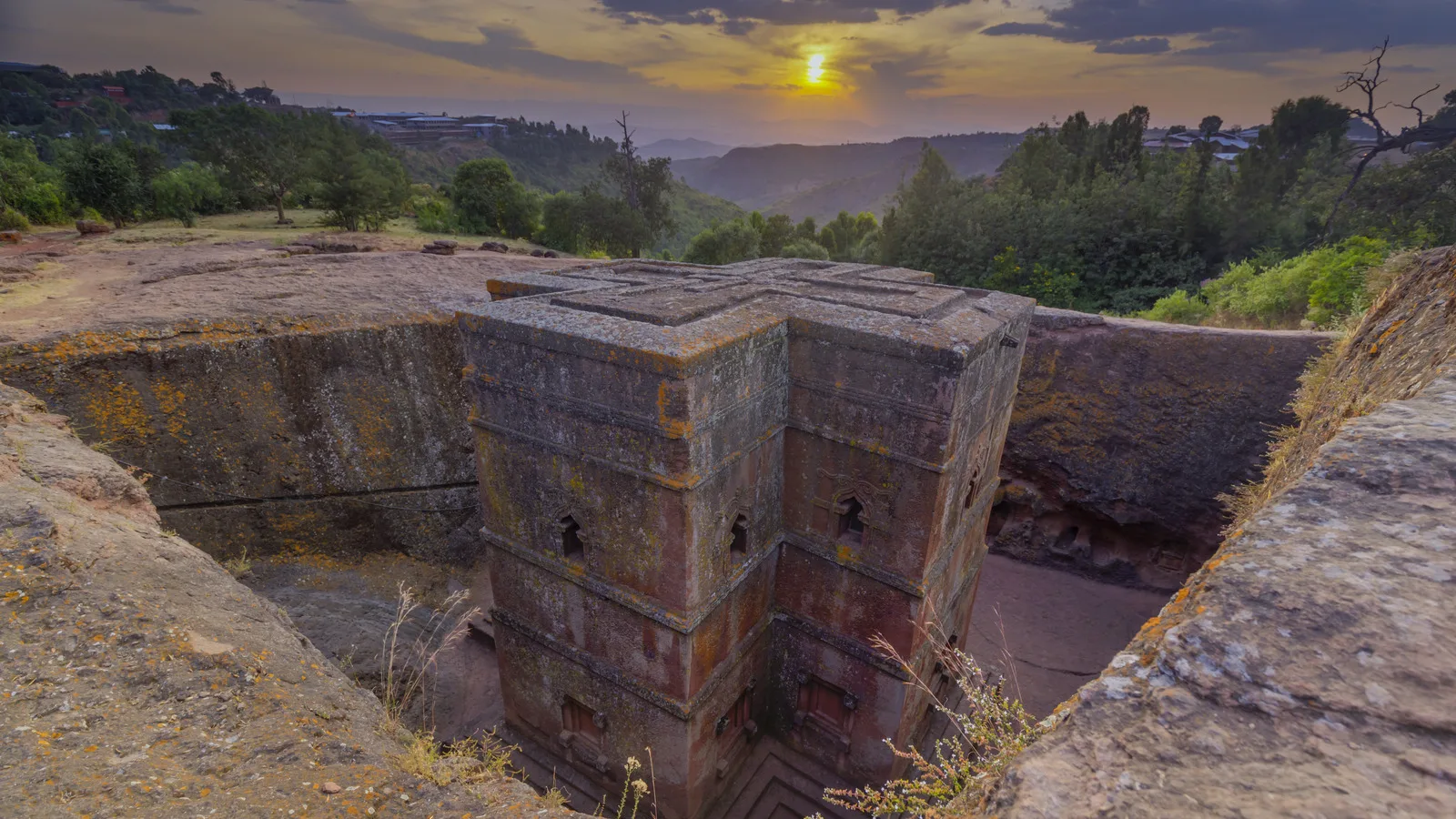
Credit Thomas Fuhrmann, CC BY-SA 4.0, via Wikimedia Commons
Before anything else
Lalibela stands in Amhara regional state, and the UK FCDO advises against all travel to all of Amhara. It cites conflict between Fano militia groups and the security forces continuing since spring 2023, heavily restricted movement, a risk of arbitrary detention, an increase in roadblocks, and a security situation it describes as very volatile.
UNESCO says the same thing in its own register. It is running an emergency project to safeguard the intangible cultural heritage of Lalibela and the surrounding area, endangered by conflict, from October 2023 through October 2026. When the heritage body itself opens an emergency file on a place, that is the clearest statement available about its condition.
This page exists because the churches matter, not because we think you should go this year. We do not.
What is there
Eleven medieval monolithic churches, carved downward out of solid rock in a mountainous region roughly 645 kilometers from Addis Ababa, in a landscape of traditional circular dwellings. They are not built and they are not caves: each was cut into the ground from the top, so that the rock that remains is the church.
UNESCO attributes their building to King Lalibela, who set out to construct a New Jerusalem after Muslim conquests halted Christian pilgrimage to the Holy Land, and records that Lalibela flourished after the decline of the Aksumite empire. Inscribed in 1978 under criteria one, two and three, it was among the very first sites anywhere to enter the World Heritage List.
If and when the advice changes
- Re-read the FCDO Amhara entry yourself. A tour operator's assurance is not a substitute for the source.
- The site is reached from Addis Ababa, and Amhara road movement is described as heavily restricted with an increase in roadblocks.
- Shoulders and knees covered, shoes removed where others remove them, and no photography of anyone at prayer without asking.
- Ethiopia sits high and Lalibela is higher. Allow for altitude before attempting a full day on uneven rock.
Sources
- UNESCO: Rock-Hewn Churches, Lalibela, inscribed 1978
- UNESCO: intangible cultural heritage in Ethiopia
- UK FCDO: Ethiopia regional risks
- UNESCO: World Heritage properties in Ethiopia
Site description and inscription details read from UNESCO on 20 August 2026. The emergency project is listed on UNESCO's Ethiopian intangible heritage state page. The advisory position was read from the UK FCDO regional risks page for Ethiopia the same day. NOTE: UNESCO's brief description calls these "cave churches" and misspells "pilmigrage", and its two descriptions on the same page give different centuries for the construction. We use its own official title, rock-hewn, and publish no century.