Travel Planning
Best Time to Visit Malawi
Malawi has one long rainy season and one long dry one, and the choice between them decides whether you get roads or waterfalls.
- Country Malawi
- Category Travel Planning
- Reviewed 19 August 2026
- Sources 3
- Length 2 min read
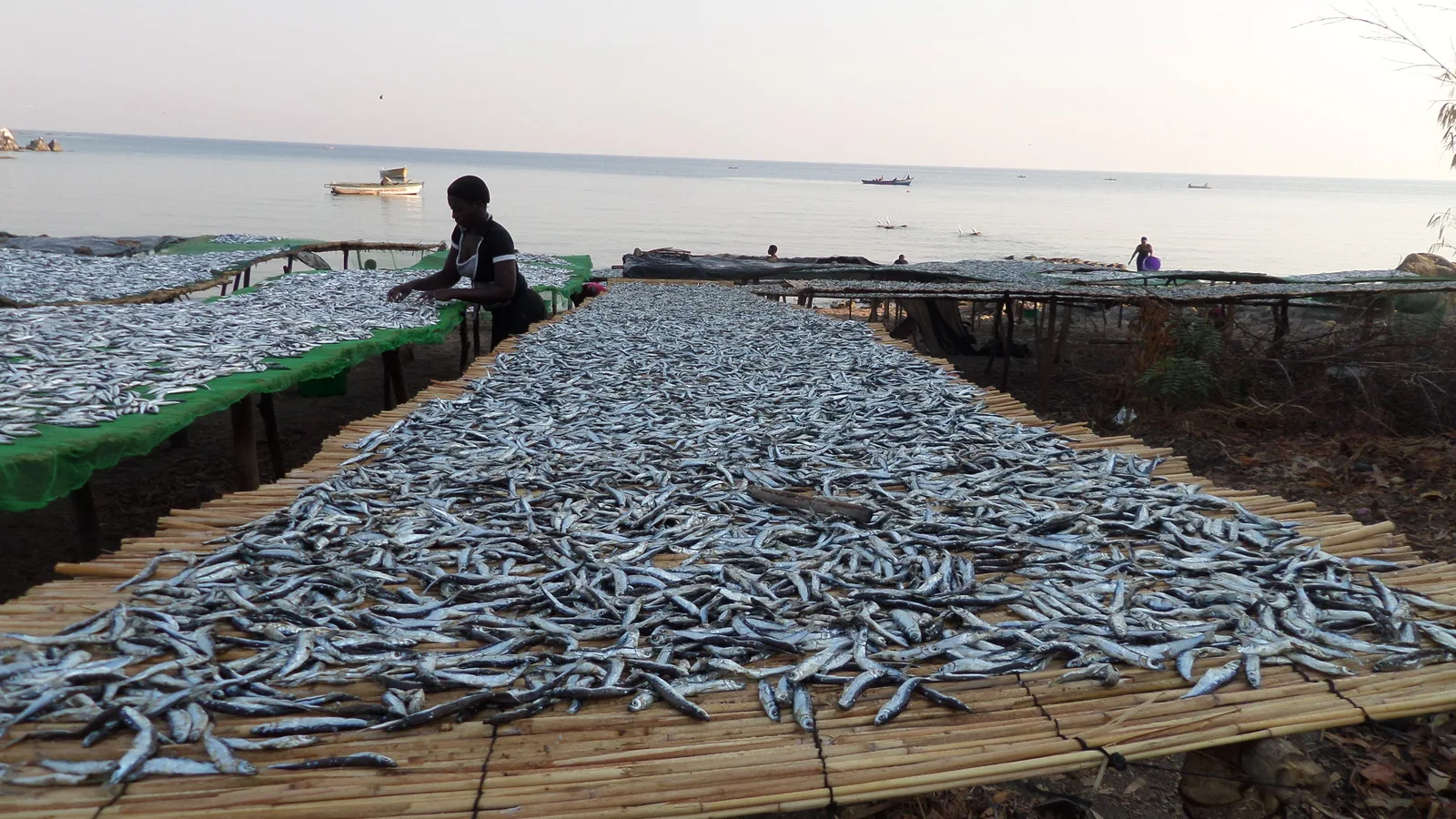
Credit Felefuchs, CC BY-SA 4.0, via Wikimedia Commons
Malawi has a simple climate on paper and a complicated one in practice. There is a rainy season from November to April and a dry season from May to October, and that single division decides more about a trip here than anything else: which roads exist, how the lake looks, whether the mountains are visible at all.
The dry season, May to October
This is when most visitors come, and the reasons are good ones. Roads are passable. The lake is clear and calm enough for diving and snorkelling. Game viewing concentrates around water as the bush dries out. Skies are open, so Mulanje and the Zomba escarpment are actually there rather than behind cloud.
The cost is temperature. June and July on the plateau are cold at night, and visitors who packed for a lake are the ones who remember it. It is also the busiest and most expensive window, particularly around the lake.
The rainy season, November to April
The rains bring the country back to green, fill the waterfalls, and make the highlands spectacular. They also close roads. Cyclones and floods are common in this window, they cause landslides, and parts of the country become genuinely inaccessible rather than merely awkward. Cholera cases rise in the rains.
If you travel then, you are trading reliability for beauty and for a country that looks like itself. It is a real choice rather than a wrong one, but it is not the season to plan a tight itinerary in.
Choosing a month
- May and June: the rains have finished, the country is still green, and the nights are cold on high ground.
- July and August: the driest and busiest, and the best conditions on the lake.
- September and October: hot, dusty and excellent for wildlife, with the heat building towards the rains.
- November to April: green, wet, cheap and unreliable, with cyclones and road closures.
- Any month on the lake shore is warm. Any month above about 1,000 meters is not.
What the seasons do to the lake
The fishery follows the water. Usipa, the small lake fish that dry on bamboo racks along the shore, are worked hardest in the dry months, and the racks along the beach at Likoma are as good a seasonal marker as any calendar. The Ilala runs year round, but the lake is roughest in the rains, and a crossing that is a pleasure in August is a different proposition in January.
Sources and references
Seasonal hazards, cyclone risk and road disruption are recorded on the FCDO safety and security page for Malawi, read on 19 August 2026.