Culture
Malawi Culture and Etiquette Guide
Greetings that take time, a matrilineal inheritance system and a masked society older than the state. How to be a good guest in Malawi.
- Country Malawi
- Category Culture
- Reviewed 19 August 2026
- Sources 4
- Length 2 min read
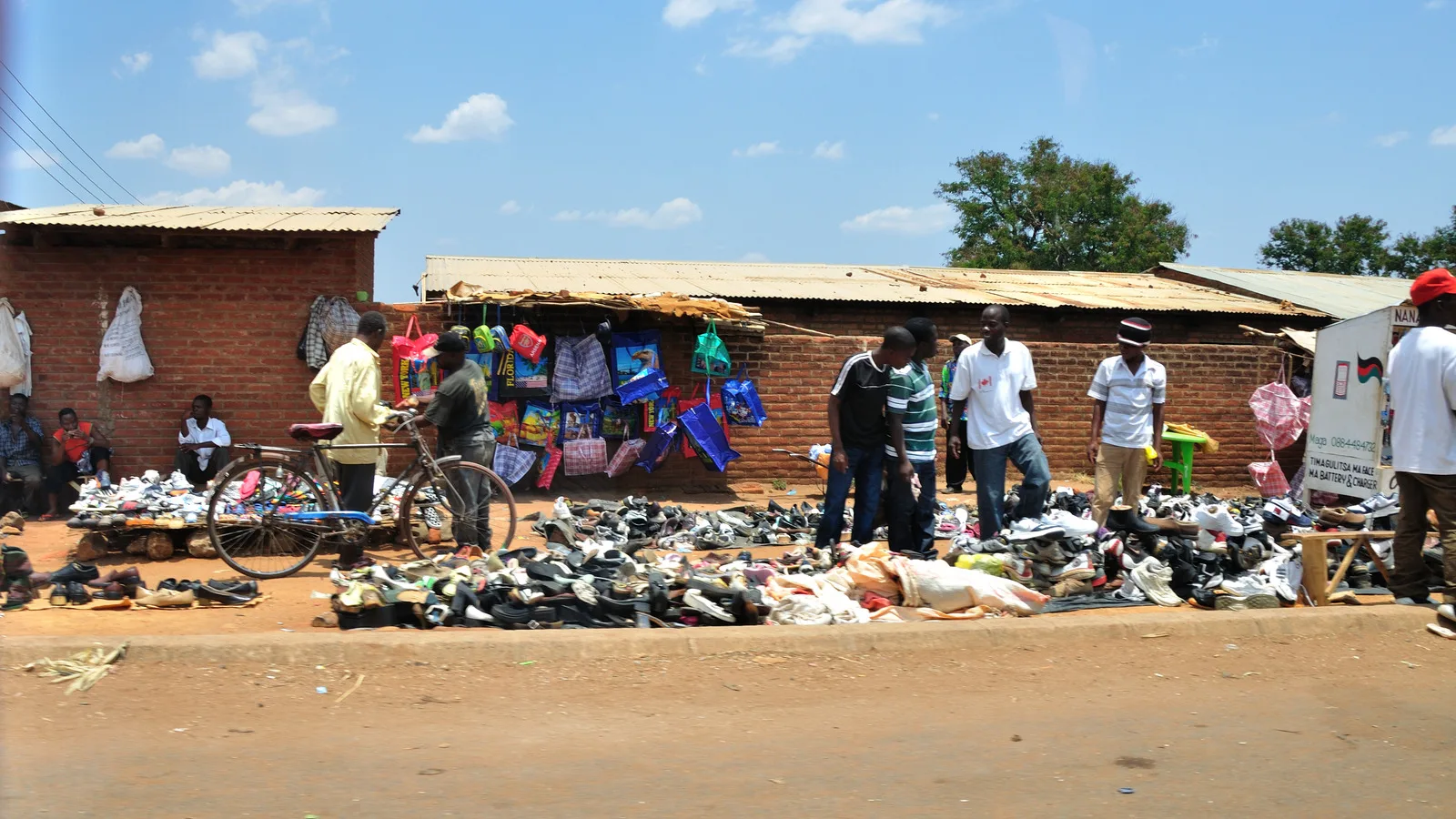
Credit Hansueli Krapf, CC BY-SA 3.0, via Wikimedia Commons
Malawi is called the warm heart of Africa by its own tourist industry, which is the sort of slogan that usually means nothing and in this case is doing something specific. Malawian social life places a high value on greeting properly, on deference to age, and on not being abrupt. A visitor who slows down by about thirty seconds per interaction will find the country opens up considerably.
Greeting, and taking the time
You greet before you ask. Walking up to someone and opening with a question is the commonest thing visitors get wrong, and it reads as rude in a way that is easy to avoid. Say hello, ask how they are, wait for the answer, and then ask your question.
Handshakes are common and often soft and lingering rather than firm. Supporting your right forearm with your left hand while shaking, or while giving or receiving anything, is a mark of respect and is noticed. Chichewa is widely spoken alongside English: moni is hello, zikomo is both thank you and excuse me, and using either buys you a great deal of goodwill.
The Chewa, the Nyau and a matrilineal society
Among the Chewa, the largest group in the center and south, descent and inheritance run through the mother, and a married man has historically had a marginal position in his wife's village. That fact explains something a visitor would otherwise miss: the Nyau, the men's secret society whose masked dancers perform the Gule Wamkulu, exists partly as a counterweight to that, a solidarity among men that crosses villages.
Nyau members are still responsible for initiating young men into adulthood, and the Gule Wamkulu is performed at the end of that initiation. It is not folklore staged for visitors, and the rock shelters of the Chongoni Rock-Art Area, in the Dedza hills, record exactly this: the paintings there are tied to Nyau initiation and to Chinamwali, the women's initiation, and some of the sites are still in ritual use.
Being a good guest
- Greet first, ask second. Always.
- Use your right hand to give, receive and eat.
- Dress conservatively away from the tourist areas. Covered shoulders and knees.
- Ask before photographing anyone, and accept a refusal without argument.
- Do not photograph government buildings, airports or police.
- Defer to older people, in seating, in order of greeting and in conversation.
- Public displays of affection are not welcome, and same-sex activity is illegal.
One thing stated plainly
Same-sex sexual activity is illegal in Malawi and may carry a custodial sentence. The travel safety guide states that in full, with its source, and this page points at it rather than restating it. It is set out as law, because that is what it is.
Sources and references
- UNESCO: Malawi on the intangible cultural heritage lists
- UNESCO: Gule Wamkulu, inscribed for Malawi, Mozambique and Zambia
- UNESCO: Chongoni Rock-Art Area
- UK FCDO: Malawi safety and security
Malawi has six elements on the UNESCO intangible heritage lists, of which Gule Wamkulu is inscribed jointly for Malawi, Mozambique and Zambia. The link between the Chongoni paintings and Nyau initiation is made by the property's own inscription.