Travel Planning
Best Time to Visit Mauritius
Mauritius is warm all year, so the question is not temperature. It is cyclones, humidity and the difference between the coast and the plateau.
- Country Mauritius
- Category Travel Planning
- Reviewed 19 August 2026
- Sources 3
- Length 2 min read
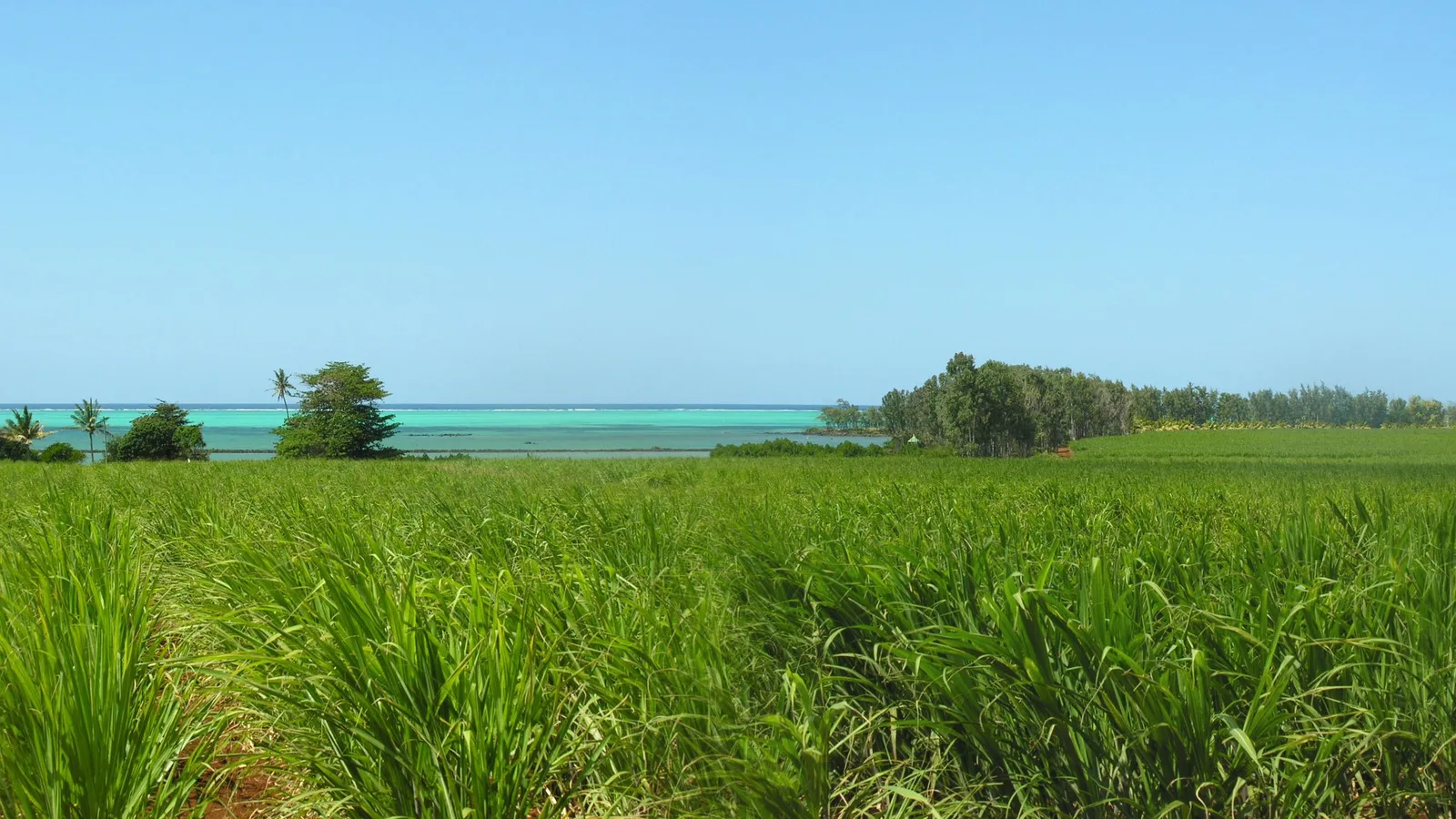
Credit Hansueli Krapf, CC BY-SA 3.0, via Wikimedia Commons
Nobody comes to Mauritius for the weather forecast, because the answer is always warm. What varies is how humid it is, how likely a cyclone is, and whether the interior is comfortable or cold enough to want the fleece you nearly left at home.
The island is in the southern hemisphere, so the seasons are inverted from Europe and North America, and it has two of them rather than four.
Summer, and the cyclone season
The hot, wet season runs roughly from November to April. It is humid, the rain comes in short heavy bursts, and the sea is at its warmest. It is also the tropical cyclone season, which the Foreign, Commonwealth and Development Office gives as November to May, and that overlap is the single most useful thing on this page.
A cyclone is not an inconvenient afternoon. Property damage is extensive, landslides happen on the steeper ground, and while one is in progress you are not permitted to leave your accommodation. Traveling in the season is entirely normal and is what a great many visitors do. It simply means buying insurance that covers a delay and building a spare day into the plan.
Winter, and what it actually feels like
The cooler, drier season runs from about May to October. Days on the coast are pleasant rather than hot, humidity drops, and the risk of a cyclone effectively disappears. It is the easier half of the year for walking, for the gorges and for anyone who does not enjoy sleeping in humidity.
The catch is the wind. The southeast trades blow hardest in these months, which makes the east and southeast coasts breezy and the water choppier, and makes the west and north the sheltered side. Kitesurfers plan their trips around exactly this and swimmers sometimes wish they had.
Choosing your window
- For the warmest sea and lush green interior, come between November and April and insure for delay.
- For walking, gorges and comfortable days, come between May and October.
- For calm water, favor the north and west in winter and the east in summer.
- For wind sports, the southeast between June and September is the reason people come.
- Whenever you come, pack a layer for the central plateau. It is genuinely cooler up there.
- Avoid assuming a wet season means a washout. It usually means an hour of rain and a rinsed sky.
The plateau is a different climate
Curepipe sits several hundred meters above the coast and behaves accordingly. It is cooler, wetter and cloudier than the beach twenty minutes away, all year, and visitors who have packed only for a lagoon notice within a day. It is also why the island grows tea up there and sugar down here, and why the drive from the airport to the highlands feels like changing country rather than changing road.
Sources
The cyclone season dates and the rules that apply during a cyclone are the Foreign, Commonwealth and Development Office's, read on 19 August 2026.