Culture
Seychelles Culture and Etiquette Guide
Seychelles had no indigenous population, so everything here was carried in. Its Creole culture is what the people brought and what survived.
- Country Seychelles
- Category Culture
- Reviewed 20 August 2026
- Sources 3
- Length 2 min read
Credit NorbertNagel, CC BY-SA 4.0, via Wikimedia Commons
Seychelles is one of very few countries on earth with no indigenous population. Nobody was here. Everything a visitor meets, the language, the food, the music, the faith, arrived on a ship, and most of it arrived with people who had no choice about boarding.
That single fact is the right frame for everything below.
The practical layer
- Greet people. This is a small-island society and brusqueness reads worse here than in a city.
- Dress modestly away from the beach. Beachwear on a beach is unremarkable; beachwear in Victoria is not.
- Ask before photographing people, and accept a refusal without argument.
- Same-sex sexual activity is legal in Seychelles. The FCDO records that attitudes vary and that same-sex marriage is not recognized.
- Drug laws are strict and penalties are severe, up to life imprisonment, for supplying and for simple possession alike.
The museum is a reasonable first stop
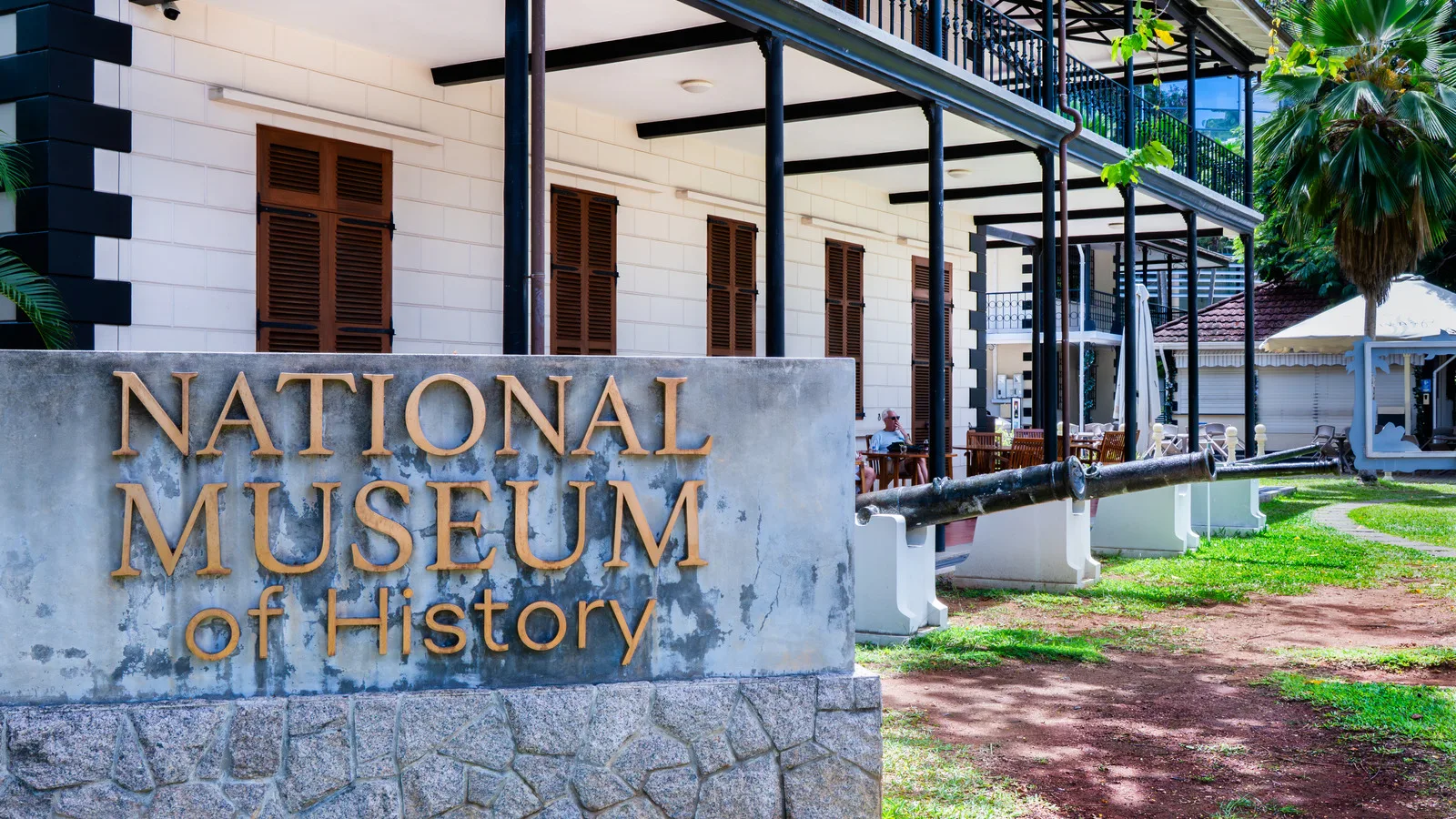
The National Museum of History sits in Victoria, and on an archipelago whose entire population arrived from somewhere else within the last three centuries, a national history museum is doing something more specific than usual. It is assembling an origin story out of shipping records.
What we are not going to tell you
We are not going to characterize Seychellois attitudes, manners or beliefs beyond what a government source or a UNESCO inscription says, and neither of those says much. Everything above is either sourced or is ordinary courtesy that would apply anywhere. The rest you will learn faster from a bus queue than from us.
Sources
- UNESCO: moutya, inscribed 2021
- UNESCO Tentative List: Silhouette Island, submitted by Seychelles
- UK FCDO: Seychelles safety and security
The account of moutya's origin is from UNESCO's 2021 inscription. The Creole tradition claim is from Seychelles' own Tentative List submission for Silhouette Island, and is attributed to Seychelles because UNESCO assigns sole responsibility for Tentative List content to the state party. Legal and safety statements from the UK FCDO safety and security page. All read 20 August 2026.