Travel Planning
Best Time to Visit South Africa
The Cape and the rest of South Africa have opposite rainy seasons, which is the single most useful thing to know before choosing when to go.
- Country South Africa
- Category Travel Planning
- Reviewed 16 August 2026
- Sources 3
- Length 2 min read
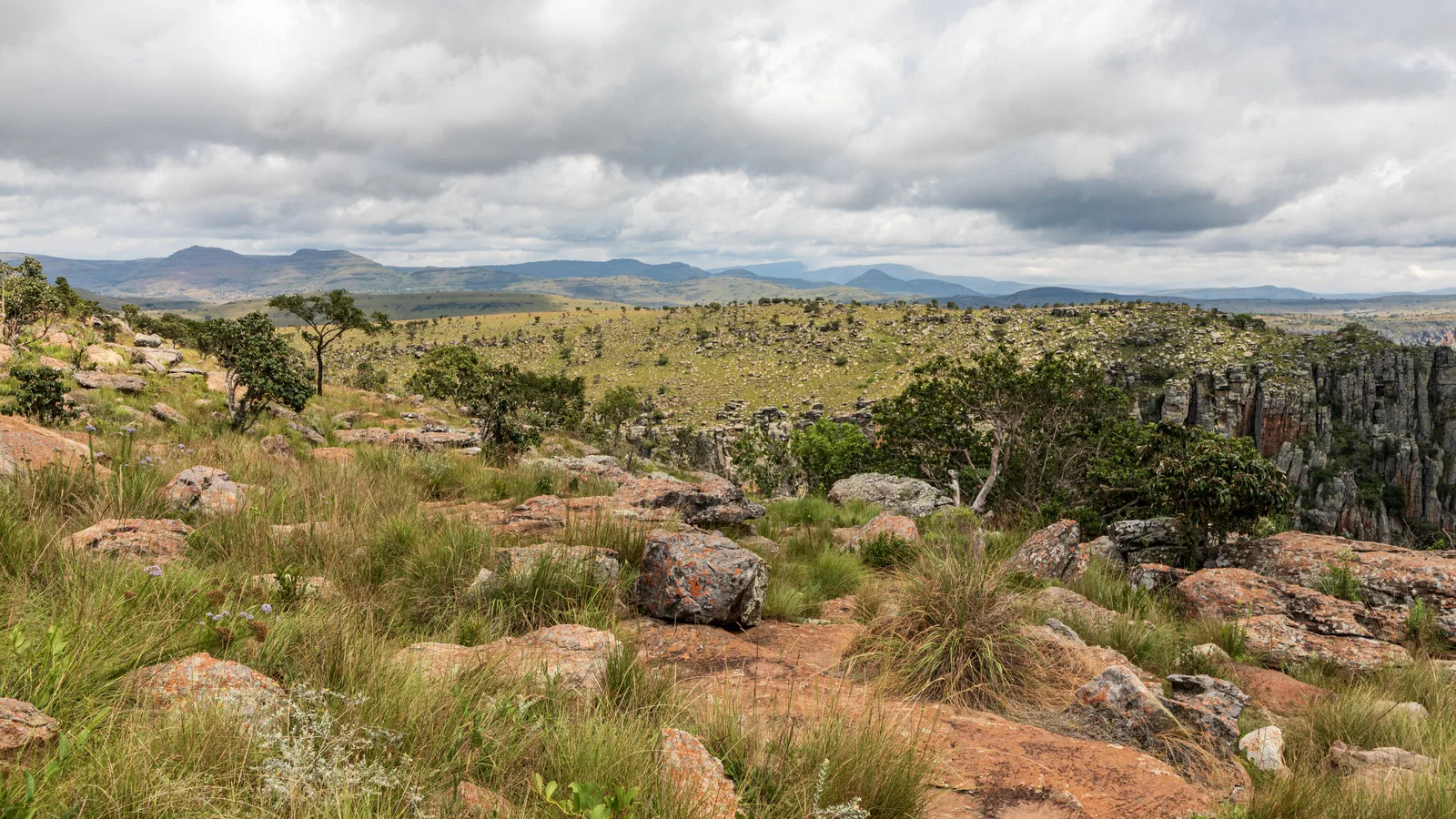
Credit Dietmar Rabich, CC BY-SA 4.0, via Wikimedia Commons
There is no single best time to visit South Africa, and anyone who gives you one has decided what you are coming for without asking. The country runs two opposite rainfall patterns at once, and the right month depends entirely on which half of it you are going to.
The two rainfall patterns
The Western Cape, including Cape Town and the winelands, has a Mediterranean climate: dry summers and wet winters. The rest of the country, including Johannesburg, the Drakensberg and the great game reserves of the northeast, has the opposite: summer rain and dry winters.
So a July trip means cold, wet, windy Cape Town and dry, cool, superb game viewing in the northeast. A January trip means a Cape Town at its warmest and a bushveld that is green, humid, thunderstormy and much harder to spot animals in. Remember also that the seasons are reversed from the northern hemisphere, which catches out more people than the rain does.
If you are coming for wildlife
The dry winter months are the classic answer, and for good reason. Vegetation thins, animals concentrate around the remaining water, and both of those make them easier to see. Days are mild and mornings are genuinely cold, which is worth knowing before you sit in an open vehicle at dawn.
The green season has its own case. The bush is beautiful rather than dun colored, birdlife is at its richest because the migrants are in, and it is when most animals calve. You will work harder for your sightings and the light is better.
If you are coming for the Cape
The Cape summer, roughly November through March, is what the postcards show: long dry days, the beaches busy, the winelands at their best. It is also when South Africans take their own holidays, so the coast is full and prices are at their highest.
The shoulder months on either side are the quiet recommendation of most people who go often. Settled weather, thinner crowds, and the wind that defines a Cape Town summer is less relentless.
Seasonal things worth planning around
The flower season in particular cannot be booked far ahead with confidence: it depends on when the winter rain actually fell. Local reports in the weeks beforehand are worth more than an average date.
- Southern right whales come inshore along the southern coast through the winter and spring
- The wildflowers of the northwest appear for a few weeks in early spring, and the timing shifts with the rain
- School holidays fill the coast and the reserves, and the December period is the busiest of the year
- The Drakensberg gets snow in winter, which is a surprise to most first time visitors
- Game viewing is at its easiest late in the dry season, when the water has drawn everything in
Sources
- South African Tourism: the national tourism authority
- South African Government: South Africa's people, including the official languages
- UK FCDO: South Africa travel advice
Seasonal timings above are general patterns rather than guarantees, and the flower and whale seasons in particular vary from year to year.