South Africa Packing List
- Country South Africa
- Guide Packing
- Reviewed 16 August 2026
- Length 2 min read
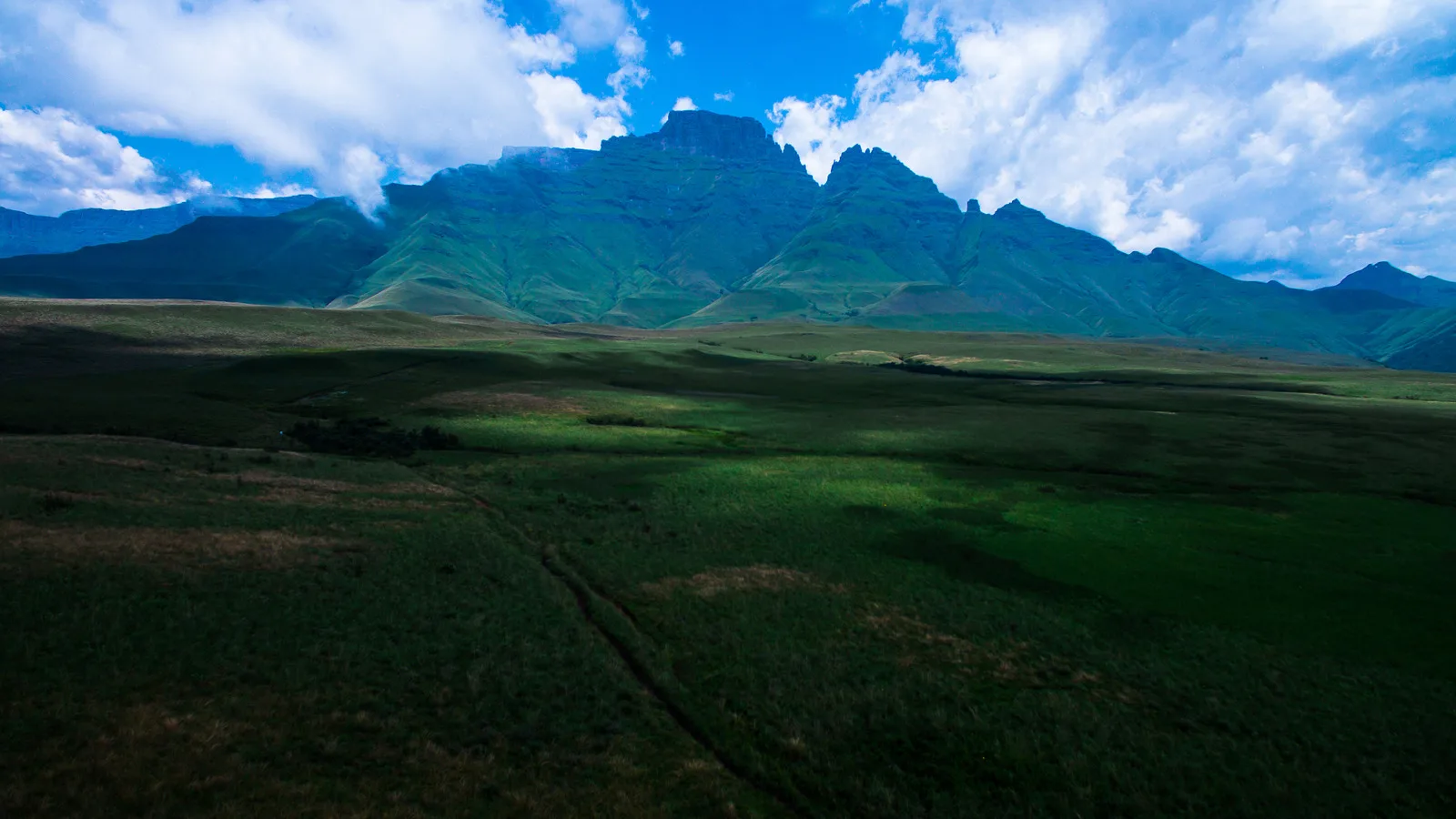
Credit Soaring Heights Imagery, CC BY-SA 4.0, via Wikimedia Commons
Last reviewed 16 August 2026
Two facts do most of the work in a South African suitcase. The seasons are the other way round from the northern hemisphere, so July is midwinter. And much of the interior sits high enough that the temperature falls hard once the sun is down, whatever the middle of the day did.
Altitude and the daily swing
Johannesburg and most of the interior plateau sit well above a mile. That is high enough to matter twice: the sun is stronger than the air temperature suggests, and evenings cool sharply even after a hot afternoon. Visitors who pack for the daytime figure alone spend the first evening cold.
It is also enough altitude that some people notice the first day or two, particularly arriving off a long flight. It is not the Andes, but it is not sea level either.
The things people wish they had brought
- A warm layer for evenings, in every season, including summer
- A windproof outer layer, because the Cape wind is a genuine feature rather than a detail
- Sun protection stronger than you would use at home, and a hat with a brim
- Comfortable shoes you can walk a city and a trail in
- A universal adapter, because South African sockets are not the common European type
- Any prescription medicine in its original packaging, with the prescription
- A copy of your passport kept separately from the passport
If you are going into the bush
Malaria is present in some parts of the country and absent from others, and the reserves most visitors go to are not all in the same category. That is a conversation to have with a travel clinic rather than a packing decision.
- Neutral colors, because bright white and black are both conspicuous
- Long sleeves and long trousers for dawn and dusk, which is when mosquitoes are active
- Insect repellent, and more of it than you think
- A soft bag rather than a hard case if a light aircraft is involved, because they require it
- Binoculars, which are the single most useful thing to bring and the most often forgotten
Season by season
The Cape and the rest of the country have opposite rainfall patterns, which is the single most useful thing to understand about the calendar here. Cape Town is wettest in winter; Johannesburg and the eastern reserves are wettest in summer.
- Summer, from around November to February: hot in the interior, humid on the east coast, and the rains
- Autumn, from around March to May: settled, mild, and many people think the best of it
- Winter, from around June to August: dry and cold in the interior, wet and windy in the Cape
- Spring, from around September to October: wildflowers in the northwest, whales off the south coast
What not to bother with
You do not need to bring toiletries, medicines sold over the counter, or clothing you could buy on arrival. South African shops are well stocked and often cheaper than at home. Bring the things that are specific to you and buy the rest.
Leave conspicuous jewelry and expensive watches at home. That is a safety point rather than a style one, and it is the one piece of packing advice every official source repeats.