South Africa
Landscape, wine, wildlife, and a history you cannot travel past
- Region Southern Africa
- Country South Africa
- Type Country
- Reviewed 28 July 2026
- Sources 3
- Length 3 min read
Credit Unsplash
Why South Africa
South Africa is often recommended as a first African destination on the grounds that it is easy. The infrastructure is good, the distances are manageable, and English is widely spoken. All true, and all beside the point.
What makes the country worth a serious trip is the collision of things: Table Mountain above a working port city; the Cape winelands; the Drakensberg escarpment; Kruger; a coastline on two oceans; and eleven official languages reflecting a population that has never been one thing.
History is not optional
Apartheid ended in 1994. That is within living memory for most adults you will meet, and its spatial logic is still visible: in who lives where, in the townships built to hold labor at a distance, in the ownership of land.
The Apartheid Museum in Johannesburg, Constitution Hill, the Hector Pieterson Museum in Soweto and Robben Island are not side trips. A visitor who skips them is choosing not to understand the country they are in.
Township tours vary enormously in how they are run. Ask who is guiding, who is paid, and whether residents agreed to it.
Cape Town and the Cape
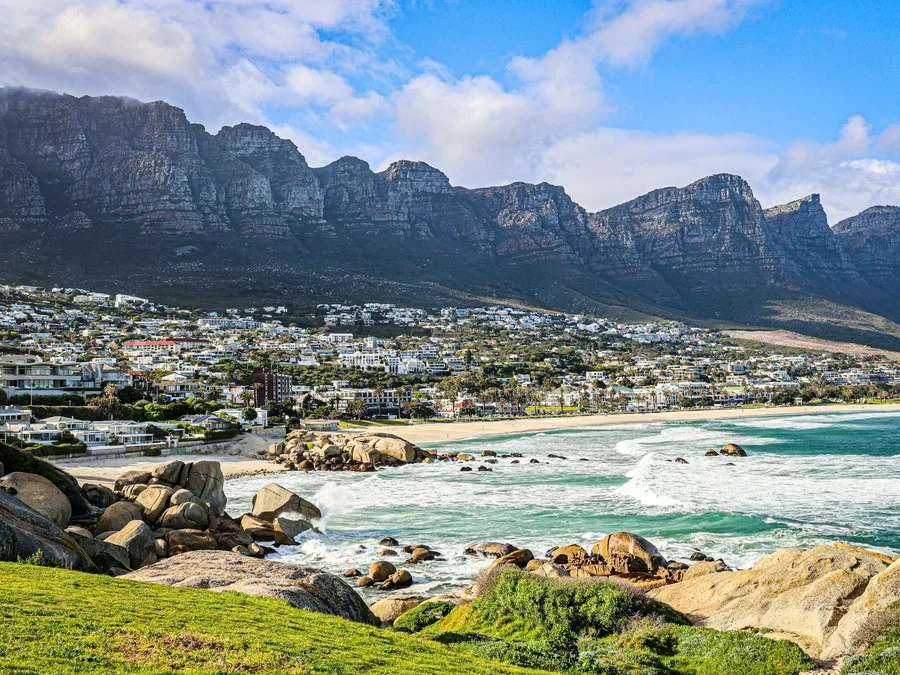
Cape Town sits under Table Mountain on a peninsula between two currents. The Company's Garden, Bo-Kaap, the District Six Museum and the V&A Waterfront are all within the city; Cape Point, Boulders Beach and the winelands of Stellenbosch and Franschhoek are within an hour or two.
The Cape floral kingdom is the smallest and most diverse of the world's six, with around 9,000 plant species, most found nowhere else.
Wildlife
Kruger National Park is roughly the size of Wales and can be self-driven, which makes it unusually accessible. The private reserves on its western boundary (Sabi Sand and others) allow off-road driving and generally produce closer sightings at higher cost.
Malaria risk in the Kruger area is seasonal and geographically variable. Take medical advice specific to your route and dates.
Practical orientation
Eleven official languages; English is the common language of business. The currency is the rand. Seasons are reversed from the northern hemisphere: the Cape is wettest in winter (June to August), while the Kruger region is driest then, which is when wildlife viewing is best.
Confirm entry requirements, and any documentation needed when traveling with children, with the official source before you travel.
Sources and references
- UNESCO World Heritage Centre: Robben Island
- UNESCO World Heritage Centre: Cape Floral Region Protected Areas
- UNESCO World Heritage Convention: South Africa
These are the authoritative references for the World Heritage sites this page discusses; each was checked at source on 10 August 2026. Practical details (entry rules, health guidance, opening times) change constantly. The bodies listed here are authoritative and this page is not.