Travel Planning
Best Time to Visit Tanzania
Two rainy seasons rather than one, a migration that is a circuit with no beginning, and the reason the cheapest months are cheap.
- Country Tanzania
- Category Travel Planning
- Reviewed 19 August 2026
- Sources 4
- Length 3 min read
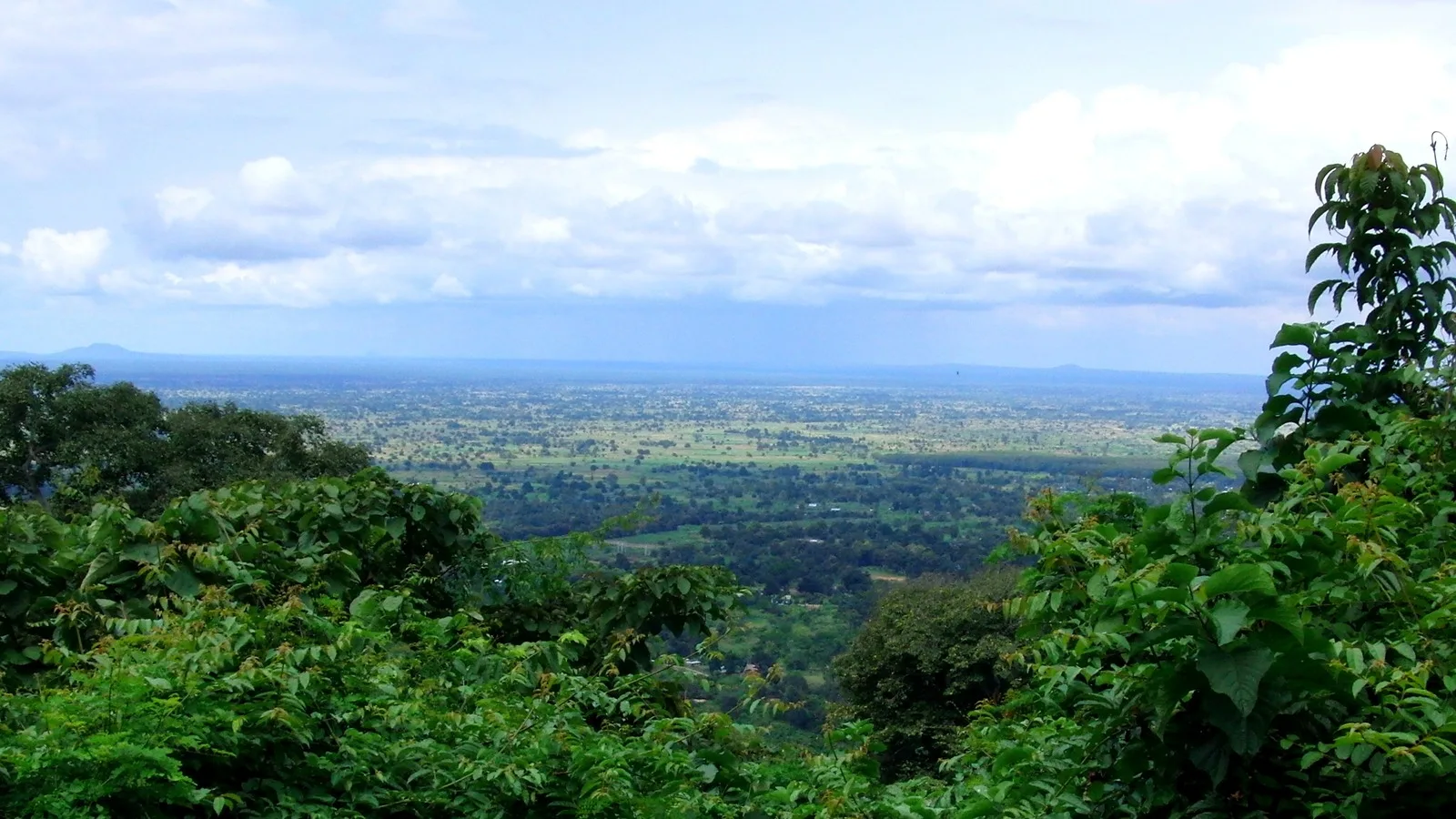
Credit Jens Klinzing, CC BY 3.0, via Wikimedia Commons
Almost every Tanzania itinerary is sold around one question, and it is usually the wrong one. The question is not when the animals are there. It is what you are willing to trade.
There are two rainy seasons, and they behave differently
The rains generally run from the end of March to May and again from October to mid December, though their length varies from year to year.
The first is the heavier of the two and the one that closes things. Heavy rainfall and strong winds affect travel, flooding and landslides occur, and park roads, which are mainly dirt tracks, can become hazardous or impassable. The second is lighter and more intermittent, and often amounts to an afternoon downpour rather than a lost day.
Between them lie the two dry windows that most trips are built around: June to October, and the short bright gap around January and February.
The migration does not have a season, it has a position
The Serengeti's migration is described by UNESCO as the largest remaining unaltered animal migration in the world: over one million wildebeest plus hundreds of thousands of other ungulates on a 1,000 km annual circular trek that spans Tanzania and Kenya.
A circle has no start. The herds are somewhere on it in every month of the year, which means the honest planning question is not whether you will see the migration but which part of the circuit you want to be standing next to, and how many other vehicles will be standing there with you.
The famous river crossings are a few weeks of a twelve month movement and are the single most crowded thing in East African tourism. The calving on the southern plains, in the shadow of the Ngorongoro highlands, is a different and quieter spectacle in a different season.
Kilimanjaro is a separate calendar
The mountain runs on its own clock. Kilimanjaro National Park protects the highest mountain in Africa at 5,895 m, rising 4,877 m above the surrounding plains, with five vegetation zones from the lower slopes through montane forest, heath and moorland, and alpine desert to the summit.
You are walking through those five zones in a handful of days, which is why the packing question is a temperature range rather than a temperature, and why the dry windows matter more here than anywhere else in the country.
Zanzibar, Ramadan and the difference a lunar calendar makes
Zanzibar and Pemba have a high proportion of Muslim residents, and Ramadan moves through the solar year, so it does not sit in a fixed season.
During Ramadan the advice is to avoid eating or drinking in public outside hotels and restaurants. Daytime life is quieter, some places keep shorter hours, and the evenings are considerably livelier than usual. None of that makes it a bad time to go. It makes it a different trip, and one worth choosing deliberately rather than discovering on arrival.
Choosing your months
- June to October: the long dry season, the busiest parks and the highest prices.
- January and February: dry, bright, calving on the southern Serengeti plains.
- End of March to May: the heavy rains, the lowest prices, and real risk of impassable park roads.
- October to mid December: lighter rains, fewer vehicles, afternoon storms rather than lost days.
- Check where Ramadan falls in the year you are traveling, especially for Zanzibar.
- Check the political calendar as well as the weather one, and read the safety guide.
One thing the weather cannot tell you
A general election was held on 29 October 2025 and the protests and security response that followed caused fatalities and injuries in many areas of the mainland, along with widespread cash and fuel shortages. Further demonstrations are possible at any time.
That belongs on a page about timing as much as the rains do. It is the one seasonal variable in Tanzania that no almanac covers.
Sources and references
- UK FCDO: Tanzania travel advice
- UNESCO World Heritage Centre: Serengeti National Park
- UNESCO World Heritage Centre: Kilimanjaro National Park
- Tanzania National Parks Authority
Seasons, the political situation and the Ramadan guidance are from the UK FCDO advisory, current at 19 August 2026. The migration figures and the mountain figures are from the UNESCO inscriptions for the two properties.