Food
Tunisia Food Guide
Tunisian cooking is the spiciest in the Maghreb and harissa is the reason. Both the paste and the couscous around it are inscribed by UNESCO.
- Country Tunisia
- Category Food
- Reviewed 20 August 2026
- Sources 3
- Length 2 min read
Credit Souad Anane Lesina, CC BY-SA 3.0, via Wikimedia Commons
Tunisia eats differently from its neighbors, and the difference arrives before you order anything. Bread, olive oil and a dish of harissa are on the table as a matter of course, and the harissa is not a condiment on the side of the meal. It is the base of a great deal of it.
What to eat, and how it arrives
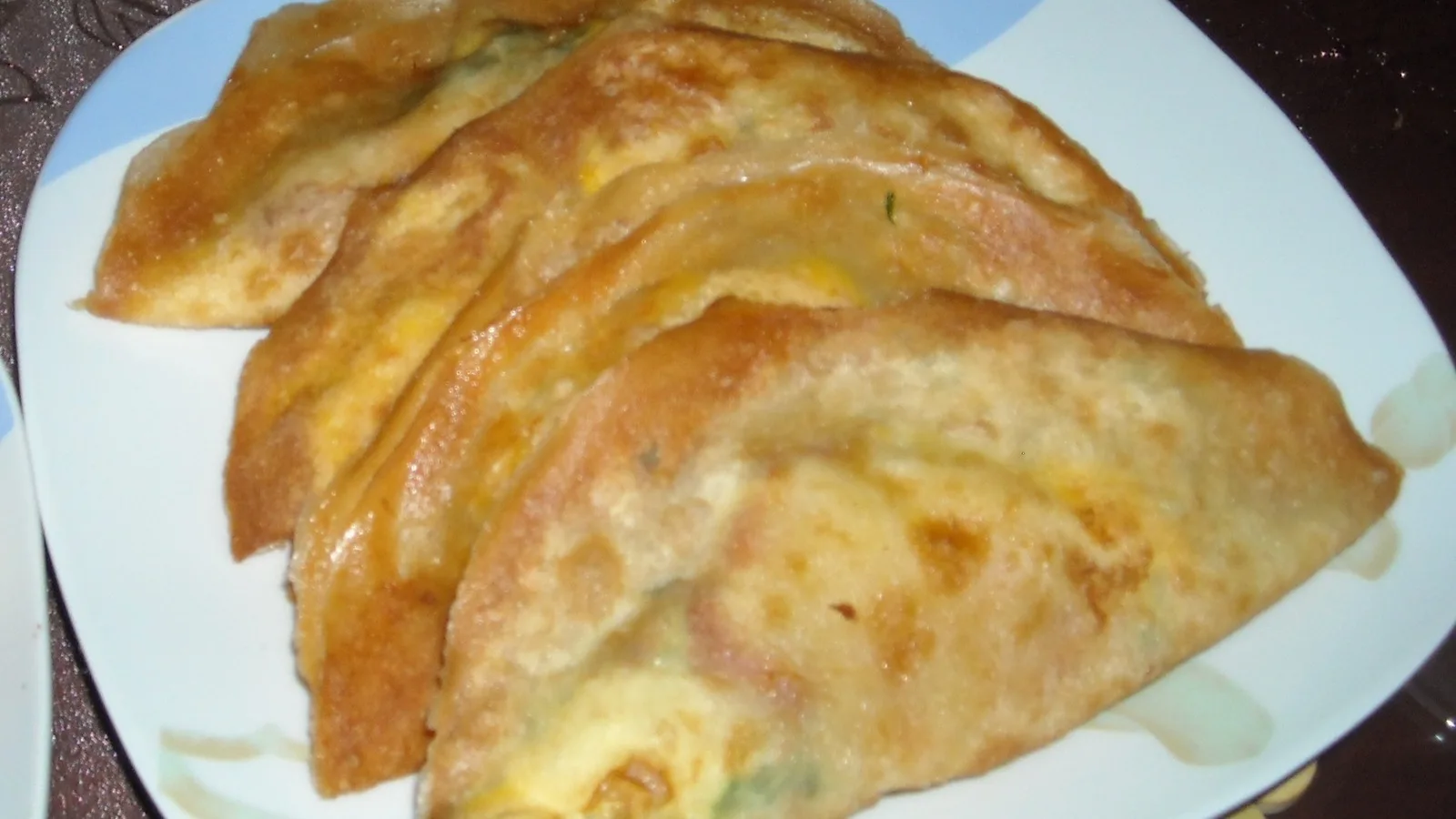
Brik is the dish to try first: a paper thin sheet of pastry folded around egg and usually tuna, deep fried so that the yolk is still liquid when it reaches you. Eating one without wearing it is a skill, and standing up helps.
Couscous here is frequently made with fish rather than lamb, which is a coastal country's answer to an inland dish. Lablabi is a chickpea soup poured over torn bread with cumin, harissa and a soft egg, sold cheaply and eaten early. Ojja is eggs poached in a tomato and pepper sauce with merguez or shrimp. Olive oil is everywhere and is excellent, because Tunisia is one of the great olive countries.
At the table
Vegetarians do better in Tunisia than in much of the region, because so much of the everyday cooking is built on chickpeas, eggs, peppers and oil.
- Harissa is hotter than it looks. Try a little before you stir a spoonful into anything.
- Bread is a utensil. It arrives without being ordered and it is not a starter.
- Eat with the right hand, particularly from a shared dish.
- Mint tea, often with pine nuts, closes a meal. Refusing all of it is harder than accepting some.
- Alcohol is served in licensed hotels and restaurants and is not part of most meals.
- Tap water is not the safe default. Bottled is normal and cheap.
Sources and references
- UNESCO Intangible Cultural Heritage: Tunisia
- UK FCDO: Tunisia health advice
- Tunisian National Tourist Office
The inscriptions named here are on the UNESCO Representative List and were read from the intangible heritage register for Tunisia on 19 August 2026. Harissa was inscribed in 2022, the date palm in 2022 and Arabic calligraphy in 2021; couscous and Charfia fishing were both inscribed in 2020 and Sejnane pottery in 2018.