Culture
Tunisia Culture and Etiquette Guide
Tunisia is Arab, Amazigh and Mediterranean at once, and its craft traditions are inscribed heritage rather than souvenir production.
- Country Tunisia
- Category Culture
- Reviewed 20 August 2026
- Sources 4
- Length 2 min read
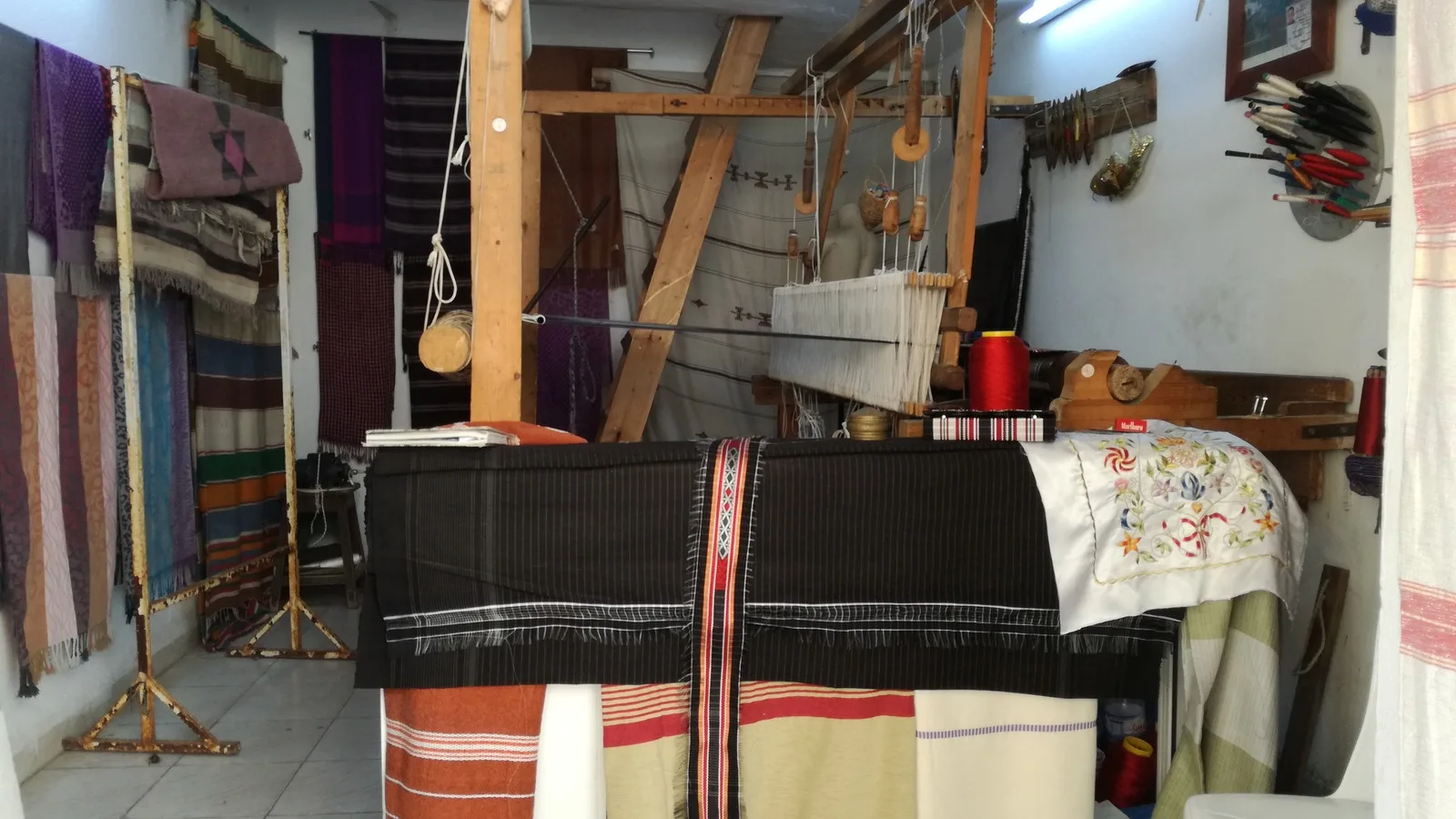
Credit Meriem Mach, CC BY-SA 4.0, via Wikimedia Commons
Tunisia is the most Mediterranean of the Maghreb countries and the least often described on its own terms. Arabic is the official language and Tunisian Arabic is what you will hear; French is widespread in business and on signage; Amazigh is spoken in the south and on Djerba. The country has been Phoenician, Numidian, Roman, Arab, Ottoman and French, and it does not present any one of those as the whole story.
Craft is a training system
The weaving workshops of Mahdia and Kairouan, the ceramics of Nabeul and the pottery of Sejnane are not souvenir production. Sejnane in particular is on the UNESCO Representative List: the pottery skills of the women of Sejnane, inscribed in 2018, a hand built and open fired tradition in the northwest that is made and taught by women.
Tunisia's intangible list is unusually craft heavy. Alongside Sejnane it carries the arts and skills of engraving on metals, and Arabic calligraphy, both shared with other states. Watching in a workshop is normally welcome. Photographing the person working is a different request and should be made as one.
What is expected
The photography rule about official buildings is law rather than etiquette and is enforced.
- Cover shoulders and knees away from the beach resorts, and particularly in Kairouan and small inland towns.
- Non-Muslims cannot enter the prayer hall of the Great Mosque of Kairouan, though the courtyard is open at set hours.
- Greet before transacting. Going straight to a price reads as rude.
- Bargain in the souq, as a conversation rather than a contest.
- Ask before photographing people, and never photograph government buildings or military sites.
- Public displays of affection are unwise, and same-sex sexual activity is illegal under Tunisian law.
- Remove shoes where your host does, and use the right hand for eating and giving.
Sources and references
- UNESCO Intangible Cultural Heritage: Tunisia
- UNESCO World Heritage Centre: Djerba, testimony to a settlement pattern
- UNESCO World Heritage Centre: Kairouan
- UK FCDO: Tunisia travel advice
Inscriptions were read from the UNESCO intangible register for Tunisia on 19 August 2026. Sejnane pottery was inscribed in 2018; the metal engraving and calligraphy entries are 2023 and 2021 respectively. Local law and photography restrictions are from the FCDO advice updated 24 July 2026.