Heritage
Vallée de Mai: Visitor and Heritage Guide
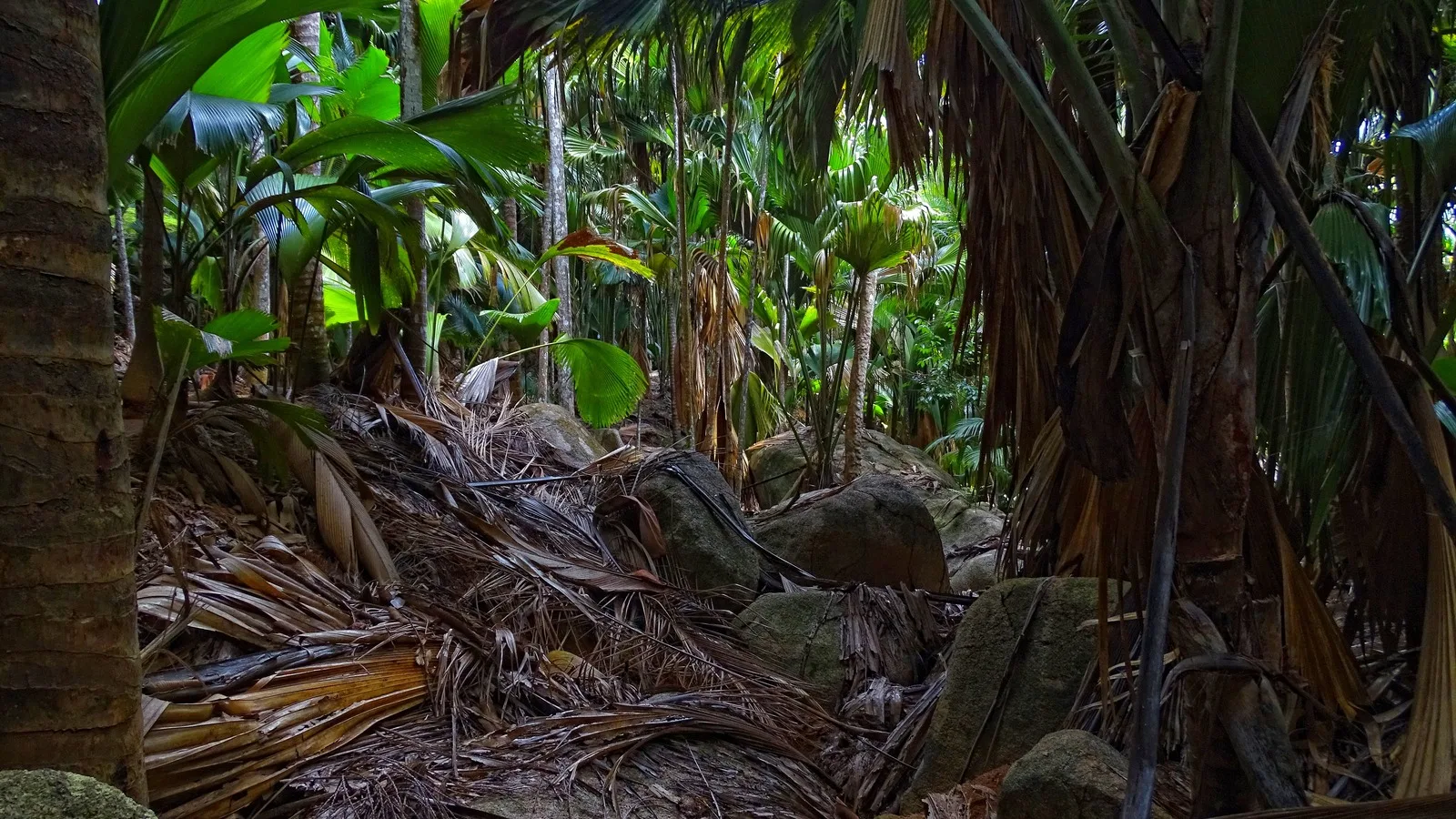
A palm forest on Praslin kept almost in its original state, and home to the coco de mer, which produces the largest seed in the plant kingdom.
- Country Seychelles
- Category Heritage
- Reviewed 20 August 2026
- Sources 3
- Length 1 min read
Credit Bjørn Christian Tørrissen, CC BY-SA 4.0, via Wikimedia Commons
Inscribed in 1983 under criteria seven, eight, nine and ten, the Vallée de Mai Nature Reserve is the second of Seychelles' two World Heritage properties and the one most visitors actually see.
What it is
UNESCO places it in the heart of the small island of Praslin, and says the reserve holds the vestiges of a natural palm forest preserved in almost its original state.
Vestiges is the word to notice. This is a remnant, not a wilderness: what stands here is what was left when the rest of the island's palm forest was cleared, and it was protected late enough that the protection is the reason it exists.
Practical
- The reserve is on Praslin, reached from Mahé by sea or by air.
- It is forest floor over roots and granite. Walking shoes rather than sandals.
- This is the reserve that carries the World Heritage inscription. Praslin has more than one place to see coco de mer palms, and only this one is inscribed.
- No part of Seychelles is advised against by the FCDO, and the country is US Level 1.
Sources
- UNESCO: Vallée de Mai Nature Reserve, inscribed 1983
- UNESCO: World Heritage properties in Seychelles
- US State Department travel advisories
Site description, criteria and inscription date read from UNESCO on 20 August 2026, together with the Seychelles states parties page. Advisory position from the UK FCDO and the US State Department.