Benin
Three World Heritage sites, and the largest of them is inside a Do Not Travel zone
- Region West Africa
- Country Benin
- Type Country
- Reviewed 13 August 2026
- Sources 5
- Length 5 min read
Credit Ingeborg Korme, Unsplash
Why Benin
Benin is usually introduced through one story, and it is a story worth telling: this is where Vodun comes from, and the coast at Ouidah is one of the places from which enslaved people were shipped. But a country is not one story, and Benin’s three World Heritage inscriptions point in three different directions.
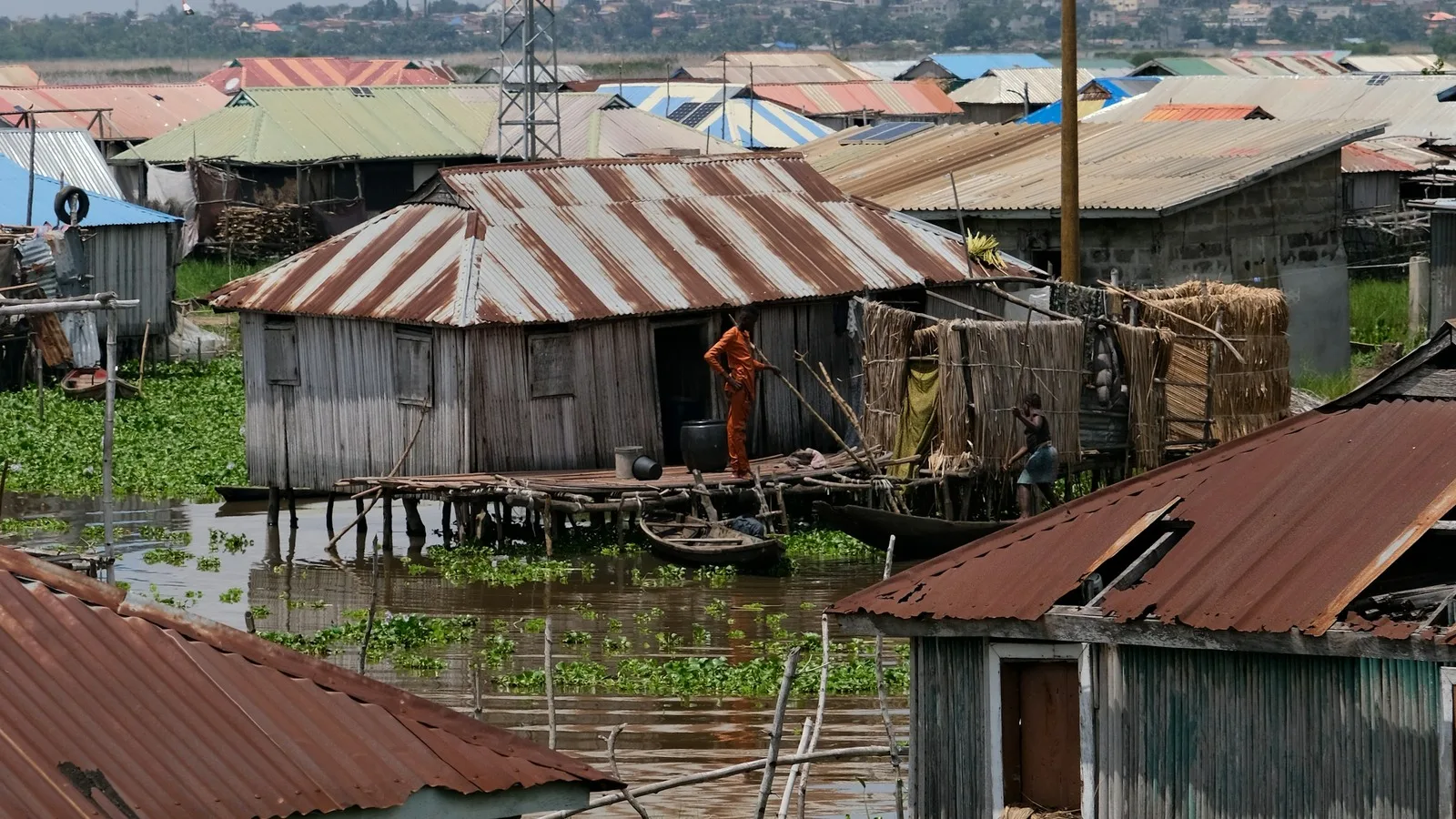
The hero photograph is Ganvie, a village on stilts above Lake Nokoue. It is not inscribed and it is not a museum. People live there, and the houses in the picture are houses.
The palaces of Abomey
Between 1625 and 1900, twelve kings ruled the Kingdom of Abomey in succession. Eleven of them built their palaces inside the same walled area, in cob, following the arrangement and the materials of the palaces already standing. King Akaba is the exception; he had his own enclosure.
UNESCO calls the result a unique reminder of a kingdom that no longer exists. What makes it unusual as a site is the compression: nearly three centuries of a single dynasty, each ruler adding to one enclosure rather than replacing what came before, so the sequence is legible in the ground plan.
W-Arly-Pendjari, and why this page will not send you there
W-Arly-Pendjari is a transnational property. Benin and Burkina Faso extended it in 2017 onto the W National Park of Niger, which had been inscribed in 1996. It is Sudano-Sahelian savannah: grassland, shrubland, wooded savannah and long gallery forests, and UNESCO describes it as the largest and most important continuum of terrestrial, semi-aquatic and aquatic ecosystems in the West African savannah belt.
It holds the largest elephant population in West Africa, along with the African manatee, cheetah, lion and leopard, and it is a refuge for species that have gone from the rest of the region. UNESCO records that it harbors the only viable lion population in West Africa. That is a remarkable sentence, and it is also a warning about everywhere else.
It is in the north, in the zone the current advisory tells travelers not to enter for any reason. So this page describes it and stops there. It is worth knowing that it exists, and worth knowing why you are not being offered it.
Food
Maize is the base, most often as a soft dough eaten with sauce. Pate rouge takes its color from tomato and palm oil, peanut sauces are everywhere, and on the lake at Ganvie the fish is grilled and eaten immediately.
Practical orientation
French is the official language, and Fon and Yoruba are widely spoken. The currency is the CFA franc. Cotonou has the international airport, and Abomey and Ganvie are both reachable from it.
Benin operates an official electronic visa platform. Requirements vary by nationality and change, and that platform is the authority on them, not this page.
This page states no entry, health or security requirements, and is not advice. Check your own government’s current guidance before making any decision.
Sources and references
- UNESCO World Heritage Centre: Benin, States Parties
- UNESCO World Heritage Centre: Royal Palaces of Abomey
- UNESCO World Heritage Centre: W-Arly-Pendjari Complex
- UNESCO Intangible Cultural Heritage: Oral heritage of Gelede
- e-Visa: official visa application platform, Republic of Benin
These are the authoritative references for the heritage this page discusses; each was checked at source on 13 August 2026. Practical details (entry rules, health guidance, opening times) change constantly. The bodies listed here are authoritative and this page is not.