Togo
One World Heritage site, and it does not stop at the border
- Region West Africa
- Country Togo
- Type Country
- Reviewed 13 August 2026
- Sources 4
- Length 4 min read
Credit Erik Kristensen, CC BY 2.0, via Wikimedia Commons
Why Togo
Togo is narrow, about fifty kilometers wide at the coast, and long. It has one World Heritage property, which is the fewest of any country in this batch, and that single inscription is unusually good.
It is also shared. Koutammakou was inscribed for Togo and the same cultural landscape continues into Benin, which is a useful corrective to the habit of reading African countries as though the borders drawn over them were the units that matter. The Batammariba did not build to a national plan.
Koutammakou
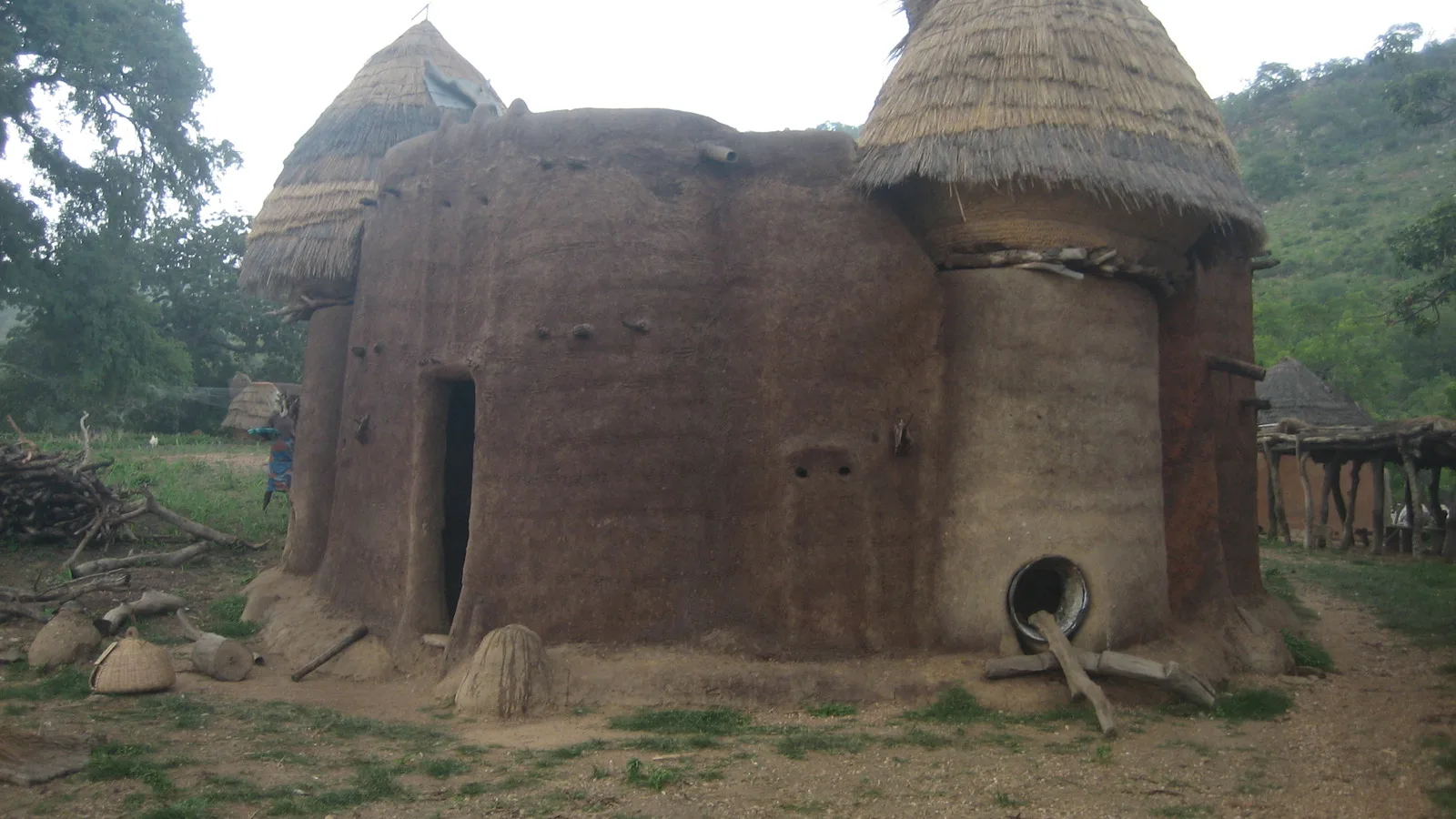
The property is in northeastern Togo and neighboring Benin, and it is the home of the Batammariba. UNESCO describes nature as strongly associated with the rituals and the beliefs of the society, and lists three things that make the landscape exceptional together: the architecture of the tower-houses, the farmland and forest around them, and the association between the people and the place.
It is a living landscape. The buildings in it are lived in, the ceremonial spaces are used, and the initiation sites are not exhibits. Read the advisory block at the top of this page before planning a visit.
Gelede, which Togo shares with two neighbors
Togo is one of three States Parties to the Gelede inscription, with Benin and Nigeria. It is a Yoruba-Nago masked tradition, danced at night after the harvest and at moments of crisis, honoring the primordial mother Iya Nla and the role of women. UNESCO calls it the only known masked society that is also governed by women.
The Benin hub carries the fuller account, including the part of the inscription that names tourism as a threat to it.
Food
Fufu, pounded until it is smooth, is eaten with soup rather than chewed. Ademe is a sauce of jute leaves, thick in a way that takes some getting used to and then does not. On the coast at Lome the fish is grilled simply and is very good, and maize appears at most meals in one form or another.
Practical orientation
French is the official language. Ewe and Kabye are widely spoken. The currency is the CFA franc. Lome has the international airport and sits on the coast at the Ghanaian border, which makes overland movement between the two straightforward.
Togo operates an official government travel portal covering entry formalities. Requirements vary by nationality and change, and that portal is the authority on them, not this page.
This page states no entry, health or security requirements, and is not advice. Check your own government’s current guidance before making any decision.
Sources and references
- UNESCO World Heritage Centre: Togo, States Parties
- UNESCO World Heritage Centre: Koutammakou, the Land of the Batammariba
- UNESCO Intangible Cultural Heritage: Oral heritage of Gelede
- Voyage Togo: official government travel portal
These are the authoritative references for the heritage this page discusses; each was checked at source on 13 August 2026. Practical details (entry rules, health guidance, opening times) change constantly. The bodies listed here are authoritative and this page is not.