History and Archaeology
- Experience History and Archaeology
- Reviewed 28 July 2026
- Length 1 min read
Credit Unsplash
About this kind of travel
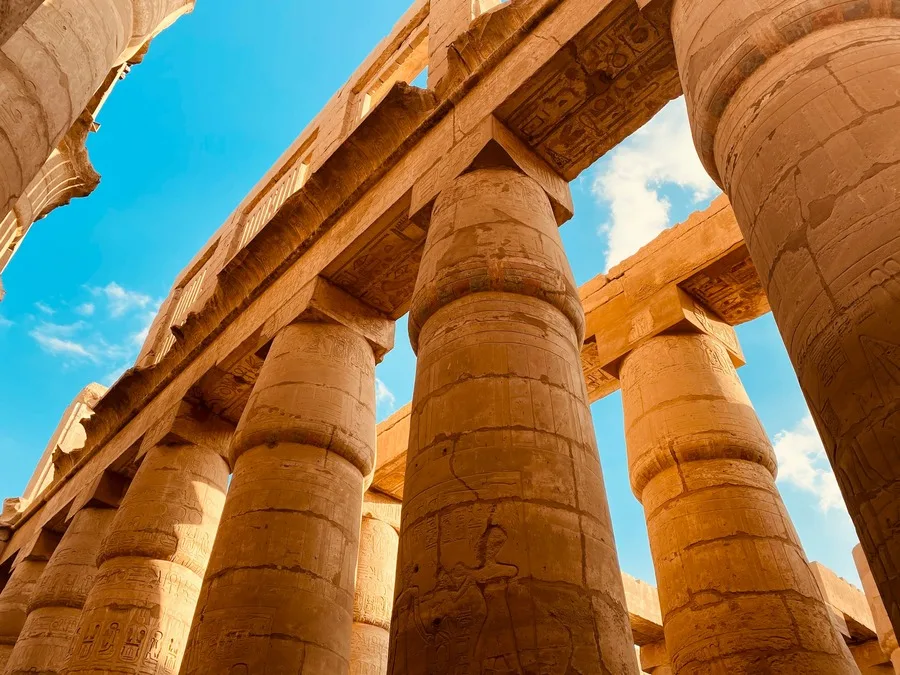
Africa holds the longest human record on earth, and a great deal more history than the pharaonic monuments that dominate the popular image.
The Cradle of Humankind near Johannesburg and the Rift Valley sites of Kenya, Tanzania and Ethiopia hold hominin fossils spanning millions of years. Great Zimbabwe was the capital of a trading state whose stonework was built without mortar. The rock-hewn churches of Lalibela were cut downward into solid rock. Timbuktu held manuscript libraries when it was a center of learning on the trans-Saharan routes.
Much of this was actively denied by colonial-era scholarship, which struggled to attribute African monumental architecture to Africans. That historiography is itself worth knowing about before you visit.