Egypt Currency and Money Guide
- Country Egypt
- Guide Budget
- Reviewed 16 August 2026
- Length 3 min read
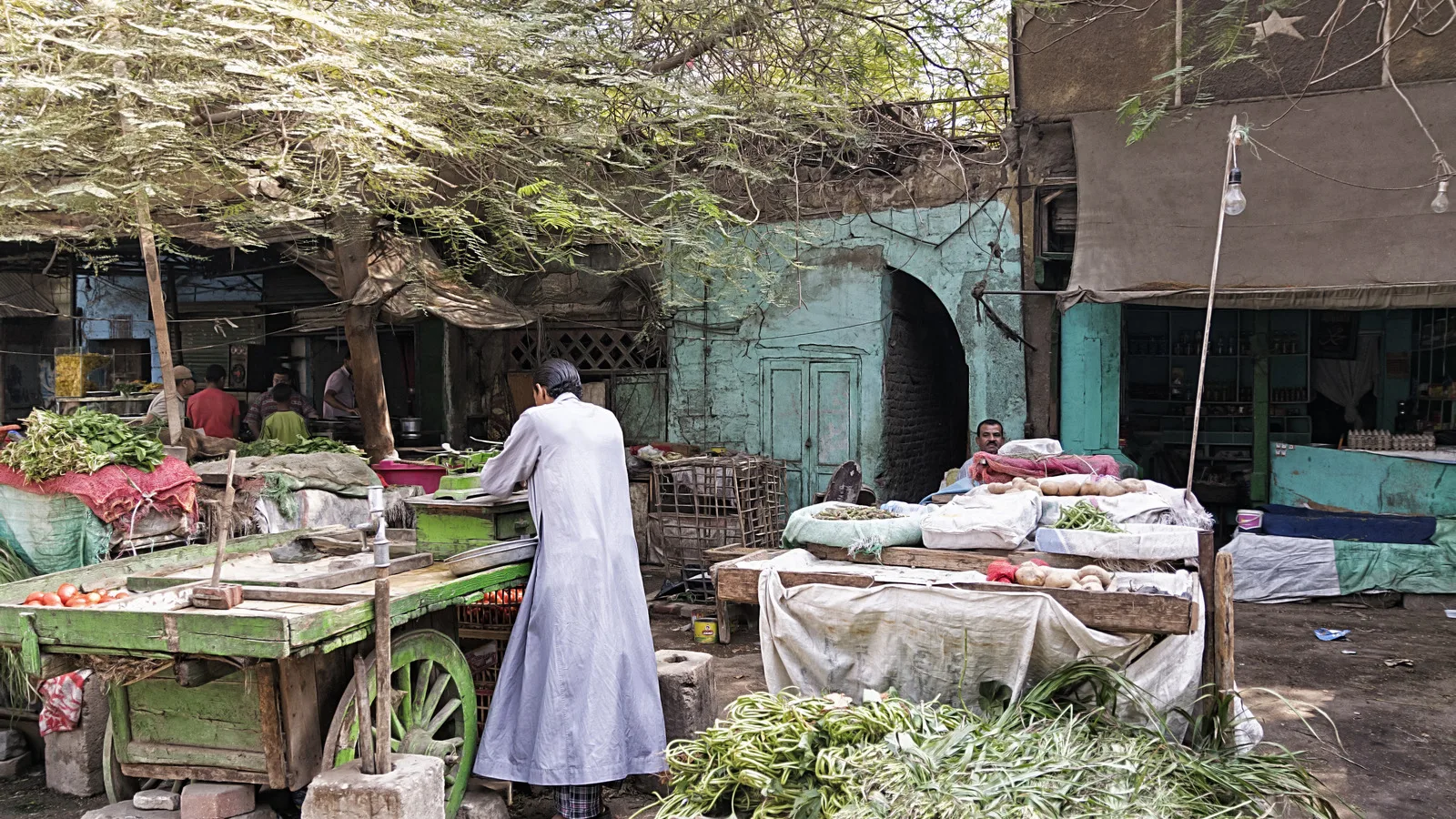
Credit Wael.kenawey, CC BY-SA 4.0, via Wikimedia Commons
Last reviewed 16 August 2026
Egypt is a cash country with a growing card layer over the top of it. The card layer covers hotels, chain restaurants and organized tours. Almost everything else, and certainly everything interesting, wants notes.
The currency
The currency is the Egyptian pound, written EGP and often shown as LE, from the French livre egyptienne. It divides into a hundred piastres. The Central Bank of Egypt issues the notes and coins.
The pound has moved a great deal against major currencies in recent years. That is exactly why no rate appears on this page: any figure written here would be wrong within weeks, and a reader has no way of telling how stale it is. Check on the day.
Cards, cash and small notes
Carry more small denomination notes than feels necessary. Tipping is constant, entry to smaller sites is often cash, taxis are cash, and nobody ever has change. Breaking a large note is a recurring minor problem that a habit of hoarding small ones solves.
ATMs are widespread in cities and at resorts and thinner elsewhere. They impose their own withdrawal limits. Use machines attached to a bank or inside a hotel rather than one standing on a street, which is ordinary caution rather than an Egypt specific warning.
Baksheesh, and how to think about it
Baksheesh is the word, and it covers tipping, alms and a small payment for a small service. It is not a scam and treating it as one will make your trip worse. It is a real part of how a lot of people are paid, and it is also, at tourist sites, sometimes pushed harder than is comfortable. A friendly no is understood.
- Restaurants: a service charge is often on the bill already, and a further small tip is normal
- Guides and drivers: expected, and for a good Egyptologist genuinely earned
- Someone who carries a bag, opens a gate or points out a detail: a small note
- Site staff who offer to show you a closed chamber: this is not an official service, and declining is fine
- Hotel housekeeping: small notes, left daily rather than at the end
Scams and pressure selling
The FCDO notes that pickpocketing is rare in Egypt but that scammers and touts operate in tourist areas, which matches what most visitors report: you are far more likely to be talked into something than to have anything taken.
The usual forms are a helpful stranger who leads you to a particular shop, a quoted price that changes at the end, and a camel or carriage ride whose agreed fare turns out to have been one way. Agree everything, in numbers, before it starts.
Budgeting
Egypt is inexpensive for food, transport and local services and not inexpensive for the things most visitors actually come for. Site entry has risen steadily, a Nile cruise is priced internationally, and a private Egyptologist for a day is a professional fee.
Budget generously for guiding in particular. It is the line item that most changes the quality of a trip here.