Egypt Packing List
- Country Egypt
- Guide Packing
- Reviewed 16 August 2026
- Length 2 min read
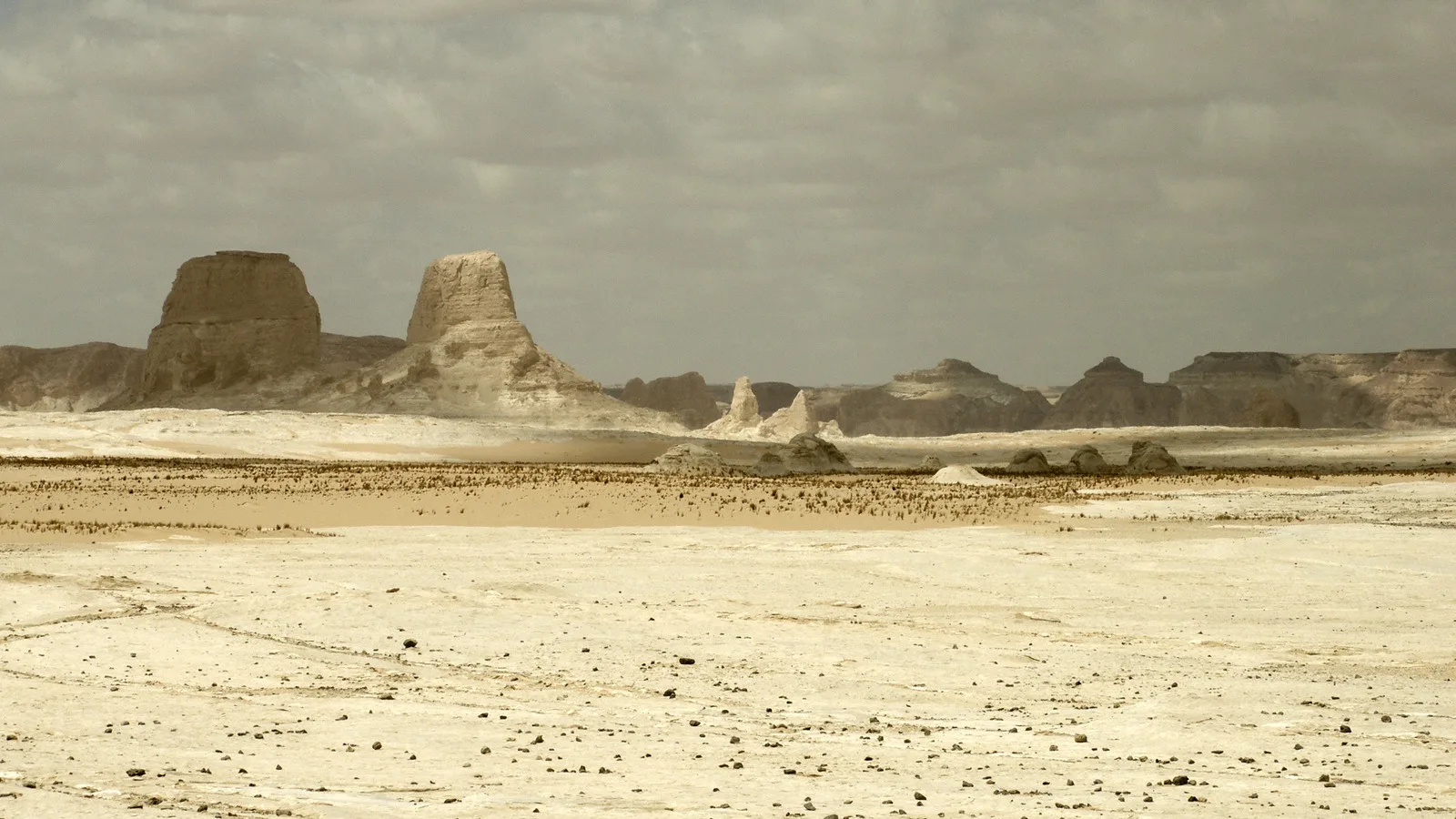
Credit Vyacheslav Argenberg, CC BY 4.0, via Wikimedia Commons
Last reviewed 16 August 2026
Most of Egypt is desert, and desert means a wide daily temperature range rather than uniform heat. The other three facts that shape a suitcase here are dust, sun and the amount of uneven stone you will walk on.
Heat, and then cold
Summer in Upper Egypt is genuinely extreme, and the middle of the day at Luxor or Aswan in July is not sightseeing weather. Winter days are mild and pleasant and winter nights, particularly in the desert and on the river, are cold. A Nile cruise deck after dark in January wants a proper layer.
Sun protection is not optional. There is very little shade at most sites, the middle of the day is when tour buses arrive, and a brimmed hat does more for you than a cap.
The things people wish they had brought
- A brimmed hat, sunglasses and high factor sun protection
- A warm layer for evenings, especially in winter and on the river
- A scarf, which covers shoulders, keeps dust out and shades a neck
- Closed shoes with grip, because tomb floors and temple stone are uneven and polished
- A refillable water bottle, and the discipline to keep it full
- Hand sanitizer and tissues, because public washrooms often have neither
- A flashlight or a headtorch for unlit tomb interiors
Dressing for the country you are in
Egypt is a conservative country and dress is the most visible way a visitor either respects that or does not. Shoulders and knees covered is the working rule for both men and women away from the resorts. It is also, incidentally, the cooler option.
Mosques require modest dress and women should carry a scarf for the head. Shoes come off. The Red Sea resorts operate by different rules within their own boundaries, and those rules stop at the gate.
If you are going to the desert or on the river
- A dust proof bag or case for a camera, because fine sand gets into everything
- Lip balm and moisturizer, because the air is drier than you expect
- A power bank, since long site days are hard on a phone
- Layers rather than one heavy garment, because the swing is large
- Swimwear for a hotel pool, kept separate from what you wear to a temple
What not to bother with
Do not bring a drone. Drone offenses in Egypt carry penalties up to seven years, and the rules on photographic equipment are stricter than most visitors expect: a permit is required for professional gear, and photographing military sites, including the Suez Canal, is prohibited outright.
Everyday toiletries and medicines are widely available and cheaper than at home. Bring what is specific to you, in its original packaging with the prescription, and buy the rest.