Culture
Egypt Culture and Etiquette Guide
A conservative, hospitable and very sociable country where dress, photography and the word for tipping are the three things visitors most often get wrong.
- Country Egypt
- Category Culture
- Reviewed 16 August 2026
- Sources 3
- Length 2 min read
Credit Vyacheslav Argenberg, CC BY 4.0, via Wikimedia Commons
Egypt is welcoming in a way that can feel overwhelming at first: you will be spoken to constantly, offered things constantly, and asked where you are from more times in a day than at home in a year. Almost all of it is genuine.
Language, and the greeting
The language is Arabic, and the Egyptian dialect is the one most widely understood across the Arab world because of a century of Egyptian film and music. English is common in tourism and much less so away from it.
A few words go a very long way. Salaam alaikum as a greeting, shukran for thank you, and la shukran, no thank you, which is the single most useful phrase a visitor can learn and will use daily with the touts. Say it pleasantly and keep walking.
Dress, and religion
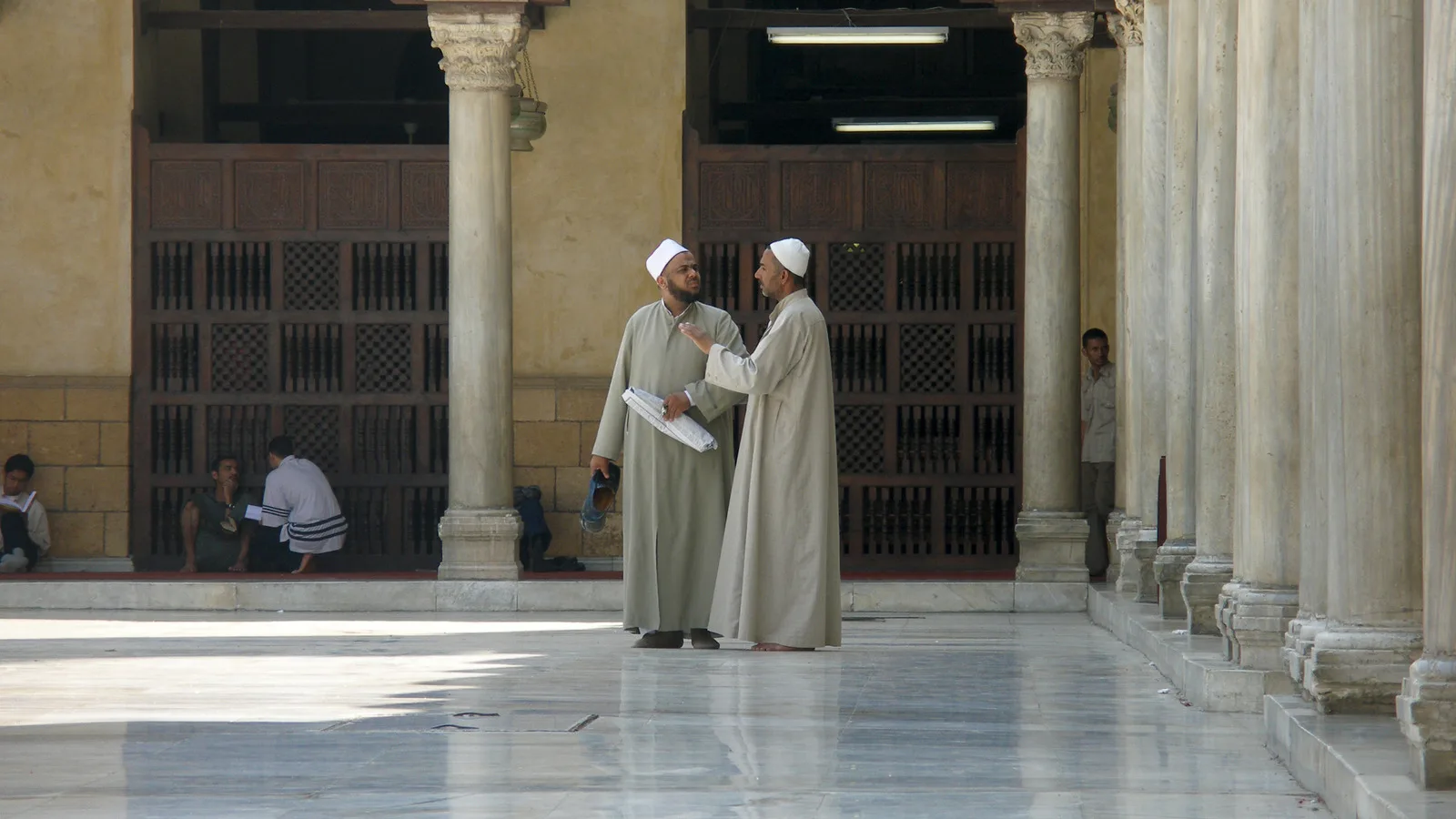
Egypt is a Muslim majority country with a substantial and ancient Coptic Christian minority. Both are visible and both matter. Prayer is public and audible, and the working week is built around Friday.
Modest dress is the norm for men and women away from the beach resorts: shoulders and knees covered. Women should carry a scarf for mosque visits, where shoes also come off. The resorts on the Red Sea run by their own conventions, and those conventions stop at the resort gate rather than extending to the nearest town.
Photography, which is not a soft rule
This is where visitors get into real difficulty. It is illegal in Egypt to take or share photographs considered damaging to the reputation of the country. Military sites, including the Suez Canal, may not be photographed at all. Professional equipment needs a permit and drones can bring a prison sentence.
The everyday version is simpler: ask before photographing a person, expect to be asked for a small payment if you do, and do not photograph checkpoints, soldiers, police or anything that looks official. A camera pointed at poverty is resented here as it would be anywhere.
Practical courtesies
- Greet before you ask for anything, and expect the greeting to take a moment
- The right hand for eating, giving and receiving
- Ask before photographing anybody, and accept a refusal
- Shoulders and knees covered away from the resorts, and a scarf for mosques
- Public affection between couples is not the norm and attracts attention
- A firm and friendly no is understood, and a polite non answer is heard as yes
- Baksheesh for a small service is normal, and having small notes makes it painless
Hospitality, and the persistence
Egyptian hospitality is real and generous, and it sits alongside the most persistent tourist economy in the region. Both are true at once and learning to tell them apart is most of what a first visit teaches.
The rough test is whether something is being sold. An invitation to tea from a shopkeeper is usually the start of a transaction; an invitation from somebody with nothing to sell is usually exactly what it appears to be, and is worth accepting.
Sources
- UK FCDO: Egypt safety and security
- Egyptian Ministry of Tourism and Antiquities: the custodian of the monuments
- UK FCDO: Egypt travel advice
The orientation article What to Know Before Visiting Egypt covers which layers of the country an itinerary should contain, and An Introduction to Egypt is written by an Egyptologist based in Cairo.