Ethiopia Packing List
- Country Ethiopia
- Guide Packing
- Reviewed 20 August 2026
- Length 2 min read
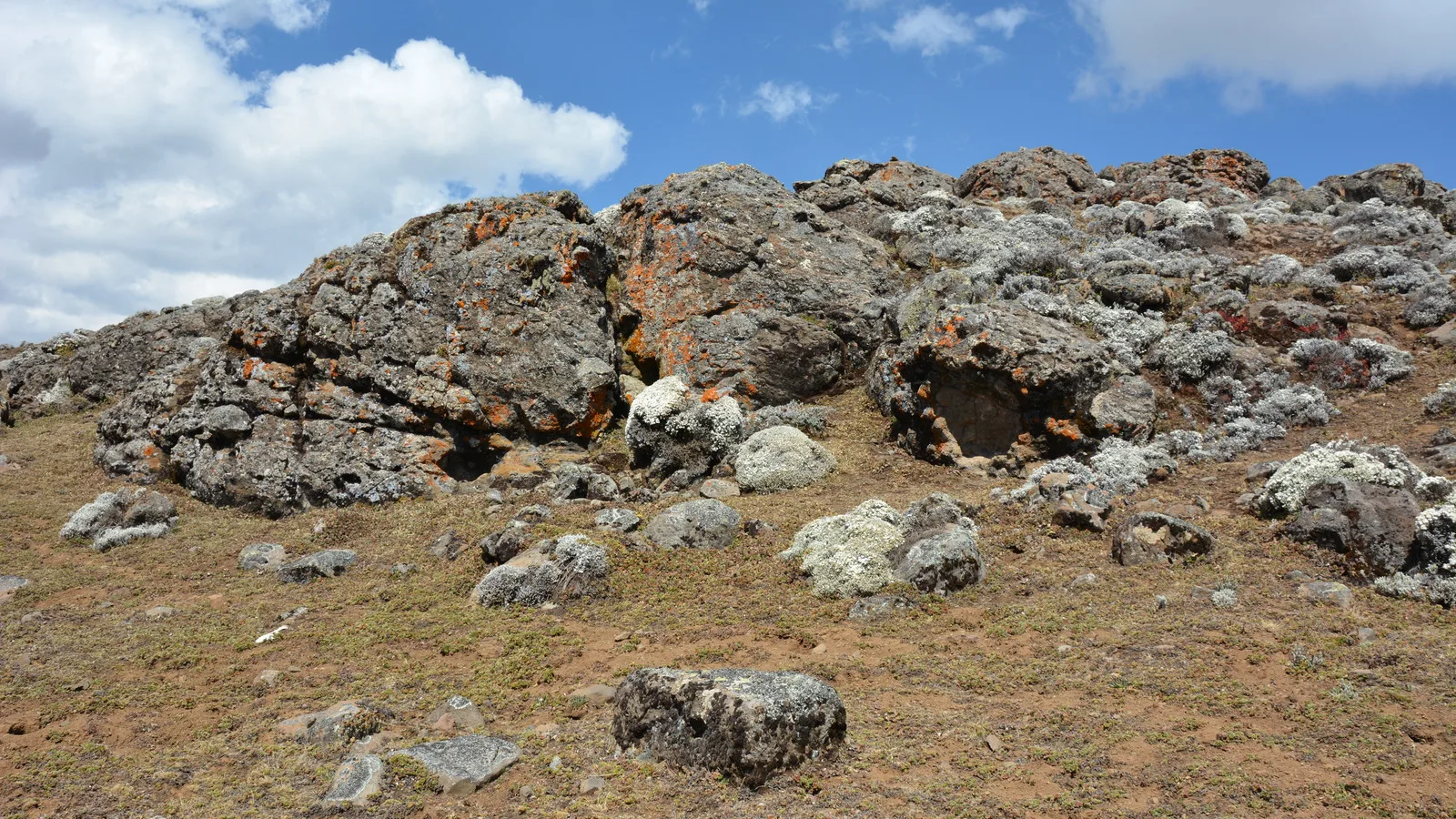
Credit Laika ac, CC BY-SA 2.0, via Wikimedia Commons
Last reviewed 20 August 2026
Two facts shape an Ethiopian packing list more than any preference does: the country sits high, and medical care outside the capital is thin. Everything below follows from those.
The 2,500 meter line
The CDC recommends that travelers to certain areas of Ethiopia take prescription medicine to prevent malaria, and it draws the transmission line at all areas below 2,500 meters, about 8,200 feet. It also records chloroquine resistance, which decides which medicine is appropriate.
That line runs straight through this cluster. Harar, the Konso highlands and the Awash valley are all below it. So a flat answer of yes or no is useless here; what you need is your own route read against an elevation map, and a conversation with a travel clinic several weeks before you go rather than the week you leave.
The medical pack
The FCDO states that only private hospitals in Addis Ababa offer a reasonable standard of basic care for minor problems, that dentistry is especially scarce, that ambulance services are limited, and that outside the capital medical facilities are extremely poor. That is a stronger statement than most countries receive, and it is why the kit is not optional.
- A comprehensive medical kit, which the FCDO specifically advises carrying whenever you travel outside Addis Ababa.
- Prescription medicine in its original labeled packaging, with enough for the whole trip and some spare.
- Malaria prophylaxis if your route takes you below 2,500 meters, chosen with chloroquine resistance in mind.
- Oral rehydration salts. The CDC records active cholera transmission as widespread in Ethiopia.
- Insurance documents you can reach without a signal, including the medical evacuation clause.
For the altitude and the light
- Layers. Ethiopian highland days are warm and the nights at altitude are genuinely cold.
- Sun protection at strength. Thin air at elevation burns faster than the temperature suggests.
- Walking shoes with grip. Lalibela, Harar and the Konso terraces are all uneven stone underfoot.
- A headlamp or torch, and a power bank. Roads, internet and mobile networks are all subject to temporary closure.
- Modest clothing that covers shoulders and knees for churches, mosques and shrines.
One thing to leave at home, or to clear first
Do not pack binoculars, a satellite phone or a drone without prior approval from the Customs and Information Network and Security Agency. Unapproved items can be confiscated, and while you may be able to collect them when you leave, the FCDO says that is not guaranteed.
For a birding destination of this quality that is a genuinely awkward rule, and it is better met before check in than at the customs desk.