Ghana Currency and Money Guide
- Country Ghana
- Guide Budget
- Reviewed 16 August 2026
- Length 3 min read
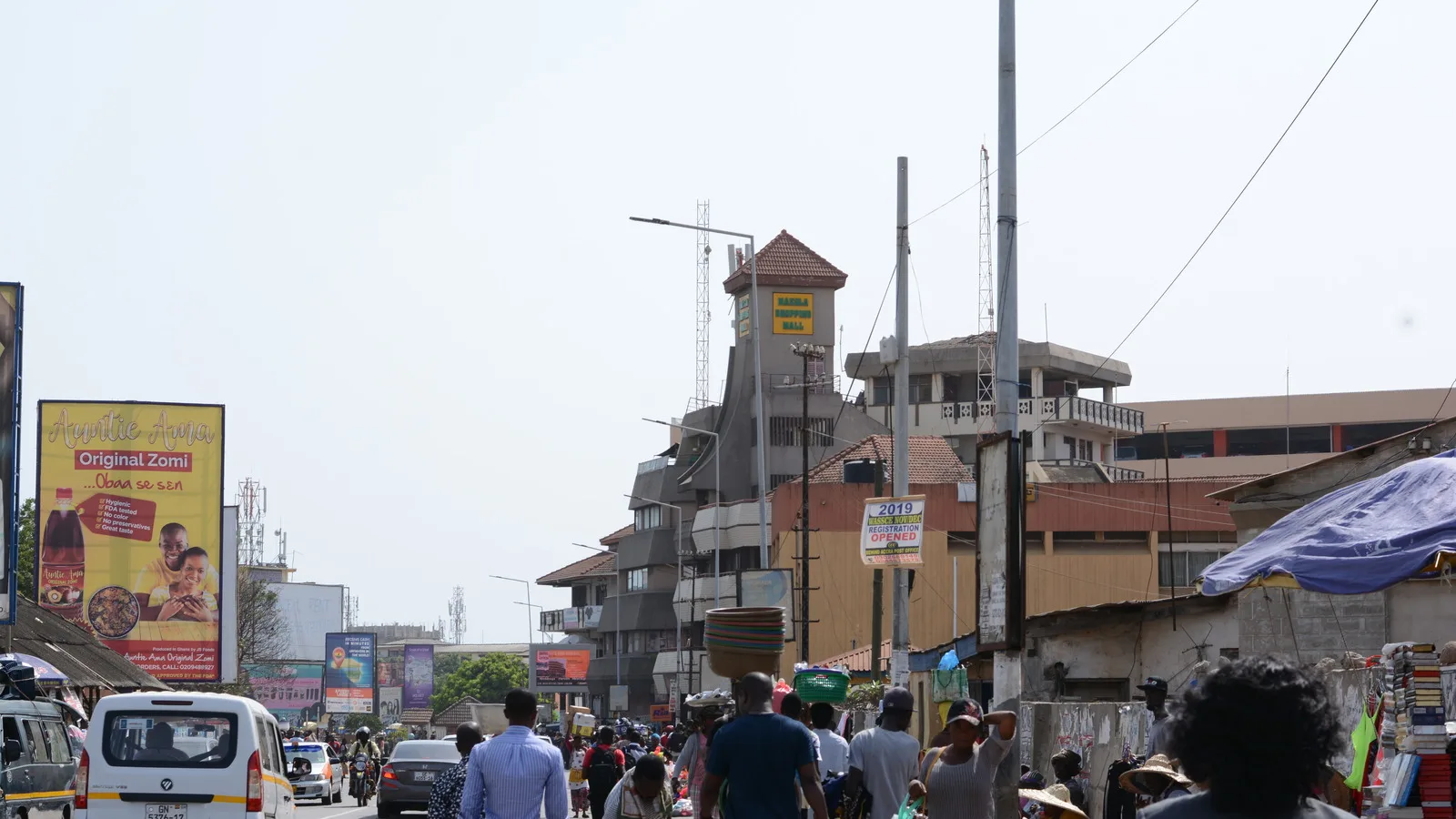
Credit Amuzujoe, CC BY-SA 4.0, via Wikimedia Commons
Last reviewed 16 August 2026
Ghana runs on a currency you cannot get hold of until you arrive, alongside a mobile money system most visitors have never used and most residents use daily. Neither fact is difficult once you know it. Both are awkward if you find out at the airport.
The currency
The currency is the Ghana cedi, written GHS and shown as a crossed C on prices. It divides into a hundred pesewas. The Bank of Ghana issues the notes and coins, and its site carries the current note designs and the security features, which is worth two minutes before you handle unfamiliar cash.
The cedi is not traded on the counters of foreign exchange desks abroad in any useful way, so plan to arrive with a hard currency to change rather than with cedis in hand. Rates move, and this guide deliberately quotes none: any number written here would be wrong by the time you read it, with nothing on the page to tell you so. Use a live converter on the day.
Cards and cash
Ghana is more of a cash economy than a card economy once you step outside hotels, established restaurants and larger supermarkets in Accra and Kumasi. Cards are accepted in those places and are unreliable everywhere else. Markets, tro-tro fares, small guesthouses, roadside food and most site entry are cash.
The third system is mobile money, and it is not a fringe payment method here. A great deal of everyday commerce moves through it, and vendors will often quote it as the default. It generally requires a local number and registration, which a visitor on a short trip may decide is not worth the errand. Knowing what is being offered is still useful.
ATMs and exchange
ATMs are common in Accra, Kumasi, Takoradi and the larger towns, and thin on the ground once you are properly rural. They dispense cedis, they impose their own withdrawal ceilings, and your bank at home will add its own charge. Draw larger amounts less often rather than small amounts daily, and tell your bank you are traveling before you go.
For changing cash, use a licensed forex bureau or a bank rather than someone who approaches you. Count the notes before you leave the counter. Bring clean, undamaged notes in your home currency: worn or marked bills are refused far more readily than travelers expect, and older series notes may not be accepted at all.
Tipping
Tipping is normal in Ghana without being obligatory or standardized. Small denomination notes are what make it possible, so break large notes when you get the chance rather than when you need to.
- Restaurants: a service charge is sometimes already on the bill, so read it before adding
- Guides at heritage sites: customary, and for a good guide it is genuinely deserved
- Drivers hired for a day: usual, and easier settled at the end than negotiated at the start
- Hotel staff who carry bags or clean rooms: small notes, given directly
- Taxis and tro-tros: not expected, though rounding up is common
Budgeting
Ghana is not the cheapest country in West Africa and travelers who arrive expecting it to be are usually recalibrating by day two. Accra hotel rates, imported goods and anything aimed at international visitors are priced accordingly. Local transport, local food and site entry are not.
The two costs that reliably surprise people are internal distance, because moving between the coast, Kumasi and the north eats both days and money, and the guided element of heritage sites, which is worth paying for properly. Budget for those two deliberately and the rest tends to look after itself.