Ghana Travel Safety Guide
- Country Ghana
- Guide Safety
- Reviewed 16 August 2026
- Length 3 min read
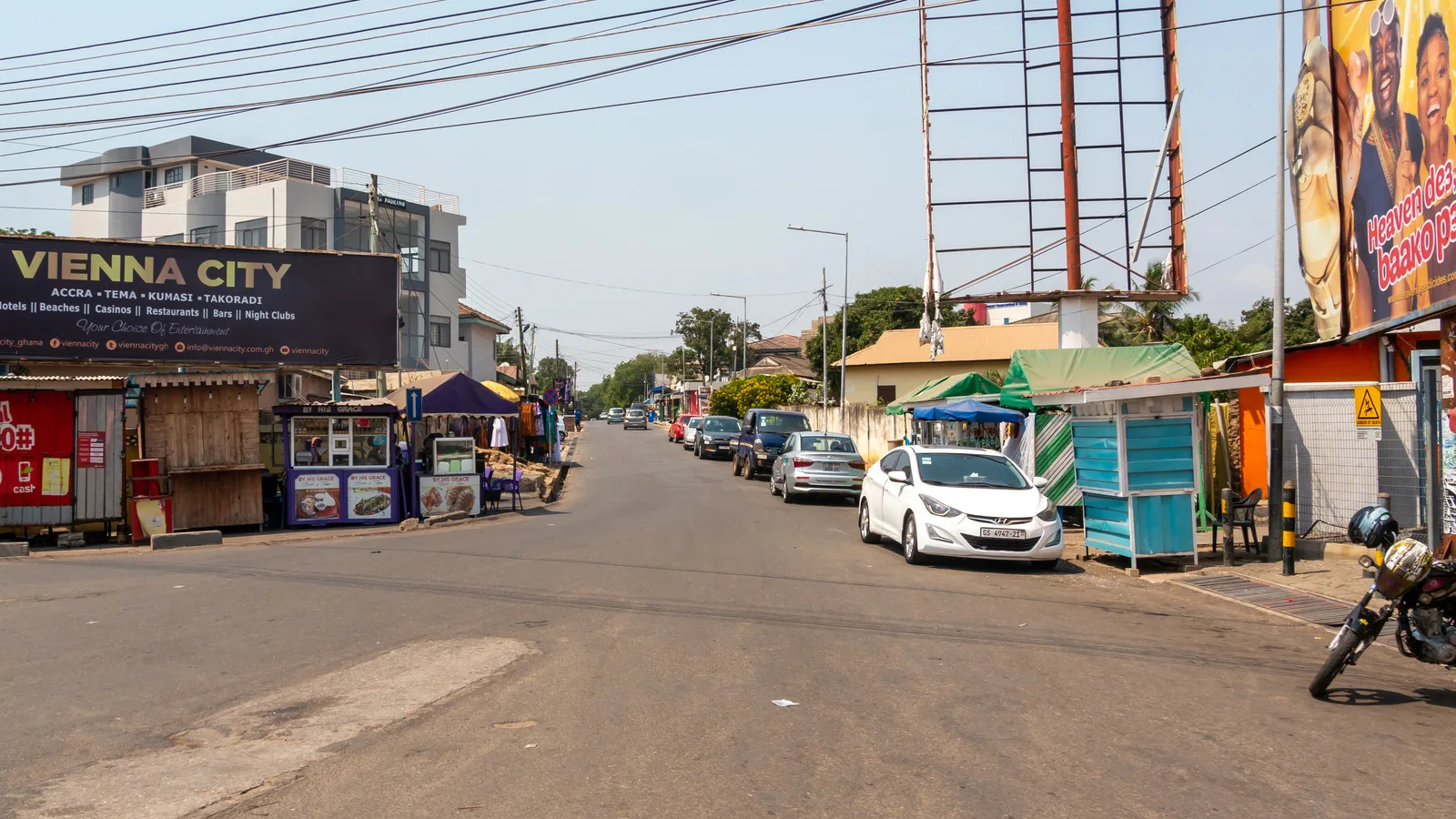
Credit Matti Blume, CC BY-SA 4.0, via Wikimedia Commons
Last reviewed 16 August 2026
Ghana is one of the more settled countries in West Africa to travel in, and that is the honest headline. It is not a country without risk, and the risks are specific and geographic rather than general, which makes them manageable if you know where they are.
General safety
The United States places Ghana at Level 2, Exercise Increased Caution, which is the second of four rungs and the same level a good deal of Europe sits on. The United Kingdom advises against all but essential travel to one specific area only, and offers ordinary advice for the rest of the country.
Day to day, the realistic concern is opportunistic crime rather than anything directed at you: bags taken in crowds, phones taken from open car windows in stopped traffic, and theft from rooms. Ordinary precautions cover almost all of it. Carry what you need and leave the rest where it lives, keep valuables out of sight in traffic, and be more careful at night and on beaches than you would be in daylight in a city.
Demonstrations happen, are usually policed without incident, and can change quickly. Avoid crowds and political gatherings rather than observing them. Local police may impose curfews at short notice, commonly overnight, and those are worth following exactly.
The one area to know about
The Bawku Municipal area in the Upper East region is the exception, and both governments treat it as one. The UK advises against all but essential travel there because of the number of violent incidents, additional military have been deployed, and curfews and roadblocks are frequent with the times changing at short notice.
The wider northern border matters too, and for a different reason. Armed groups operate in southern Burkina Faso close to the Ghanaian frontier and in northern Togo. Ghana itself has not seen attacks of that kind, and both governments are clear they cannot be ruled out. If your route goes near the northern border, read the current regional advice rather than this paragraph, which is a description of a moment.
Health and vaccinations
Ghana declared the end of a Marburg virus outbreak in September 2022, and it is named in current health advice as a risk to be aware of rather than an active emergency. Start the vaccination conversation with a travel clinic at least eight weeks out.
- A yellow fever certificate is required to enter, not merely recommended
- Malaria is present throughout the country all year, so take prophylaxis and avoid bites
- Dengue is present and there is no prophylaxis for it, so repellent does double duty
- Drink bottled or treated water, and be thoughtful about ice and raw salad early in a trip
- Medical facilities are poor outside the main towns and evacuation may be necessary
- Insurance that genuinely covers medical evacuation is not an optional extra here
Emergency contacts
- Ambulance, police and fire: 999 or 112
- Your travel insurer emergency line, saved offline as well as in a phone
- Your own embassy or high commission in Accra
- Your accommodation address written on paper, in case the phone is gone
Official advisories
Two governments publish continuously updated advice for Ghana and both are free. The US Department of State sets the level and explains what drove it. The UK FCDO is more granular on regions and tends to name specific municipalities. Reading both takes ten minutes and they occasionally disagree, which is itself informative.
Subscribe to updates rather than reading once. The advice for a country rarely changes on the day you were going to check it.