Ghana Visa and Entry Requirements
- Country Ghana
- Guide Visa and Entry
- Reviewed 16 August 2026
- Length 3 min read
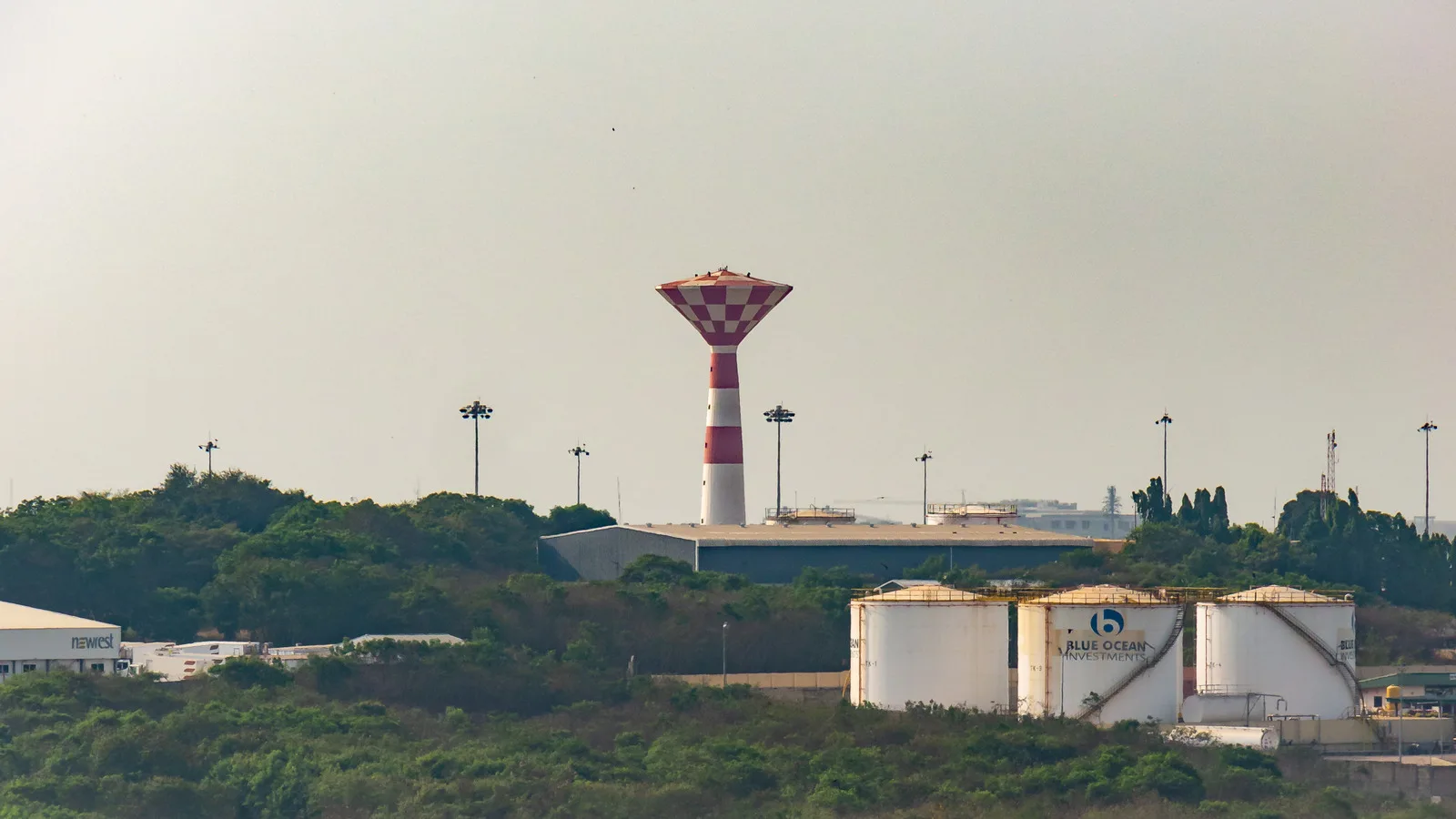
Credit Matti Blume, CC BY-SA 4.0, via Wikimedia Commons
Last reviewed 16 August 2026
Ghana is not a visa on arrival country for most visitors. The paperwork has to be done before you fly, and one of the requirements is medical rather than administrative, which catches people out more often than the visa itself does.
Who needs a visa
Assume you do. Ghana requires a visa in advance of travel for the large majority of nationalities, arranged through a Ghanaian embassy, high commission or consulate before departure. Holders of ECOWAS member state passports move under a different regional arrangement, and a handful of other exemptions exist.
Which category you fall into depends on your nationality, on the passport you actually travel on rather than the country you live in, and on why you are going. The Ghana Immigration Service sets those rules and the Ministry of Foreign Affairs runs the missions that issue the visas. Both are linked below. This page does not restate the categories, because they change and a stale list is worse than none.
How to apply
Applications go to the Ghanaian mission that covers where you live, and most now begin with an online form followed by supporting documents, some of which the mission may want on paper. Processing is measured in weeks rather than days at standard service, and some missions offer a faster paid route.
Two practical points. Apply to the mission for your jurisdiction, not the nearest one on a map, because they will return an application that is not theirs. And start earlier than you think you need to: the yellow fever certificate below has its own lead time, and it is part of the visa application, not something you sort out at the airport.
Documents to have ready
The list a mission publishes is the list that counts. Treat this as what to gather before you read theirs, not as a substitute for it.
- A passport valid for at least six months after the date you arrive, with blank pages
- The completed application form for your mission, online or on paper as they direct
- Passport photographs to the size and background the mission specifies
- A yellow fever vaccination certificate
- Evidence of where you are staying, and a return or onward ticket
- Whatever the mission asks for in addition, which varies by category and by post
On arrival
Most visitors arrive at Kotoka International Airport in Accra. Immigration will want the passport the visa was issued in, and biometric capture on entry is routine. Have your address in Ghana written down rather than on a phone you are about to be asked to put away.
To extend a stay, the Ghana Immigration Service handles extensions in person at its office on Independence Avenue in Accra. Do it before the stamp expires, not after. Foreign nationals living in Ghana, or resident for at least ninety days in a calendar year, have a separate registration obligation with the National Identification Authority.
Health requirements
A yellow fever vaccination certificate is a condition of entry to Ghana, and it is the requirement most likely to stop a trip. It is not a recommendation. The vaccination needs time to be valid and the certificate is usually asked for twice, once by the mission with your visa application and once at the border.
Malaria is present throughout Ghana all year, and prophylaxis is a conversation to have with a travel clinic several weeks ahead rather than the week you fly. Other vaccinations may be recommended without being required. Requirement and recommendation are different things, and only the first will keep you off a plane.