Kenya Travel Safety Guide
- Country Kenya
- Guide Safety
- Reviewed 16 August 2026
- Length 3 min read
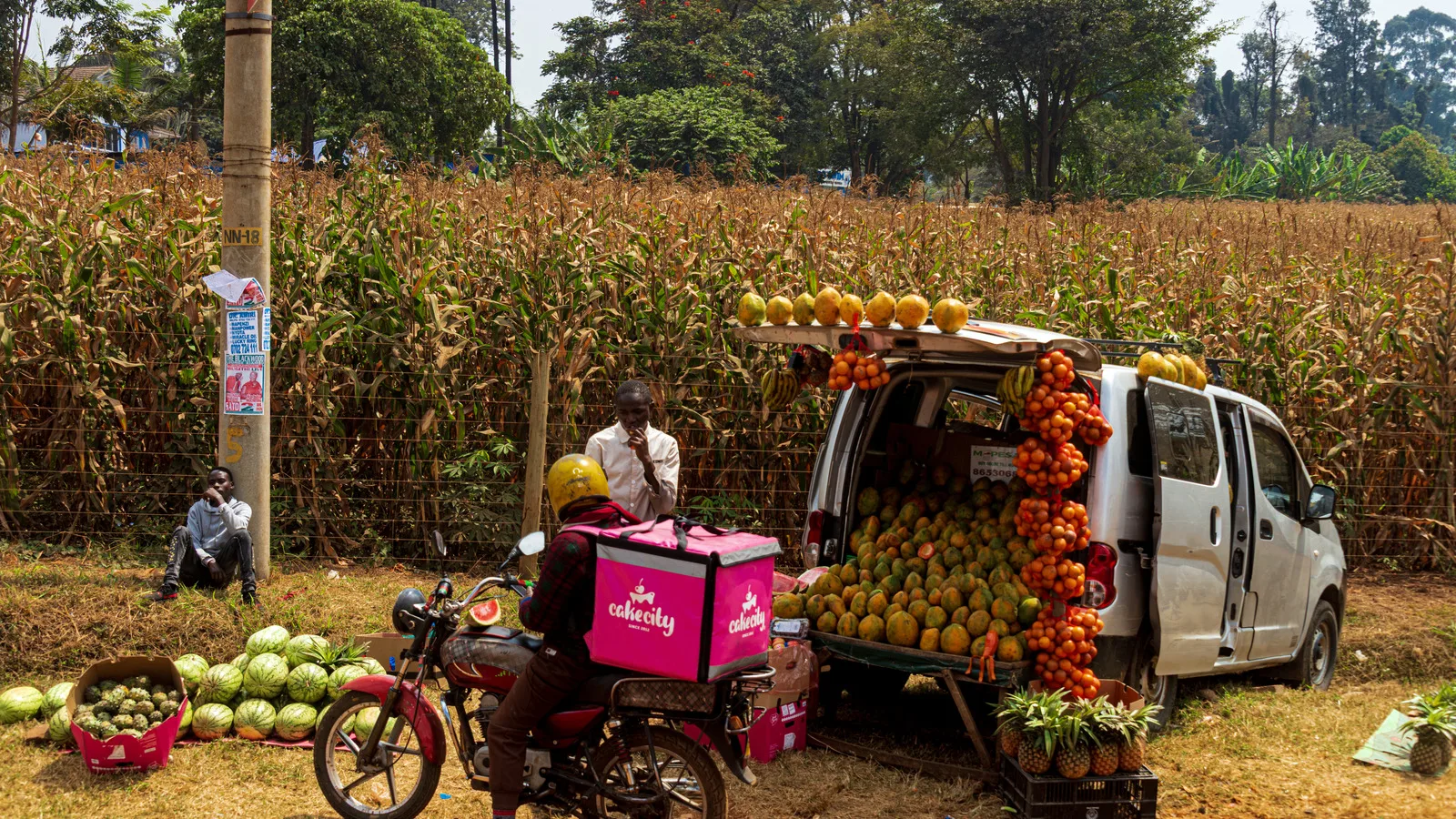
Credit Daniel Case, CC BY-SA 4.0, via Wikimedia Commons
Last reviewed 16 August 2026
Kenya is a country where the honest safety answer is geographic. Most of what a visitor comes for sits in the part of the country both governments treat as ordinary, and there are areas they tell you not to go to at all. Knowing which is which is most of the work.
The headline
The United States places Kenya at Level 2, Exercise Increased Caution, citing crime, kidnapping, terrorism, unrest, health and traffic safety, and adds that some areas carry increased risk. The United Kingdom advises against all travel to several named areas and against all but essential travel to others, while offering ordinary advice for the rest.
Read that as it is meant: a broadly manageable country with specific regions that are not, rather than a uniform level of risk you can average out.
Where the UK advises against all travel
⚠️ That last exemption is the one visitors most need and most often see reported wrongly. Lamu Old Town, the World Heritage site, is on Lamu Island, which is explicitly carved out of the advice. The mainland of Lamu County is not. A blog that tells you Lamu is off limits, and one that does not mention the advisory at all, are both wrong.
- Mandera County
- Tarbaj and Wajir East constituencies in Wajir County, except Wajir Town
- Areas of Wajir County within 60km of the Somalia border
- Garissa County, except Garissa Town, Lagdera constituency and part of Balambala constituency
- Lamu County, EXCEPT Lamu Island and Manda Island
Where it advises against all but essential travel
Travel insurance is commonly invalidated by traveling against your own government’s advice, which is a practical reason to read it even if you disagree with it.
- Garissa Town
- Tana River County north of the Tana River, as far as the town of Saka
- Within 15km of the east coast between the Tana River and the Galana river
Terrorism, stated plainly
The UK assesses that terrorists are very likely to try to carry out attacks in Kenya. The main threat comes from Al Shabaab, an Al Qaida affiliated group based in Somalia, and is connected to Kenyan military involvement there. Past attacks have included a hotel and office complex in Nairobi in 2019 and a military airstrip in Lamu County in 2020.
What that means in practice is not avoidance but ordinary awareness in the kinds of places named in the advice: hotels, restaurants, shopping centers, places of worship and large gatherings. Note the security arrangements where you stay. It is a real assessment and it is not a reason on its own to cancel a trip to Nairobi or the Mara.
The everyday risks, which are the likely ones
For most visitors the realistic concern is crime rather than terrorism: bags and phones taken in crowds and in stopped traffic, theft from rooms, and robbery after dark. Nairobi’s central business district and the areas around bus stations warrant more care at night than a European city would.
Carry what you need and leave the rest where it lives. Keep phones out of sight in traffic. Use ride hailing or a known driver after dark rather than walking. Demonstrations happen, are sometimes policed forcefully, and are to be avoided rather than observed. And road traffic, statistically, is the thing most likely to hurt you.
Health and emergency
Start the vaccination conversation with a travel clinic at least eight weeks out. Nairobi has good private hospitals; remote areas do not, which is what the evacuation cover is for.
- Emergency services: dial 999
- Malaria is present in much of the country, though not usually in central Nairobi at altitude
- Dengue, Zika, schistosomiasis and mpox are named in current health advice
- Altitude sickness is a genuine risk in parts of Kenya, including on Mount Kenya
- Do not swim or paddle in fresh water without local advice, because of schistosomiasis
- Insurance that genuinely covers medical evacuation is not an optional extra