Madagascar Currency and Money Guide
- Country Madagascar
- Guide Budget
- Reviewed 19 August 2026
- Length 2 min read
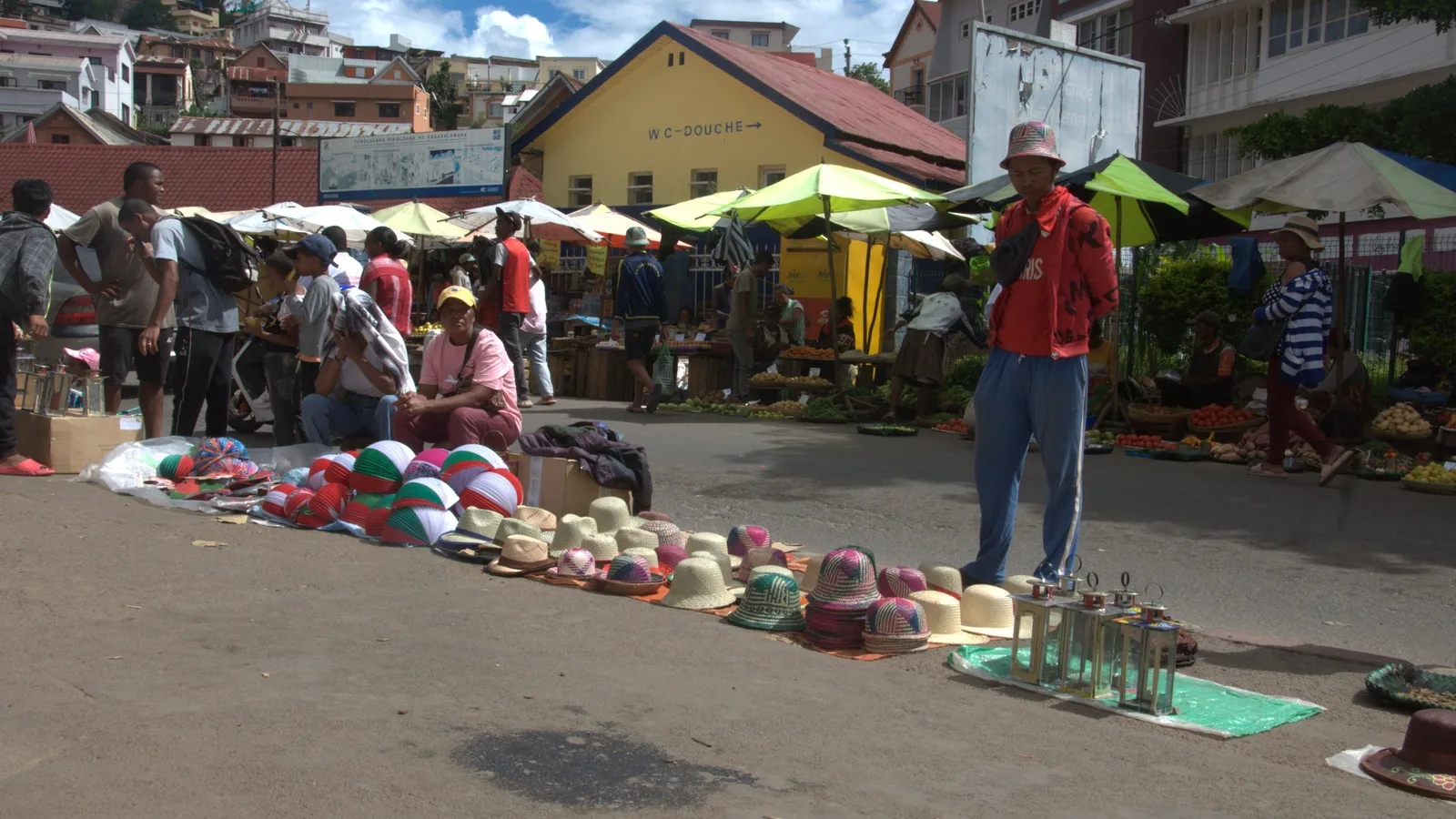
Credit Hopeandlink, CC BY-SA 4.0, via Wikimedia Commons
Last reviewed 19 August 2026
Madagascar uses the ariary, issued by Banky Foiben'i Madagasikara, the central bank. It is one of only two currencies in the world not based on tens, being divided into five iraimbilanja, which is a piece of trivia and also a hint: this is a currency with its own logic and its own habits.
The practical habit is cash. Cards work in the larger hotels in Antananarivo and in very little else.
Bring hard currency, change it properly
Euros are the most useful currency to arrive with, with United States dollars a close second, and both are accepted for the airport visa. Change money at a bank or a licensed bureau in town, keep the receipt, and do not change money in the street.
Cash machines exist in Antananarivo and the larger towns. They are useful and they are not a plan: withdrawal limits are low, the machines run out, and network outages are ordinary. Draw money when you are somewhere that has it, rather than when you need it.
A working approach to money
- Arrive with euros or United States dollars in clean notes.
- Change at a bank or a licensed bureau and keep the receipt.
- Expect a thick wallet. The largest notes are worth less than a visitor assumes.
- Carry small notes for taxis, markets, park fees and tips.
- Draw cash in the towns before heading for the parks or the coast.
- Keep an emergency reserve in hard currency, separate from the rest.
Park fees, guides and tipping
The national parks charge an entry fee and require a local guide, and both are usually payable in cash at the gate. Guiding is a licensed job here and the guide is not optional; nor should they be, since almost nothing in a Malagasy rainforest is visible to an untrained eye at night.
Tip the guide at the end, in ariary, and tip the porters and drivers separately rather than handing one person a lump sum to distribute. Ask your lodge what is customary rather than guessing upward, which distorts prices for everybody who comes after you.