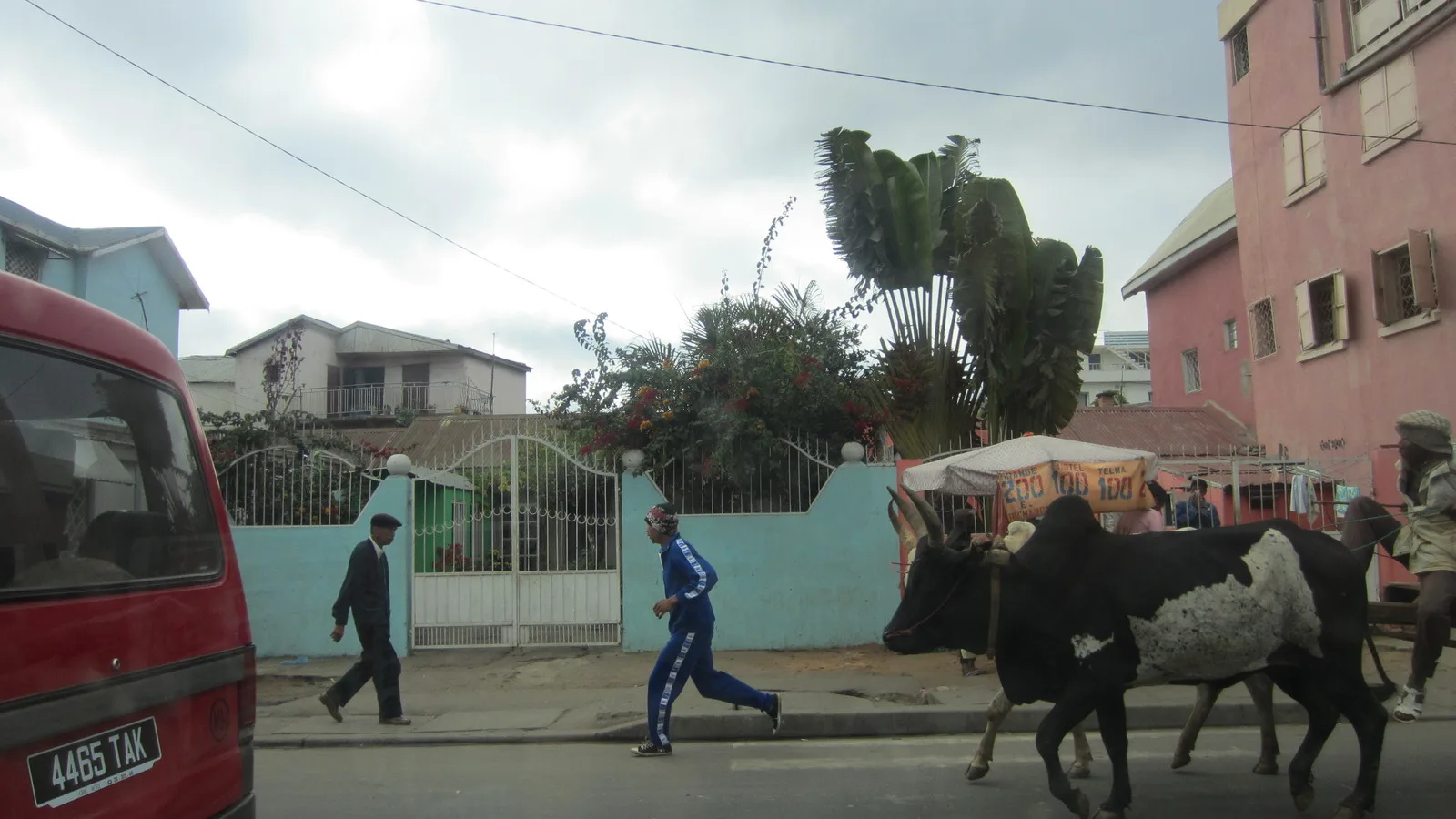
Madagascar Travel Safety Guide
- Country Madagascar
- Guide Safety
- Reviewed 19 August 2026
- Length 2 min read
Credit Lukys, CC BY-SA 3.0, via Wikimedia Commons
Last reviewed 19 August 2026
Madagascar asks more of a traveler than most destinations on this site, and pretending otherwise would not be a kindness. Robberies and thefts are commonplace across the country, violent robbery happens in daylight as well as at night, and isolated beaches are named specifically as places where it happens to people walking alone.
None of that makes the country unvisitable. A great many people travel here every year without incident. It does mean the ordinary precautions are not optional here in the way they can be elsewhere.
Everyday precautions
- Do not walk alone on isolated beaches or remote paths.
- Do not travel between towns after dark.
- Carry your passport, because police make random identity checks.
- Ask for identification if you are stopped. People have impersonated police.
- Keep valuables out of sight and carry only what you need for the day.
- Report any incident to the police and take a copy of the report for insurance.
Demonstrations
Political demonstrations occur and can turn violent, and the FCDO records a period of significant protest in Antananarivo and elsewhere that included violence and looting. Avoid large gatherings, leave an area where one is forming rather than watching it, and follow local news while you are in the country.
Cyclones
The cyclone season normally runs from November to April, and Madagascar is hit harder and more often than its neighbors. Roads wash out, bridges go, and inland regions can be cut off for days after a storm rather than hours. Monitor the World Meteorological Organization warnings and local forecasts, and if you are traveling in the season, build spare days into the itinerary and insure for delay.
Health, and the numbers to have
For an ambulance, call 117 from a mobile or 17 from a landline. Medical facilities outside Antananarivo are limited, and serious treatment usually means evacuation, which is expensive and is the reason insurance with repatriation cover is not a formality here.
Tap water is unsafe: drink and use boiled or bottled water and avoid ice. Malaria is present across the island, so take medical advice on prophylaxis at least eight weeks before you fly and use repellent and a net. Plague is endemic in parts of the highlands and cases occur seasonally; the risk to a visitor is low, and TravelHealthPro is the place to read the current position rather than a news article.
Contact your insurer quickly if you are referred anywhere for treatment. The FCDO maintains a list of medical providers where some staff speak English.