Malawi Currency and Money Guide
- Country Malawi
- Guide Budget
- Reviewed 19 August 2026
- Length 2 min read
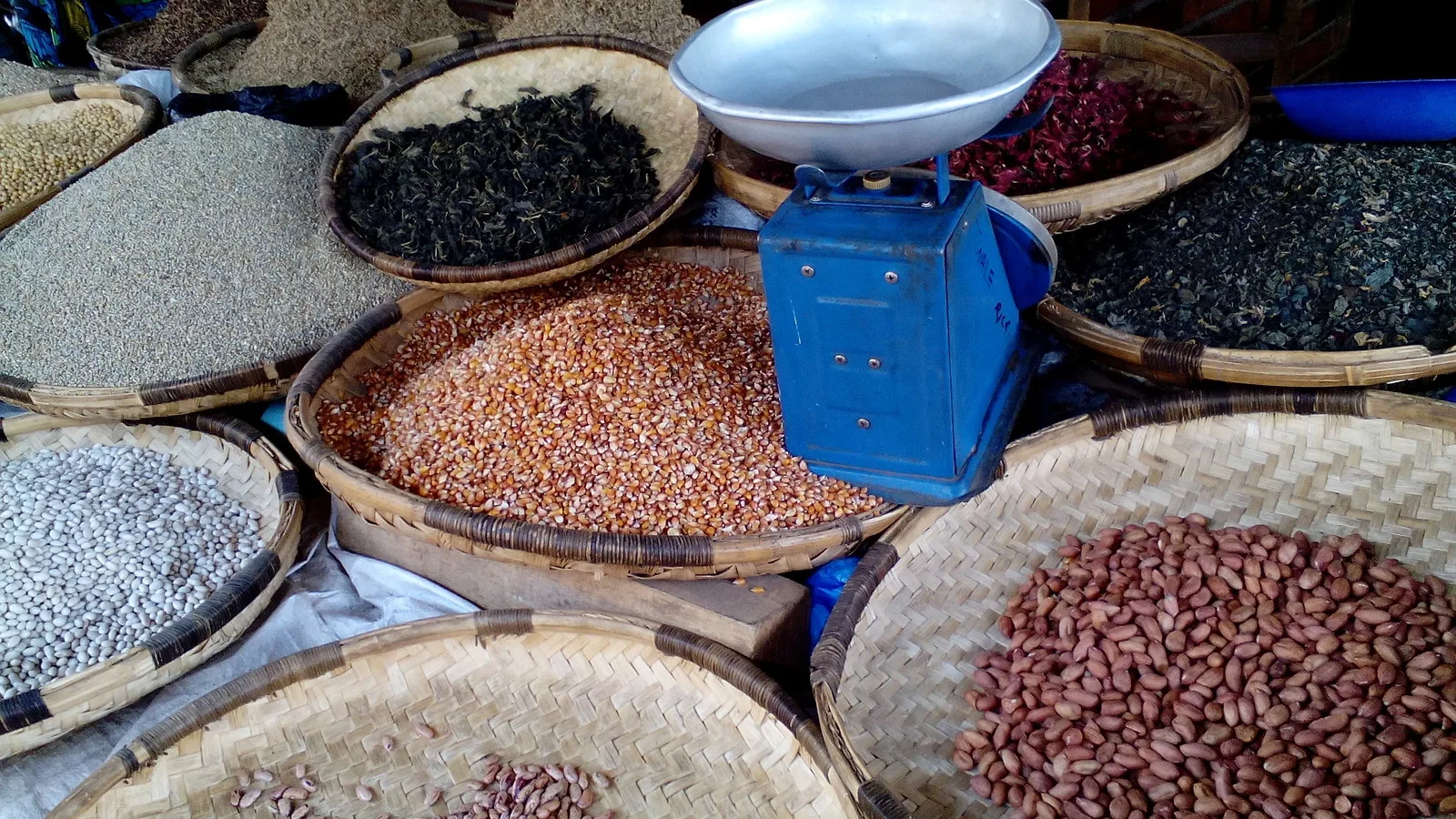
Credit Michaelphoya, CC BY-SA 4.0, via Wikimedia Commons
Last reviewed 19 August 2026
Malawi runs on the kwacha, issued by the Reserve Bank of Malawi, and it runs on cash to a degree that surprises people arriving from countries where a card works everywhere. Lodges and the larger hotels will take a card. A market stall, a minibus conductor, a park gate in the north and most of the places you actually want to spend money will not.
Bring dollars, change them properly
United States dollars are the practical currency to arrive with, partly because the visa fee is charged in them and partly because they change everywhere. Change money at a bank or a licensed bureau, keep the receipt, and do not change money in the street however good the rate sounds.
Cash machines exist in Lilongwe, Blantyre and the larger towns, and they are useful rather than reliable. Withdrawal limits are low, machines run out of notes, and a network outage is not unusual. Treat an ATM as a way of topping up rather than as your source of money for a trip.
A working approach to money
- Arrive with United States dollars in cash, in clean notes, for the visa and the first few days.
- Change money at a bank or a licensed bureau and keep the receipt.
- Carry small kwacha notes. Change for a large note is often genuinely unavailable.
- Expect to pay cash for transport, markets, park fees and anything outside a hotel.
- Tell your bank you are traveling, and do not rely on a single card.
- Keep some dollars back for the departure, separately from the rest.
Tipping, and what things cost
Tipping is normal and modest. Rounding up in a restaurant, a note for a guide at the end of a day, something for the crew if you take the lake ferry. Nothing here is obligatory and nothing is expected at the scale a visitor from North America might assume.
This guide quotes no exchange rate, deliberately. A rate printed today is wrong within a month and misleadingly precise the whole time. The Reserve Bank publishes the current position, and a bank counter in Lilongwe will tell you what you will actually get.