Malawi Travel Safety Guide
- Country Malawi
- Guide Safety
- Reviewed 19 August 2026
- Length 3 min read
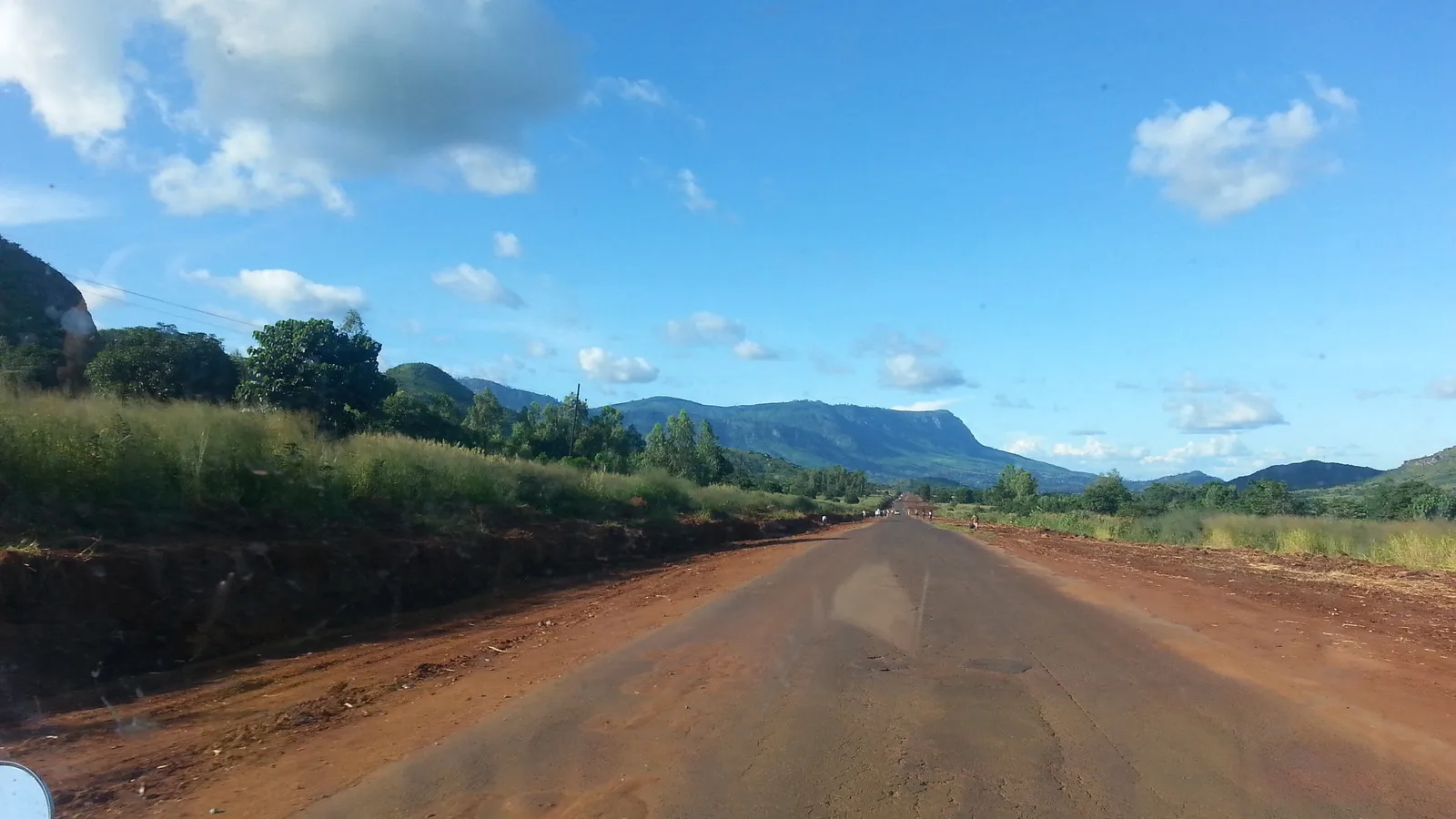
Credit Felefuchs, CC BY-SA 3.0, via Wikimedia Commons
Last reviewed 19 August 2026
Malawi has a reputation for friendliness that is largely deserved and occasionally does visitors a disservice, because it can persuade them that ordinary precautions are unnecessary. The realistic picture is that violent crime against travelers is uncommon, opportunistic theft is not, and the roads are more dangerous than anything else you will meet.
Theft, and where it happens
Mugging and bag snatching happen, and most thefts from tourists take place around the main bus stations in the towns. That is a useful piece of specificity: it tells you where to stop looking at your phone. Do not walk in quiet areas after dark, leave valuables and cash in a hotel safe where there is one, and keep copies of your documents somewhere separate from the documents.
Be wary of over friendly approaches from people offering to guide you, selling something, or claiming to know you and asking for a lift. People have also been robbed after being given drugged food or drink, so do not accept either from a stranger.
Burglary, and one specific warning
There is a risk of burglary and violent assault, including by armed gangs, and there has been an increase in break-ins in Lilongwe, Blantyre and Limbe that has included assaults on the residents. If you are staying somewhere self catering rather than in a hotel, look at the security arrangements the way you would at home.
Kidnapping for ransom is reported occasionally. It is generally financially motivated, British nationals have been among those taken, and people who appear wealthy are at higher risk.
Sensible precautions
- Do not travel by road after dark.
- Keep your phone out of sight around bus stations and markets.
- Carry a copy of your passport and visa. Police do ask for identification.
- Do not accept food or drink from strangers.
- Leave valuables in a safe and carry only what you need for the day.
- Get security advice from the Mountain Club of Malawi before climbing Mulanje.
- Take out insurance that covers medical evacuation, not only treatment.
Health, and the number to call
The emergency medical number is 998, and the FCDO states plainly that emergency numbers in Malawi are unreliable. That is the single most important sentence on this page. It means the plan cannot be to call an ambulance: it has to be insurance that covers evacuation, a hotel or lodge that knows where the nearest usable facility is, and a phone that works.
Malaria is present throughout the country. Cholera outbreaks recur in the rainy season and Malawi has recently experienced the largest in its history. Tap water may not be safe, particularly in rural areas. Altitude sickness is a genuine risk on the higher ground, which is not obvious in a country most people picture as a lake. Start the vaccination conversation at least eight weeks before you travel.
The law
Same-sex sexual activity is illegal in Malawi and may result in a custodial sentence. Malawi is a socially conservative society and public displays of affection may attract unwanted and negative attention. That is the law and the social reality as the FCDO records them, stated here in full and once, so that a reader has the information rather than a hint of it.
Penalties for drug offenses, cannabis included, can be severe. It is illegal to buy uncut precious gemstones, and illegal to trade in the parts of protected wild animals.