Mauritius Currency and Money Guide
- Country Mauritius
- Guide Budget
- Reviewed 19 August 2026
- Length 2 min read
Credit Karsten Ratzke, CC0, via Wikimedia Commons
Last reviewed 19 August 2026
Mauritius runs on the rupee, issued by the Bank of Mauritius, and it is one of the few destinations covered on this site where a card genuinely works. Hotels, restaurants, supermarkets, petrol stations and most shops take one. That is a real difference from the mainland, and it changes how much cash you need to carry rather than whether you need any at all.
Where cash still wins
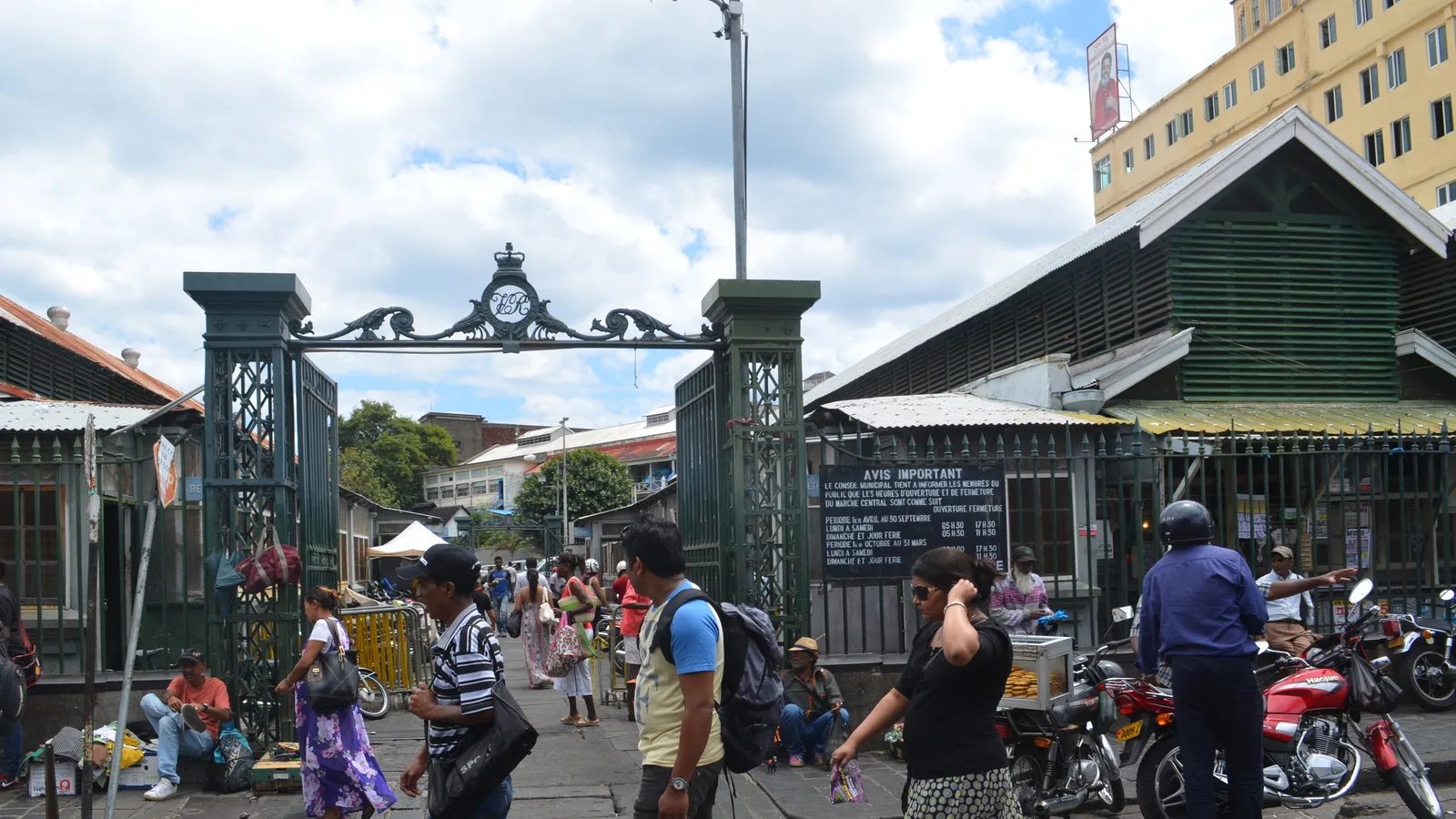
The central market in Port Louis, the roadside stalls, the bus, the taxi, the small guest house and the man selling pineapple by the beach all want notes. So do the temples that ask for a small offering, and so does anyone doing you a favor you would like to thank. Carry enough for a day and top up as you go.
Cash machines are common and reliable in the towns and along the tourist coast, less so inland. Change money at a bank or a licensed bureau, not at a hotel desk if you can avoid it, and keep the receipt.
A working approach to money
- Bring a card and expect it to work in most formal places.
- Carry small rupee notes for the market, buses, taxis and offerings.
- Use bank and airport bureaux rather than informal changers.
- Tell your bank you are traveling, and carry a second card separately.
- Keep an emergency reserve in cash somewhere other than your wallet.
- Ask whether service is already included before adding a tip.
Tipping, and how it actually works
Tipping is welcome and is not compulsory. Many restaurants add a service charge, and where they do, an extra ten percent is generous rather than expected. Where they do not, rounding up is normal. Drivers and guides are usually tipped at the end of a day rather than each time.
The one thing worth avoiding is tipping in foreign notes. It looks generous and it hands the recipient a trip to a bureau and a poor rate.