Mauritius Travel Safety Guide
- Country Mauritius
- Guide Safety
- Reviewed 19 August 2026
- Length 2 min read
Credit Simisa, CC BY-SA 3.0, via Wikimedia Commons
Last reviewed 19 August 2026
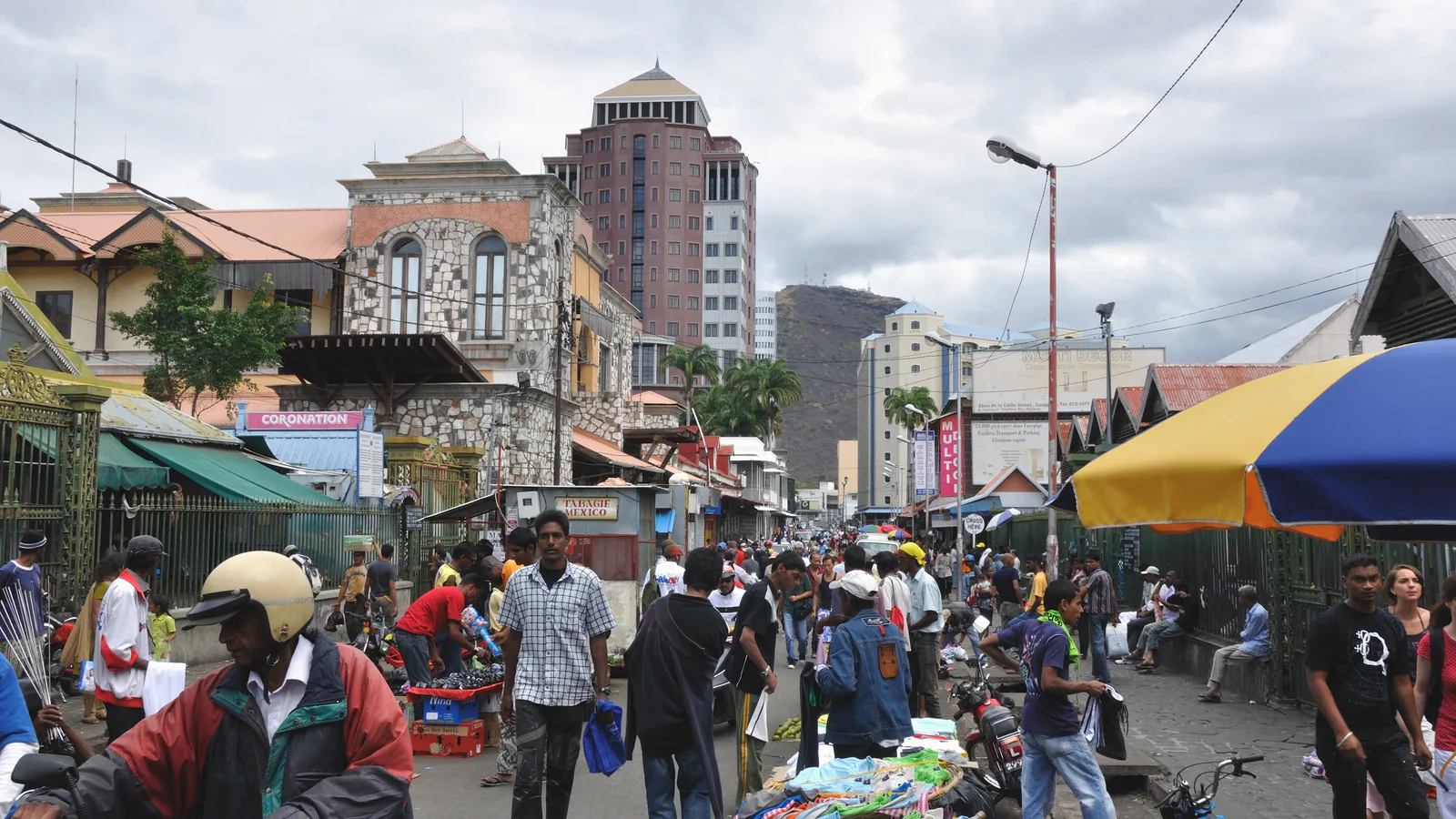
Mauritius is one of the safer destinations on this site, and saying so is not the same as saying nothing goes wrong. Most crime is non-violent and opportunist: burglaries from villas rented by tourists, and bags taken when they are put down. Petty theft is common in the places visitors concentrate, which means Port Louis, Grand Baie and Flic en Flac.
The countermeasures are unremarkable and they work. Lock the villa. Do not put the bag down.
Everyday precautions
- Lock doors and windows in rented accommodation, including when you are inside.
- Keep bags on you rather than beside you, particularly on a beach.
- Use a hotel safe for a passport and for anything you cannot replace.
- Take a taxi after dark rather than walking an unfamiliar road.
- Keep a photograph of your passport somewhere other than your phone.
- Carry travel insurance that covers medical treatment and evacuation.
Cyclones, and what they mean in practice
The tropical cyclone season runs from November to May. A cyclone is not a rain shower: damage to property is extensive, landslides happen on the steeper ground, and during a cyclone you are not allowed to leave your accommodation. Car insurance often stops applying at the same moment.
Follow the Mauritian government information service rather than a weather app, and take the class warnings seriously the first time. If you are traveling in the season, build a spare day into the plan and buy the insurance that covers a delay.
Drugs, and the law
Penalties for possessing, using or smuggling illegal drugs, cannabis included, are severe. Expect a long sentence and heavy fines, expect the same treatment if you are only transiting through the airport, and expect not to be granted bail. This is stated flatly because it is stated flatly by the FCDO, and because the airport is the place it usually goes wrong.
LGBT+ travelers
Same-sex relationships are not criminalized in Mauritius. The FCDO describes a relatively conservative society in which local attitudes vary across the country, and in which LGBT+ people still face discrimination, with verbal and physical confrontation not something that can be ruled out.
That is the position as the British government records it, and it is set out here as information rather than as advice about who should travel where.
Health, and the numbers to have
For an ambulance, call 999 or 114. Private clinics in the north and the center are the ones most visitors are taken to, and they expect payment or an insurer's guarantee at the point of treatment, which is the practical reason to carry insurance rather than the theoretical one.
Dengue is present and is carried by a mosquito that bites in daylight, so repellent is a daytime habit here rather than an evening one. Check the vaccination advice at least eight weeks before you fly, and take the standard care with food and water outside the hotels. Contact your insurer quickly if you are referred anywhere for treatment.