Morocco Currency and Money Guide
- Country Morocco
- Guide Budget
- Reviewed 19 August 2026
- Length 2 min read
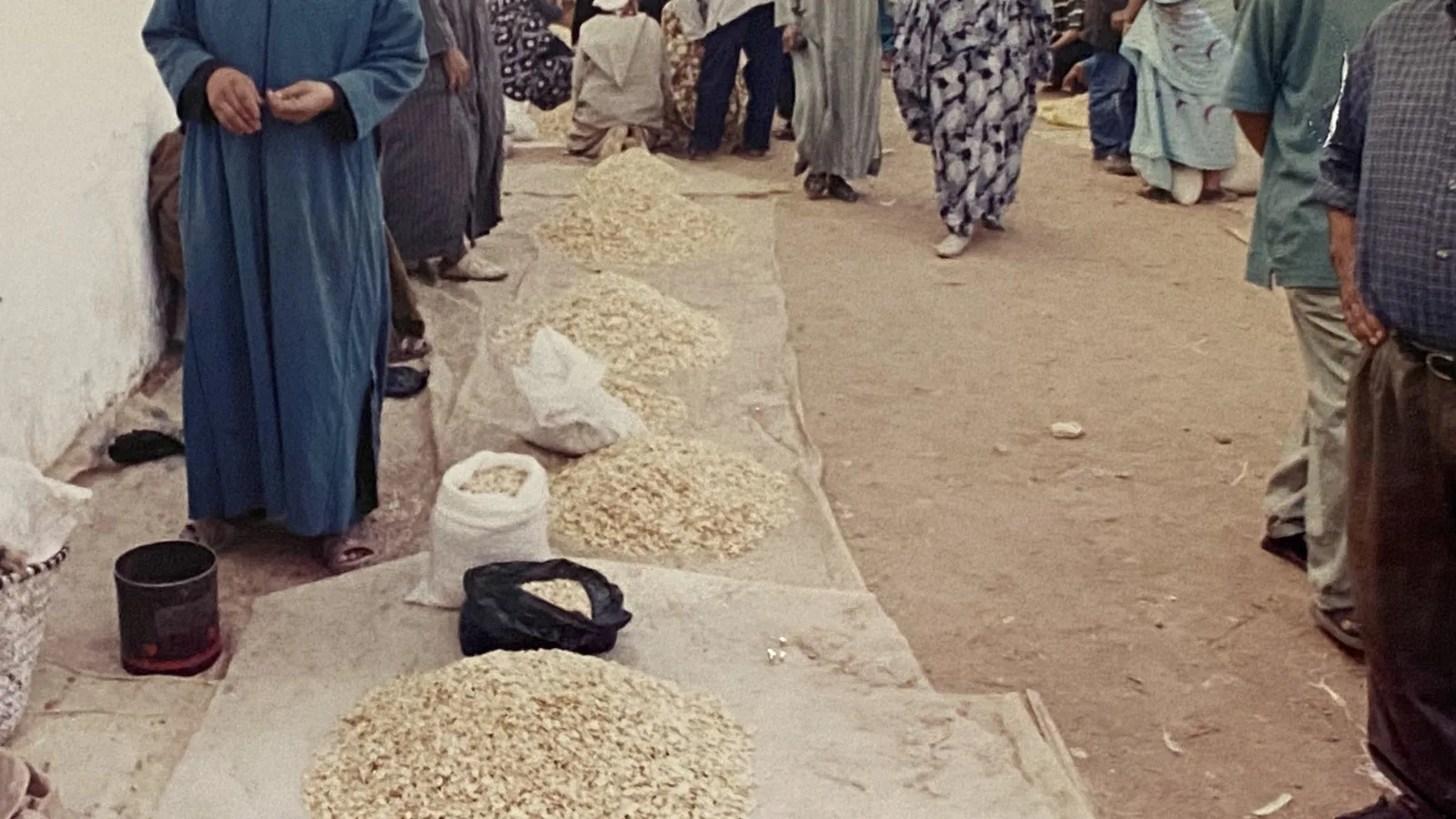
Credit Abdellah Moukal, CC BY-SA 4.0, via Wikimedia Commons
Last reviewed 19 August 2026
Morocco uses the dirham, and the dirham is what economists call a closed or non-convertible currency. The FCDO puts it plainly: it cannot easily be exchanged outside Morocco for other currencies. That single fact governs almost everything else on this page.
What a closed currency means in practice
You will not find dirhams at your home airport, and if you do find them the rate will be poor. You get them in Morocco, from a bank, a licensed bureau de change or an ATM. That means arriving with a means of payment that works at the airport, and it means not saving the exchange until you are already in a taxi queue.
It also means the trip ends with a small piece of admin. Change what you have left back before you fly, keep the receipts, and do not plan to spend the last of it in the departure lounge. This publication does not print an exchange rate for Morocco anywhere, because a rate you read weeks before departure is not a rate you can use on arrival.
The rules that carry a penalty
The declaration threshold is a legal obligation rather than a guideline, and it applies in both directions.
- Declare foreign currency worth 100,000 dirham or more, roughly eight thousand pounds, when you enter or leave.
- Keep exchange receipts. They are your evidence of where the money came from.
- Do not accept torn or suspect notes as change. Passing fraudulent banknotes carries significant prison sentences.
- Do not write on, tear or otherwise deface a banknote. Defacing Moroccan currency is a criminal offense punishable by imprisonment.
- Use banks, licensed bureaux and ATMs. Street exchange is not a saving.
Cards, cash and the medina
Cards work in hotels, larger restaurants, supermarkets and chain stores. They do not work in most of the places worth going. A stall in the souk, a grand taxi, a rural argan cooperative and a hammam are all cash, and small notes matter more than a large balance: nobody at a spice stall wants to break a two hundred dirham note first thing in the morning.
Credit card fraud and card scams are common enough that the FCDO names them specifically, along with sellers substituting inferior goods for the ones you agreed to buy. Watch the card, watch the goods being wrapped, and treat an unusually helpful stranger at an ATM as what he is.