Morocco Travel Safety Guide
- Country Morocco
- Guide Safety
- Reviewed 19 August 2026
- Length 3 min read
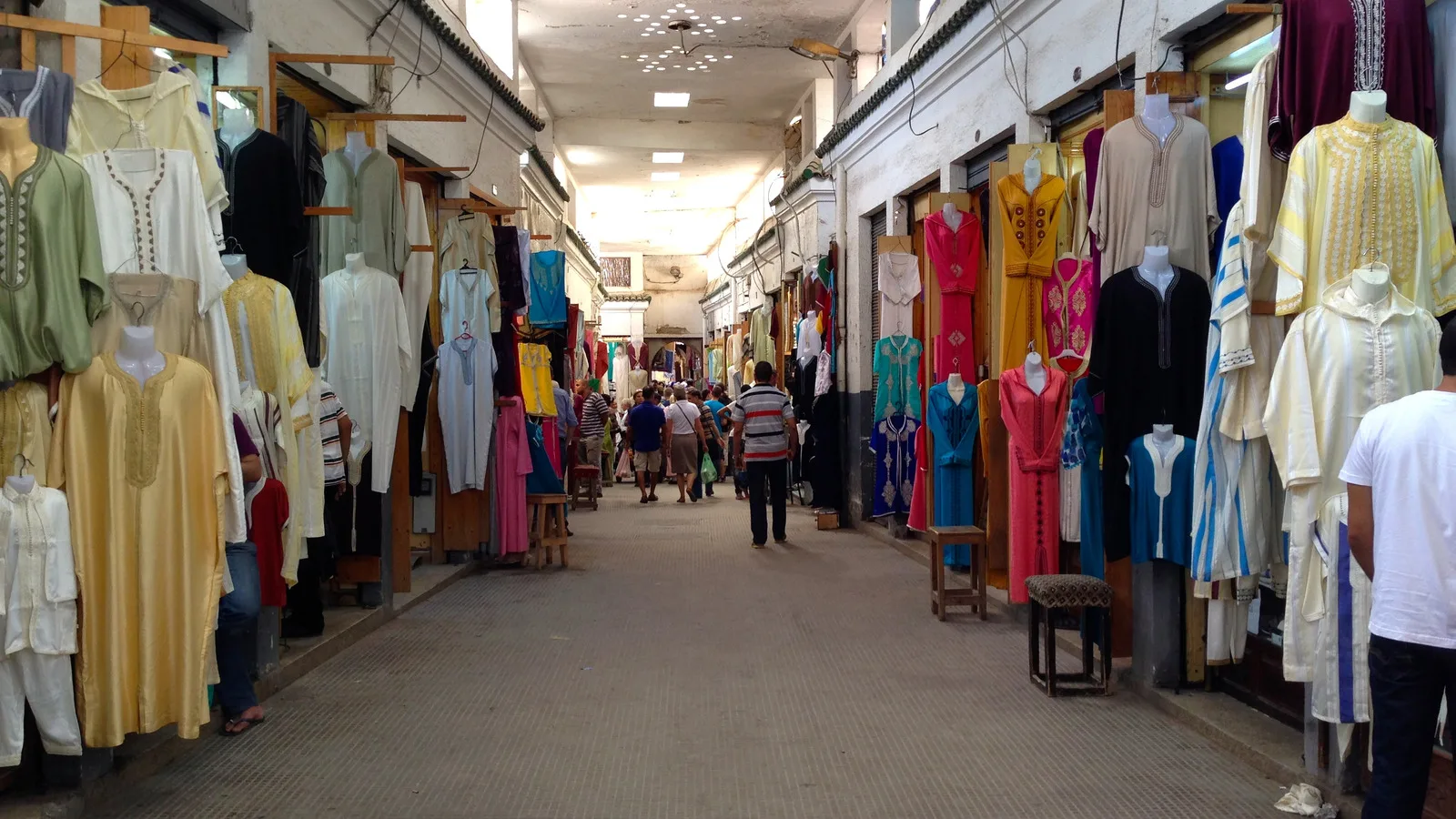
Credit Andrew Nash from Vienna, Austria, CC BY-SA 2.0, via Wikimedia Commons
Last reviewed 19 August 2026
Morocco is among the more straightforward African countries to travel in, and the honest summary is that most visitors have no trouble beyond an argument about a price. The United States places it at Level 2, Exercise Increased Caution, on account of terrorism, and unlike its neighbor Tunisia it names no region at all as Do Not Travel.
That does not make the page short. The things worth knowing here are less about danger than about difference: what is a crime in Morocco that is not one at home, and which of the people approaching you in a medina are doing a job.
Guides, real and otherwise
It is common for people posing as official guides to attach themselves to visitors in the medinas, and the pressure can be persistent. A genuine guide carries an official badge and has permission from the local authority, and asking to see it is normal rather than rude. The same applies to anyone who tells you the way you are walking is closed, that the tannery is shut, or that a festival is happening somewhere you had not planned to go.
Credit card fraud is common. So is the substitution of inferior goods for the ones you chose and watched being wrapped. Neither is dangerous and both are avoidable by paying attention at the moment of the transaction rather than afterward.
Laws that differ from home
These are stated here as law, which is what they are. This publication does not tell anyone where they should or should not travel.
- Same-sex sexual relations are illegal in Morocco, and public displays of affection can lead to prosecution.
- Morocco has a zero tolerance approach to drugs, cannabis included. Expect a long jail sentence and heavy fines, including if you are only transiting.
- Flying a drone requires permission from the Directorate General for Civil Aviation. Without it you risk fines and confiscation.
- Respect for religious practice is expected, and particularly so during Ramadan.
- Photographing people, and especially people at work or at prayer, requires asking first.
Health, and what to arrange before you go
Public health facilities in Morocco provide limited medical care and private clinics operate to a higher standard, which means the practical requirement is insurance that covers private treatment and repatriation, with funds you can actually reach. The emergency number for an ambulance is 150.
Start vaccinations at least eight weeks before departure. Hepatitis A and tetanus cover is recommended for most travelers, and there is no yellow fever certificate requirement under the International Health Regulations for Morocco. Rabies is present and stray dogs gather in packs in parks and quieter areas of many towns, so do not approach or feed them, and treat any bite or scratch as needing medical attention immediately rather than at the end of the trip. Pharmacies are open around the clock in every city and district, which makes minor problems easy to solve, but bring enough of your own prescription medication for the whole trip because travelers have struggled to source it locally.
Two smaller ones worth knowing. Henna tattoos can cause a painful allergic reaction with swelling and an itchy rash. And there have been deaths and cases of serious illness in Morocco caused by drinks containing methanol, which cannot be identified by taste or smell.