Nigeria Currency and Money Guide
- Country Nigeria
- Guide Budget
- Reviewed 20 August 2026
- Length 3 min read
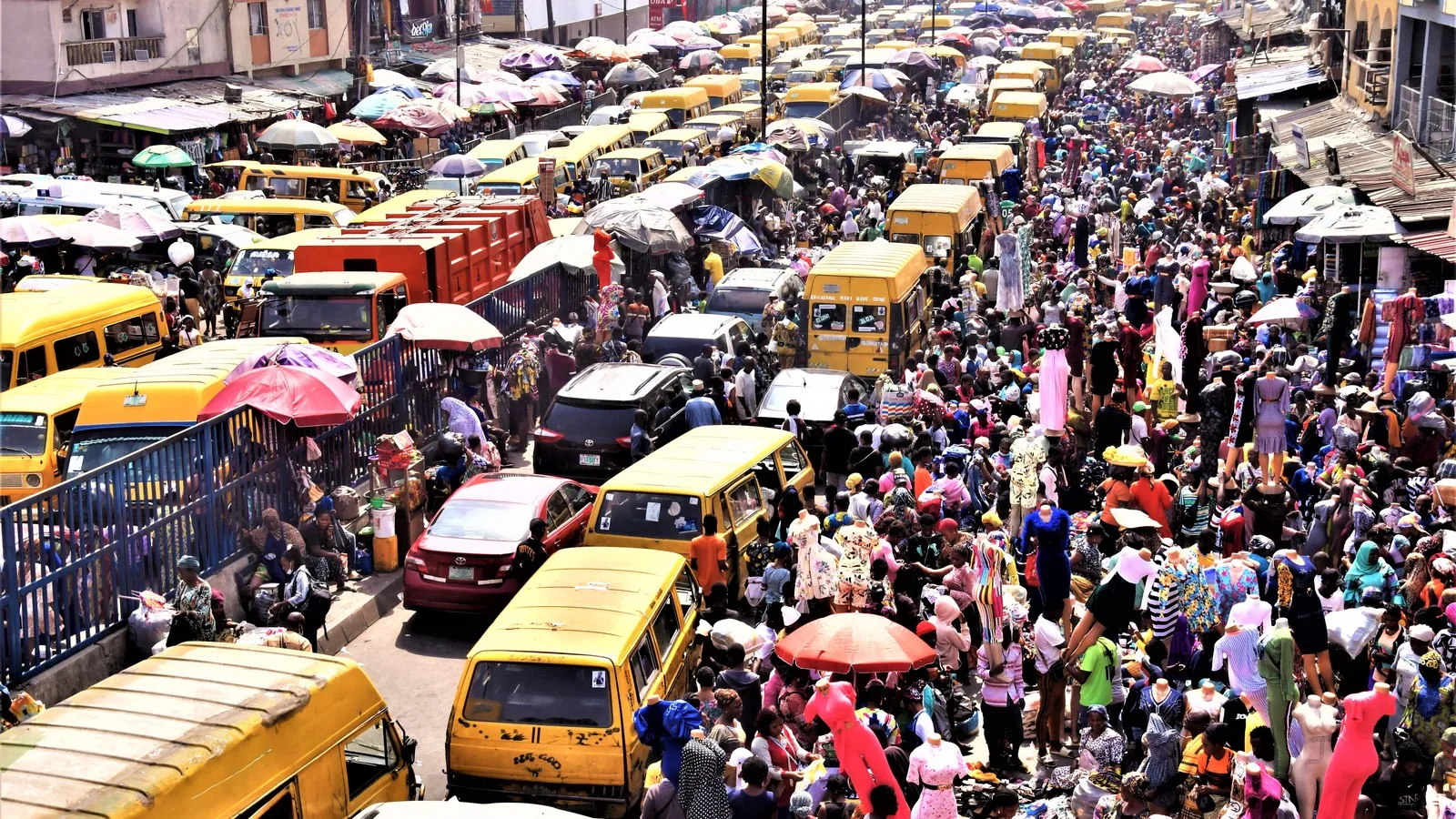
Credit Sir Demo, CC BY-SA 4.0, via Wikimedia Commons
Last reviewed 20 August 2026
The UK government publishes no separate money page for Nigeria: that address returns the general advisory. So this guide covers what the advice does say about money, which is mostly about how it goes wrong.
Cards and scams
Credit card fraud is common. The FCDO advice is specific and easy to follow: keep your card within sight when you are paying a bill.
It also records that British nationals are increasingly targeted by scammers operating in West Africa, in many forms, including romance and friendship, business ventures, and offers of work or employment. Be cautious about requests for funds, job offers, business ventures and face to face meetings with anyone you have only met online.
The Central Bank of Nigeria is the issuing authority and the place to check an official rate.
Withdrawing cash
The FCDO records that areas around banks and ATMs have seen a spike in criminal activity, and advises extra precautions when withdrawing cash, especially at night.
The general safety advice is not to carry large amounts of cash or to wear expensive jewelry. Taken together with the note about ATMs, the practical shape is to draw money in daylight, at a bank rather than a street machine where you can, and to carry as little as the day needs.
The scam that is aimed at families abroad
Two of the FCDO's warnings are aimed squarely at people with relatives in Nigeria, which is to say at many of our readers.
If you are emailed about a money transfer to Nigeria for someone you know, contact the person who is supposedly receiving the money. If a caller claims to be in distress, ask whether they have reported the incident to the Consular Section at the British Deputy High Commission in Lagos or the British High Commission in Abuja. And if you receive a suspicious email claiming to come from a British High Commission office in Nigeria, contact that Consular Section directly rather than replying.
The common thread is that the message arrives with a name you recognize attached to it. Verify through a channel the sender did not choose.
Fertility treatment, and a warning worth its own section
This sits in the money guide because it is where the FCDO files it, and because the sums involved are large. It is also the most serious financial warning in the Nigeria advice.
If you are considering fertility treatment in Nigeria, the FCDO advises caution. There have been reports of a number of staged fake births, commonly called miracle babies, in which visitors are falsely led to believe that a birth has taken place. Regulation of the fertility sector, including surrogacy services, is described as weak.
Separately, the UK has restricted overseas adoption of children from Nigeria. If you bring a child who is not biologically related to you into the UK without following the legal procedures, you could face prosecution, and the child may not be eligible for British citizenship.
Anyone planning to bring a baby born through fertility treatment in Nigeria into the UK should check the UK requirements on surrogacy overseas before anything else is arranged.
Practical care
- Keep your card in sight while it is being used.
- Withdraw cash in daylight, and take extra care around banks and ATMs.
- Do not carry large amounts of cash or wear expensive jewelry.
- Treat unsolicited business or romantic approaches involving money as a scam until proved otherwise.
- Verify any request for a money transfer through a channel the sender did not choose.
- Declare anything at customs that may be taxable or dutiable, and read the prohibited import list in the visa guide.