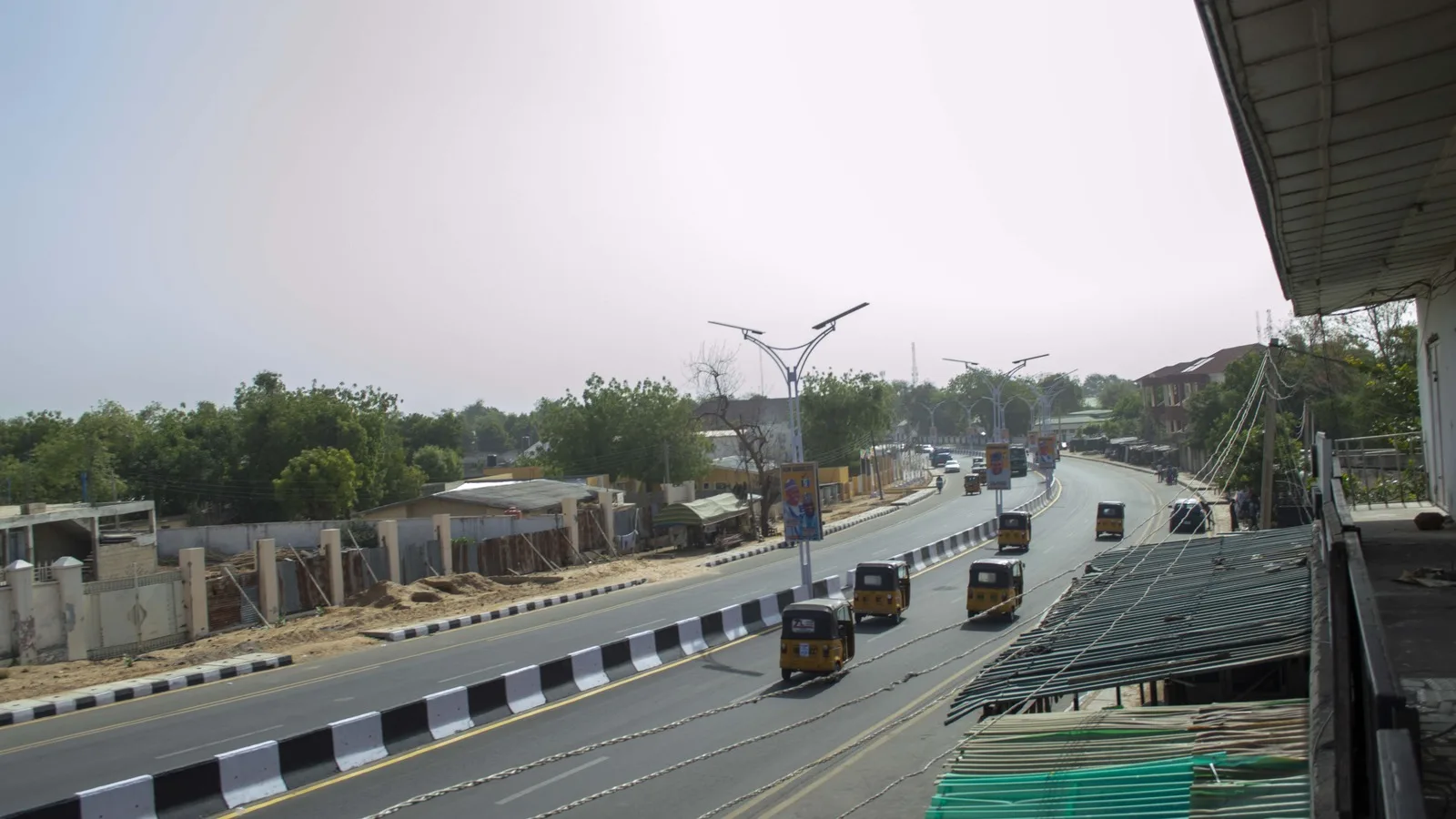
Nigeria Travel Safety Guide
- Country Nigeria
- Guide Safety
- Reviewed 20 August 2026
- Length 3 min read
Credit Aysha Sow, CC BY-SA 4.0, via Wikimedia Commons
Last reviewed 20 August 2026
This is the longest and most important page in this cluster, and it is written to be used rather than skimmed.
The US State Department rates Nigeria Level 3, Reconsider Travel, in an advisory dated 12 June 2026. The FCDO carries two standing warnings on its Nigeria advice at once: against all travel to parts of the country, and against all but essential travel to other parts. Below is which parts, by name, because a reader planning a route needs the list and not a paraphrase of it.
FCDO advises against ALL travel to
- Borno State, Yobe State, Adamawa State and Gombe State, in the north east.
- Katsina State and Zamfara State, in the north west.
- The riverine areas of Delta, Bayelsa, Rivers, Akwa Ibom and Cross River states, meaning the river and swamp locations reachable by boat but not by road.
FCDO advises against all but ESSENTIAL travel to
The FCDO says that insecurity is increasing across Nigeria, and that kidnapping, violent crime and intercommunal violence occur throughout all regions.
- Bauchi state, in the north east.
- Kaduna, Kano, Kebbi, Jigawa and Sokoto states, in the north west.
- Niger, Kogi, Plateau, Taraba, Kwara and Benue states, in north central Nigeria.
- Abia State, Anambra State, Imo State, and the non-riverine areas of Delta, Bayelsa and Rivers states.
Kidnapping, and who is named as a target
The FCDO describes kidnapping as widespread across Nigeria, occurring anywhere, and particularly severe in the north west and high in many central and southern states including the Federal Capital Territory.
Two sentences from that advice deserve to be quoted rather than softened. British nationals are seen as legitimate targets, including tourists, humanitarian aid workers, journalists and business travelers. And: if you are kidnapped, the reason for your presence is unlikely to protect you or secure your safe release.
The FCDO also lists possible targets as including British nationals of Nigerian origin visiting friends and relatives. If you are reading this publication because you are planning a journey of reconnection, that sentence is about you, and we would be doing you no favors by leaving it out.
The law on same-sex activity
Same-sex sexual activity is illegal in Nigeria, with penalties of up to fourteen years in prison. The FCDO records that some northern states observe Sharia law, which can prescribe the death penalty for same-sex sexual activity.
The Same Sex Marriage Prohibition Act provides lengthy prison sentences for anyone involved in same-sex marriages, including those who help arrange or carry out, or even attend, events perceived to be same-sex weddings. It also criminalizes anyone who helps register, organize or participate in gay groups or organizations, or who publicly promotes same-sex relationships.
The FCDO further records an increased risk of violence, attacks, blackmail and intimidation against anyone thought to be part of the LGBT community or to support its rights.
This is stated as the law of the country. It is not advice about who should travel where.
Health, and the number to call
Call 112 to report an emergency.
There is no national ambulance service in Nigeria and hospital-owned services are extremely limited, so you may need to get local advice or arrange local transport to reach care. Insurance that covers medical evacuation is essential rather than prudent.
Nigeria is a malaria country and yellow fever vaccination is a condition of entry. See the packing list.