Rwanda Currency and Money Guide
- Country Rwanda
- Guide Budget
- Reviewed 18 August 2026
- Length 2 min read
Credit Dave Proffer, CC BY 2.0, via Wikimedia Commons
Last reviewed 18 August 2026
Rwanda runs on the Rwandan franc, and increasingly on a phone. The gap between how residents pay for things and how visitors pay for things is wider here than in most of the region, and closing it is easy and worth doing.
The currency
The currency is the Rwandan franc, issued by the National Bank of Rwanda. It is not pegged to another currency and it is not legal tender anywhere else, so unlike the Namibian dollar or the Zambian kwacha there is no neighboring economy where your leftover notes are spendable. Change them or spend them before you go.
This guide does not quote an exchange rate. Any figure printed here would be wrong within weeks and would be believed for years. The central bank publishes the official rate and any bank or bureau will quote you the rate of the day.
Mobile money is the actual payment system
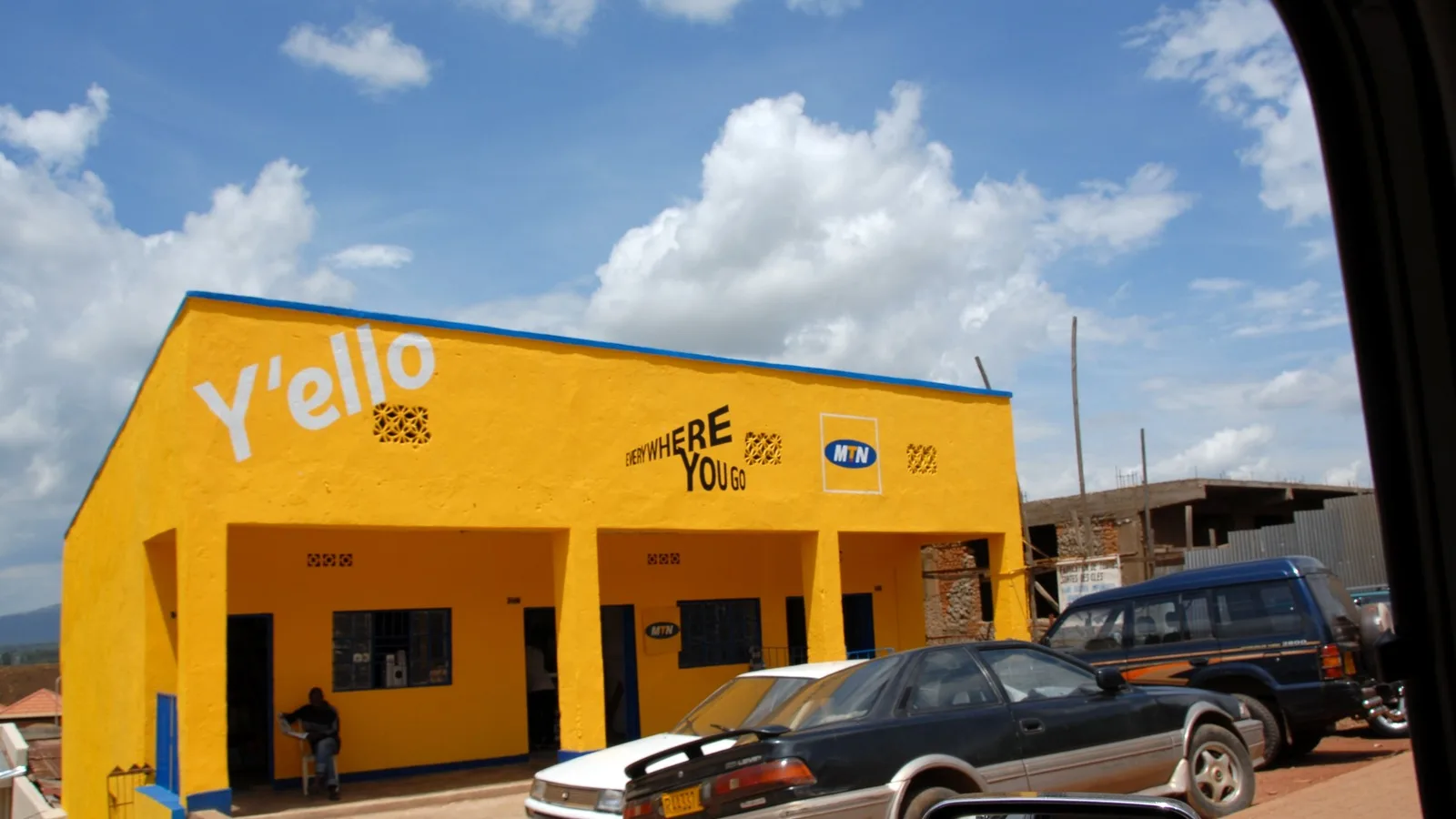
Rwanda is a mobile money economy. Transfers, market stalls, moto fares, utility bills and a great deal of small commerce move through phone based wallets operated by the mobile networks, and the bright shopfronts of the network agents are a feature of every town. For residents this is simply how money works.
Most visitors never use it, pay cash for everything and find that this works. But if you are staying more than a few days, a local SIM and a wallet registered to it removes a lot of friction, and it is the difference between being able to pay a moto fare exactly and always needing change.
Cards, cash and where each stops working
Kigali is comfortable for cards. Hotels, established restaurants, supermarkets and tour operators generally take them. Outside Kigali and away from the parks, assume cash.
Carry more small notes than feels necessary. The recurring problem for visitors is not a shortage of money but a shortage of change: paying a small fare or a market price with a large note is a negotiation nobody wanted.
Park fees and gorilla permits are a separate matter. They are substantial, they are usually arranged in advance through the Rwanda Development Board or through an operator, and they are not a thing to turn up hoping to settle at a gate.
Practical
- Change or spend Rwandan francs before you leave; they are not spendable in the region
- Ask your bank about card use abroad before you travel, not from an ATM lobby
- Carry small denominations for fares, markets and tips
- Arrange park fees and permits in advance rather than at a gate
- Consider a local SIM and mobile wallet if you are staying more than a few days